
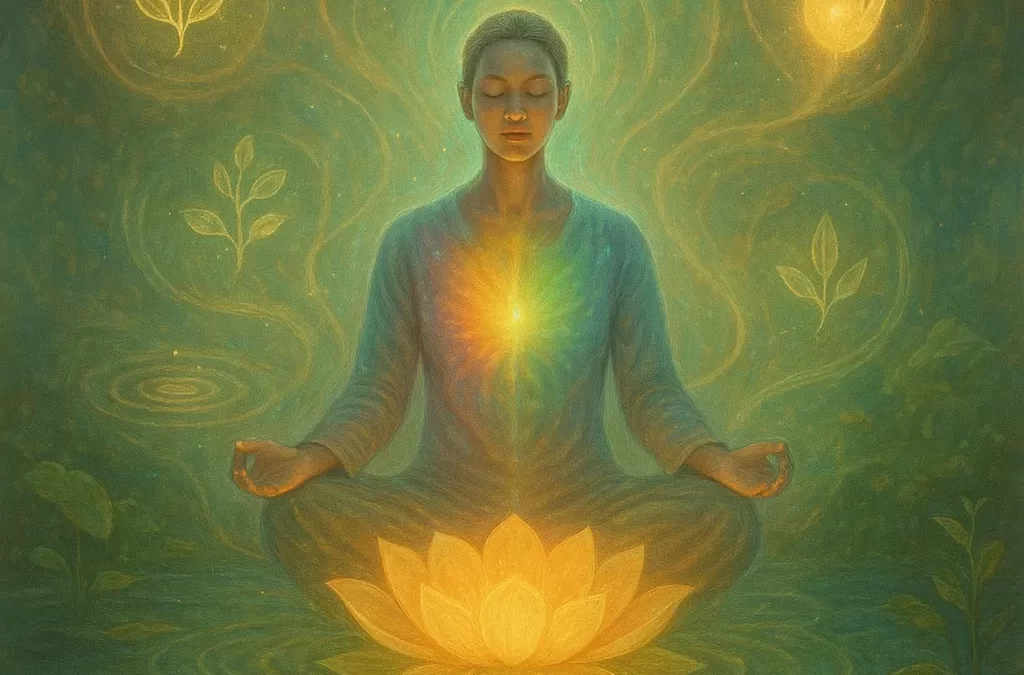
How Does Self Healing Work & What Are Effective Techniques?
How Does Self Healing Work and What Are Some Effective Techniques to Practice It?
Self healing refers to the process by which a person takes active steps to restore their own physical, emotional, or mental well-being, often without direct medical intervention. It works by tapping into the body’s and mind’s natural ability to repair, regulate, and recover, using methods like mindfulness, rest, healthy habits, and positive thinking. People can practice self healing through structured techniques that foster relaxation, self-awareness, and positive lifestyle changes.
What Is Self Healing? (Definition & Core Concepts)
Self healing is the conscious process of activating your body and mind’s innate healing abilities through intentional practices and healthy behaviors. This can involve addressing physical ailments, emotional wounds, or mental stress by using natural and holistic techniques.
What Does It Mean to Heal Yourself?
Healing yourself means making efforts to regain balance, reduce stress or symptoms, and support your overall wellness—often with tools like meditation, journaling, or lifestyle changes—rather than relying solely on external interventions. Self healing is about empowering yourself with proactive strategies for health.
How Does Self Healing Actually Work?
Self healing works by leveraging the body’s homeostasis mechanism and the mind’s adaptability (neuroplasticity) to promote recovery. When you practice techniques like mindfulness or deep breathing, you calm the nervous system, lower stress hormones (like cortisol), and enable your body to repair itself more effectively. Similarly, positive emotions and belief in recovery can trigger beneficial biological changes, supporting both physical healing and emotional resilience.
How Does the Mind-Body Connection Influence Self Healing?
The mind-body connection is central to self healing. Scientific studies show that emotional states—such as stress, hope, or relaxation—can directly impact immune function, inflammation, and recovery times. By managing thoughts and emotions, you help regulate hormones, boost immunity, and accelerate healing.
Entities and Concepts Connected to Self Healing
Homeostasis: The body’s self-regulating process for balance
Neuroplasticity: The brain’s ability to reorganize and heal itself
Immune Response: Defends against illness and promotes tissue repair
Mindfulness: Awareness practice that reduces stress
Holistic Wellness: Integration of mind, body, and spirit in health
What Are Effective Self Healing Techniques?
There are many self healing techniques, ranging from mental exercises to physical practices. Effectiveness depends on consistency, self-awareness, and finding what works best for you. Here’s a breakdown of methods recognized for supporting self healing.
1. Mindfulness & Meditation Practices
Mindful Breathing: Focus on each inhale and exhale to calm the mind
Body Scan Meditation: Notice sensations in each body part, encouraging relaxation and awareness
Loving-Kindness Meditation: Cultivate compassion toward yourself and others for emotional healing
2. Journaling & Expressive Writing
Gratitude Journals: Note daily positives to promote optimism
Emotion Release Writing: Express difficult feelings to process emotional pain
Set Intentions: Clarify healing goals and track progress
3. Physical Self Care Techniques
Restorative Sleep: Supports immune function and mental clarity
Gentle Movement: Yoga, stretching, and walking release stress and increase energy
Hydration & Nutrition: Healthy foods and adequate water help cellular repair
4. Visualization & Affirmation
Guided Imagery: Envision the healing process or outcomes you desire
Positive Affirmations: Repeat supportive statements to boost confidence in recovery
5. Connection & Support
Social Support: Reaching out to loved ones enhances emotional well-being
Support Groups: Shared experiences can inspire hope and provide perspective
Self Healing Techniques At A Glance
Technique
How It Helps
Example Practices
Mindfulness & Meditation
Reduces stress, increases awareness
Breathing, body scan
Journaling
Processes emotions, clarifies thoughts
Gratitude, intention setting
Physical Self Care
Supports body’s repair and energy
Sleep, movement, nutrition
Visualization & Affirmation
Boosts hope and healing behaviors
Guided imagery, affirmations
Connection & Support
Increases resilience and belonging
Talking to friends, peer groups
How Can You Start Practicing Self Healing Today?
Set an Intention: Decide what you want to heal or improve (physical, mental, emotional).
Choose 1–2 Techniques: Start simple, such as five minutes of mindful breathing or journaling each morning.
Monitor Your Progress: Notice changes in mood, energy, or symptoms—adjust as needed.
Be Consistent: Small daily practices add up; healing is a gradual process.
Seek Support If Needed: Reach out for professional help for deeper issues or if progress stalls.
What Are the Benefits & Limits of Self Healing?
Benefits
Reduces Stress: Calms nervous system and emotional reactivity
Enhances Wellbeing: Supports physical, mental, and emotional balance
Empowers Individuals: Fosters resilience and self-efficacy
Complements Medical Care: Used alongside treatment for best results
Limits
Not a substitute for professional medical care in serious conditions
Effectiveness varies by individual and situation
Requires time, patience, and commitment
When to Combine Self Healing with Professional Help
If you experience symptoms that worsen, persist, or impact daily functioning, consult a medical or mental health professional. Self healing works best as part of a comprehensive approach to wellness.
FAQ: Common Self Healing Questions Answered
1. Is self healing scientifically proven?
Many self healing techniques—like meditation, yoga, or expressive writing—are supported by scientific research showing benefits for stress reduction, immune support, and emotional regulation.
2. Can self healing cure physical illness?
Self healing can support the body during illness and recovery, but it should not replace necessary medical treatment for serious conditions. It is best used to complement conventional healthcare.
3. How long does it take for self healing to work?
Results vary depending on the method, effort, and what is being healed—some people notice benefits in days, while deeper healing may take weeks or months of consistent practice.
4. Which technique is most effective for stress?
Mindfulness and breathing exercises are among the fastest and most effective methods for reducing acute stress, though combining techniques can produce the best results.
5. What is emotional self healing?
Emotional self healing involves using practices like journaling, self-compassion, and therapy to process feelings, release pain, and build resilience after emotional distress.
6. How do I know if self healing is working?
Signs include improved mood, more energy, better sleep, greater calm, and fewer symptoms. Regular self-reflection helps track progress.
7. Can you practice self healing with other therapies?
Absolutely. Self healing pairs well with psychotherapy, medication, physical therapy, and other healing modalities. Always inform your healthcare provider about your self healing practices.
Key Takeaways
Self healing harnesses the body and mind’s natural ability to recover
Mindfulness, movement, journaling, and social support are proven techniques
Consistent practice yields the best results—start small and build gradually
Self healing complements, but does not replace, professional healthcare
“`
Leave a Reply