
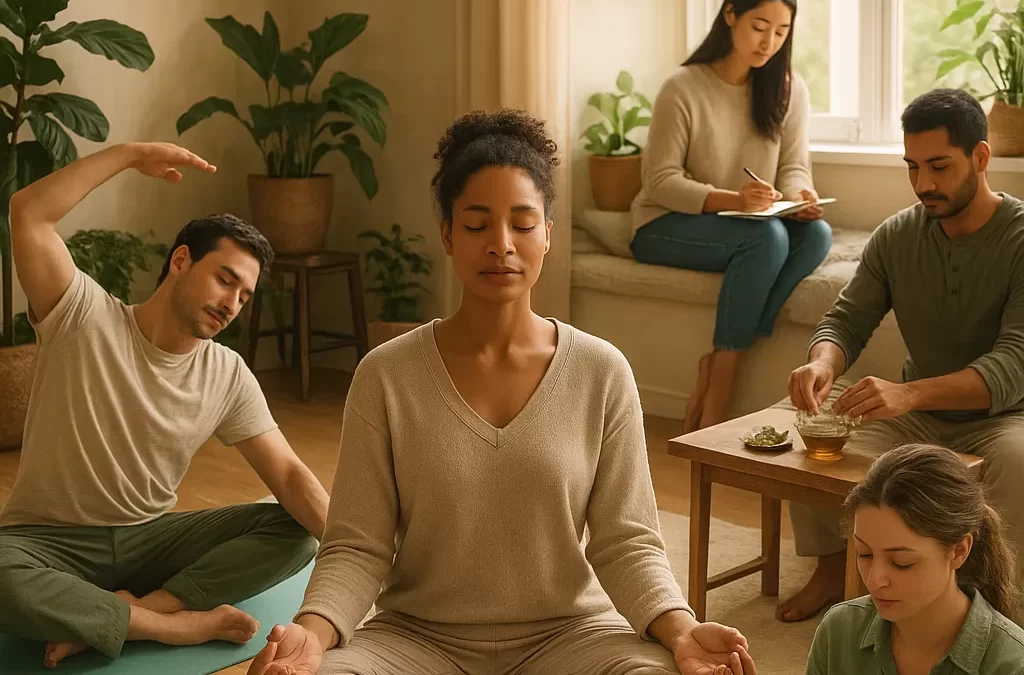
What are Some Effective Self-Healing Techniques You Can Try at Home?
What are Some Effective Self-Healing Techniques You Can Try at Home?
Some effective self-healing techniques you can try at home include mindfulness meditation, breathwork, progressive muscle relaxation, journaling, and gentle movement practices like yoga or tai chi. These methods are easy to learn, require minimal equipment, and can promote emotional, mental, and physical well-being. Exploring self-healing empowers you to actively manage stress, restore balance, and enhance resilience from the comfort of your space.
What Does Self-Healing Mean?
Self-healing refers to the process of actively restoring, maintaining, or improving your well-being through personal practices, without medical or professional intervention. It involves using holistic, evidence-based methods to nurture the mind, body, and spirit. Related entities include mindfulness, resilience, body-mind connection, and emotional regulation.
Quick Reference: Common Self-Healing Techniques at Home
Technique
Purpose
Difficulty
Time/Session
Mindfulness Meditation
Reduce stress, increase awareness
Easy
5-20 minutes
Breathwork
Calm body, balance emotions
Easy
5-10 minutes
Progressive Muscle Relaxation
Release physical tension
Easy
10-15 minutes
Journaling
Process thoughts and feelings
Easy
10-20 minutes
Yoga/Tai Chi
Promote flexibility, calm mind
Moderate
20-45 minutes
Self-Compassion Exercises
Boost emotional health
Easy
5-10 minutes
How Do You Practice Self-Healing at Home?
Practicing self-healing at home involves identifying your current needs—whether emotional, physical, or mental—and choosing targeted techniques. Many people ask: “What self-healing activities work for anxiety or stress?” or “How can I heal myself emotionally without therapy?” The answer usually centers on regular, intentional practices that fit your lifestyle and goals. Below, we break down some of the most accessible and effective methods.
1. Mindfulness Meditation: How Does It Help with Self-Healing?
Mindfulness meditation is the practice of paying focused, non-judgmental attention to the present moment. Research from entities like the American Psychological Association shows mindfulness can reduce anxiety, improve mood, and support mental clarity.
How to try: Sit comfortably, close your eyes, and focus on your breath or bodily sensations. Notice thoughts without holding onto them, gently returning to the present if your mind wanders.
Best for: Stress relief, emotional regulation, improved focus.
Related techniques: Guided meditations, loving-kindness meditation, body scan.
2. What Is Breathwork and Why Is It Effective?
Breathwork refers to controlled breathing exercises designed to regulate your nervous system. Simple techniques like diaphragmatic breathing (belly breathing) can immediately lower stress hormones and calm the mind.
How to try: Inhale slowly through your nose for four counts, hold for four, exhale through your mouth for six. Repeat for several cycles.
Applications: Managing anxiety attacks, improving sleep, grounding in the present moment.
Related concepts: Pranayama (Yoga), box breathing (used by Navy SEALs and athletes).
3. Can Progressive Muscle Relaxation Reduce Physical and Mental Tension?
Progressive Muscle Relaxation (PMR) is a technique where you tense and then gradually release different muscle groups. This method, endorsed by the National Institute of Mental Health, helps to relieve stress-induced muscle tightness and brings greater body awareness.
How to try: Starting from your toes, tense each muscle group for a count of 5, then release. Continue up through your legs, abdomen, arms, and face.
When to use: After a long day, before bed, or during high-stress moments.
4. How Does Journaling Support Self-Healing?
Journaling involves writing down your thoughts, feelings, and experiences. It’s a well-studied technique used in cognitive behavioral therapy (CBT) for emotional processing and self-discovery.
How to try: Set a timer for 10-20 minutes and freely write about your emotions, goals, or gratitude. Prompts like “What am I feeling right now?” can help get started.
Benefits: Clarifies emotions, uncovers negative patterns, builds resilience.
5. Is Yoga or Gentle Movement an Effective Self-Healing Tool?
Yoga, tai chi, and other movement-based practices facilitate self-healing by integrating physical flexibility, mindful breathing, and body awareness. Scientific reviews (see Harvard Medical School) confirm improvements in overall well-being, sleep, and mood.
How to try: Use beginner YouTube routines or follow mobile app guides. Gentle styles like Hatha, Yin, or restorative yoga are beginner-friendly.
Associated terms: Somatic movement, body-mind integration, Qi (in tai chi and qigong).
6. What Are Self-Compassion and Kindness Exercises?
Self-compassion exercises involve intentionally treating yourself with kindness during difficult moments. Pioneered by Dr. Kristin Neff and frequently cited in psychology research, these exercises can interrupt harsh self-talk and foster healing.
How to try: Place your hand over your heart and silently repeat a compassionate phrase (e.g., “May I be kind to myself”).
Benefits: Lowers self-criticism, supports recovery from setbacks.
Which Self-Healing Techniques Should You Try for Specific Challenges?
Challenge
Recommended Practice
Main Benefit
Stress or overwhelm
Mindfulness meditation, breathwork
Cultivates calm, reduces reactivity
Trouble sleeping
Progressive muscle relaxation, guided meditation
Releases tension, eases mind
Negative self-talk
Journaling, self-compassion exercises
Promotes self-acceptance
Physical stiffness or fatigue
Gentle yoga, tai chi
Supports body awareness & restoration
Desire for emotional clarity
Journaling, mindfulness
Improves insight, emotional balance
Can Self-Healing Replace Professional Care?
While self-healing techniques are powerful for daily well-being, they are not a substitute for medical or mental health treatment if you have severe or persistent symptoms. If you experience chronic pain, depression, trauma, or other significant health concerns, seek guidance from professional healthcare providers. Self-healing complements, rather than replaces, professional support.
How to Start a Self-Healing Routine at Home?
Start small: Pick one or two techniques that resonate with you.
Be consistent: Try to practice daily, even if it’s just for 5 minutes.
Create a supportive environment: Find a quiet, comfortable space and remove distractions.
Reflect and adapt: Notice how each practice makes you feel and adjust as needed.
What Else Can Support the Self-Healing Process?
Related healthy habits that strengthen self-healing include:
Adequate sleep and rest
Wholesome, balanced nutrition
Staying hydrated
Spending time in nature
Building supportive relationships
FAQs About At-Home Self-Healing Techniques
What is the fastest self-healing technique I can try at home?
Breathwork, such as diaphragmatic breathing, can quickly reduce stress in under 5 minutes and is suitable for most beginners.
Are there self-healing practices for emotional trauma?
Journaling, mindfulness meditation, and self-compassion exercises can support gentle healing; however, professional guidance is advised for significant trauma.
How often should I practice self-healing techniques?
Daily or consistent practice is most effective; even a few minutes each day can bring noticeable benefits over time.
Do self-healing techniques have scientific support?
Yes, many methods like mindfulness, PMR, and yoga are supported by research from organizations such as the APA and NIH for stress reduction and well-being.
Can self-healing help with sleep problems?
Techniques like progressive muscle relaxation and evening meditation have been shown to ease insomnia and promote sleep quality.
Should I combine different self-healing techniques?
Absolutely. Combining practices like breathwork, journaling, and movement can enhance results and create a holistic routine.
Summary: Your At-Home Self-Healing Toolkit
In summary, self-healing at home is accessible to anyone and can include meditation, breathwork, yoga, journaling, and self-compassion practices. Tailor your approach to your needs, remain patient with yourself, and remember that self-healing is a journey. When combined with a healthy lifestyle and self-awareness, these techniques help you recover, build resilience, and thrive—one mindful moment at a time.
“`
Leave a Reply