
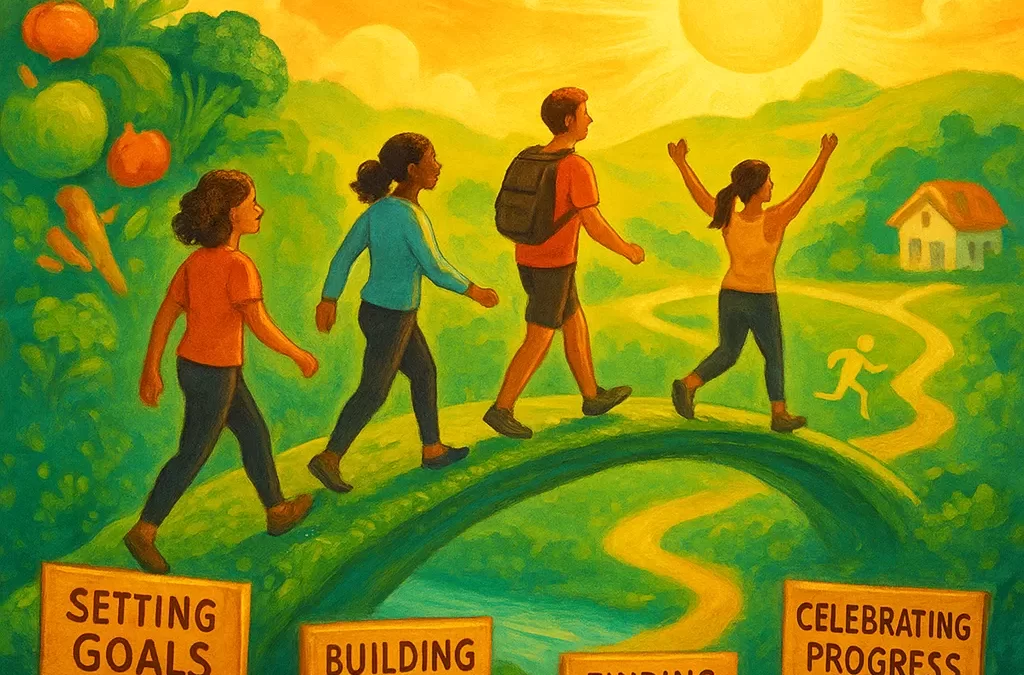
What are the Most Effective Steps to Make a Lasting Lifestyle Change?
The most effective steps to make a lasting lifestyle change are setting clear, realistic goals, identifying intrinsic motivation, and implementing gradual habits with persistent self-reflection. Sustainable change happens when you understand your personal “why,” create supportive environments, and track progress over time. Adopting this approach leads to lifelong, positive transformation.
—
What Does “Making a Lasting Lifestyle Change” Mean?
**Definition:**
Making a lasting lifestyle change means intentionally altering daily habits and behaviors, such as diet, exercise, mindset, or routine, in a way that these changes are maintained over the long term, rather than reverting to old patterns.
—
Why Do People Want to Change Their Lifestyle?
People seek lifestyle change for reasons like improving health, increasing happiness, reducing risk of chronic diseases (such as diabetes or hypertension), boosting energy, or developing resilience. Related concepts include well-being, personal growth, and life satisfaction.
—
What are the Proven Steps for Lasting Lifestyle Change?
1. Identify Your Personal Motivation
Understanding **why** you want to create change (your “intrinsic motivation”) is foundational. Goals tied to internal reasons, like wanting to feel healthier or set a good example for family, are shown to stick better than goals based on external pressures.
2. Set Clear, Realistic Goals
– Make goals **specific** (“Walk 30 minutes daily” instead of “exercise more”)
– Ensure goals are **measurable, attainable, relevant,** and **time-bound** (SMART goals)
– Break down large objectives into **manageable steps**
3. Start Small: Focus on One Habit at a Time
Research shows attempting multiple big changes simultaneously can overwhelm you. Small, incremental steps—such as drinking an extra glass of water a day or going to bed 15 minutes earlier—create momentum. Entities like the **CDC** and **World Health Organization** recommend gradual habit adoption.
4. Build Supportive Environments
– Inform friends/family of your intent for accountability
– Remove obstacles (e.g., stock house with healthy foods)
– Use reminders, planners, and apps for tracking
5. Practice Self-Monitoring and Reflection
Regularly check progress using journals, apps, or checklists. Reflect on successes and setbacks, which strengthens self-awareness and adaptability.
6. Be Patient and Persistent
Lasting change takes time—setbacks are normal. Focus on progress, not perfection, and re-commit to your goals after lapses.
7. Celebrate Milestones
Acknowledge progress with rewards or recognition. This activates the brain’s reward centers, reinforcing positive behavior.
—
Step-by-Step Table: Roadmap to Sustainable Lifestyle Change
| Step | Action Example | Related Entity/Concept |
|———————————————-|———————————-|——————————-|
| 1. Define Your ‘Why’ | “To feel more energetic daily” | Intrinsic motivation |
| 2. Set a SMART goal | “Lose 10 lbs in 3 months” | Goal setting |
| 3. Take a Small First Step | “Replace soda with water” | Habit formation |
| 4. Build Environment to Support Choice | “Prepare healthy snacks” | Behavioral cues |
| 5. Track Your Progress | “Use a habit-tracking app” | Self-monitoring |
| 6. Reassess and Adjust as Needed | “Amend plan if off-track” | Growth mindset |
| 7. Reward Yourself for Achievements | “Treat self to new workout gear” | Positive reinforcement |
—
How Can You Make Lifestyle Changes Stick? (Expert Insights)
Behavioral science suggests sustainable change results from **habit loops**: consistent cues, specific routines, and rewarding outcomes. Entities like **James Clear (author of Atomic Habits)** and **Stanford’s Behavior Design Lab** highlight the importance of repetition, small victories, and environment design.
– **Atomic Habits**: Tiny changes, done consistently, compound into big results.
– **Behavioral Triggers**: Link new habits to existing routines (“After breakfast, I’ll walk for 10 minutes”).
—
Common Barriers to Lasting Lifestyle Change
Understanding obstacles helps you plan ahead. Typical challenges include:
1. **Lack of clear goals**
2. **Unrealistic expectations**
3. **Social pressure or unsupportive environment**
4. **Tendency to revert after setbacks**
5. **Low motivation or poor stress management**
How to Overcome These Barriers?
– Plan for setbacks and problem-solving in advance
– Build a support network (friends, health coaches, online communities)
– Celebrate progress, however small
– Practice positive self-talk and resilience-building techniques
—
What Are Some Examples of Successful Lifestyle Changes?
– **Quitting smoking**: Replacing smoking with a healthy oral habit, joining a support group, using apps for accountability.
– **Healthy eating**: Planning weekly meals, prepping vegetables, choosing whole foods over processed.
– **Regular exercise**: Scheduling daily walks, finding an enjoyable activity, setting up reminders.
These examples show entity relationships with **health improvement**, **behavioral tracking**, and **social accountability**.
—
Related Questions People Also Ask
How do I start a healthy lifestyle change?
Begin by identifying one small, specific habit to change and make a plan to practice it daily. Build on your progress over time and seek support from friends, family, or communities.
What habits are hardest to change, and why?
Habits tied to strong emotional or environmental triggers, such as emotional eating or late-night screen use, are hardest to change because they’re deeply ingrained and often linked to stress.
How long does it take to make a lasting lifestyle change?
It typically takes 2-3 months for a new habit to feel automatic, but maintaining change is a lifelong process. Consistency is more important than speed.
Can you make lifestyle changes on your own?
Absolutely. Many succeed alone—especially with planning and tracking—but having support or accountability increases your chances of success.
Why do most lifestyle changes fail?
Most fail due to unrealistic expectations, lack of accountability, and giving up after temporary setbacks. Breaking goals into manageable pieces and anticipating obstacles helps prevent failure.
What are the best tools or apps to support lifestyle change?
Highly rated options include **MyFitnessPal** for nutrition, **Habitica** for habit tracking, and **Headspace** for meditation and stress reduction.
How do lifestyle changes improve mental health?
Establishing healthy routines improves mood, sleep, and stress resilience, reducing risk for anxiety and depression—leading research by the APA supports the link between lifestyle and mental well-being.
—
Conclusion: Key Takeaways for Lasting Lifestyle Change
Lasting lifestyle change is an ongoing journey rooted in self-awareness, realistic planning, and consistent action. By focusing on small, deliberate steps, harnessing intrinsic motivation, and using supportive environments and tools, anyone can achieve and maintain meaningful changes that improve both physical health and overall life satisfaction.
—
“`
Leave a Reply