
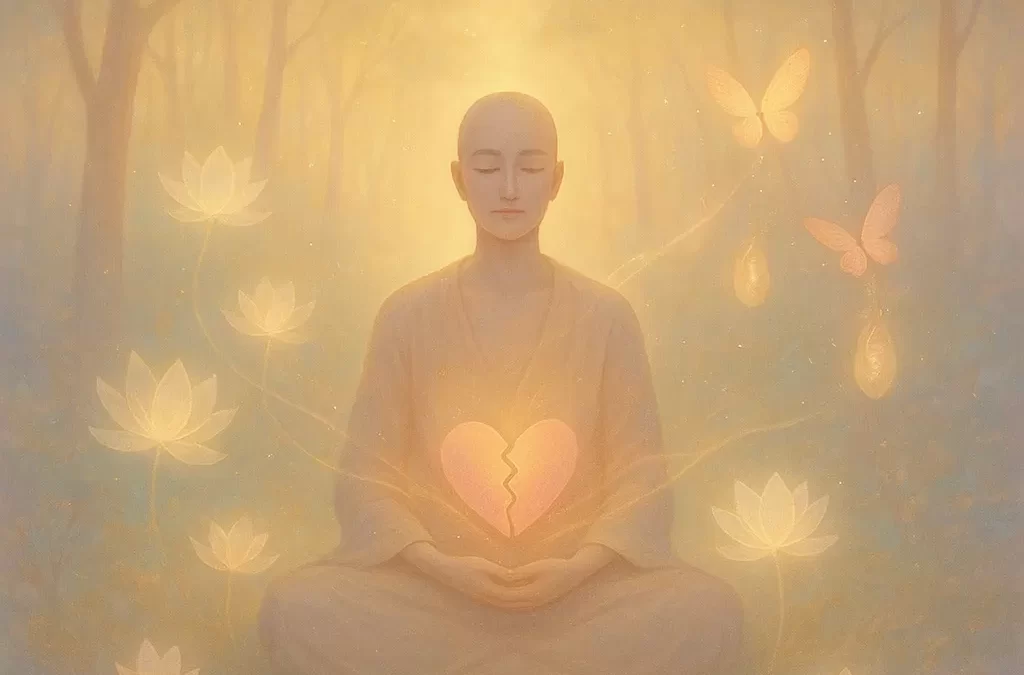
Most Effective Techniques for Achieving Inner Healing
What Are the Most Effective Techniques for Achieving Inner Healing?
The most effective techniques for achieving inner healing include mindfulness meditation, cognitive-behavioral practices, seeking professional therapy, self-compassion exercises, and maintaining supportive relationships. These methods work by promoting self-awareness, emotional balance, and resilience, leading to lasting inner peace and wellbeing. Integrating these approaches can help heal emotional wounds, resolve trauma, and foster personal growth.
What Is Inner Healing?
Definition: Inner healing is the process of addressing, understanding, and repairing emotional pain, psychological trauma, or unresolved negative experiences in order to achieve a sense of wellbeing, self-acceptance, and resilience.
Inner healing encompasses a range of techniques from counseling and self-help to spiritual and holistic strategies. It is deeply linked to mental health, emotional intelligence, and personal transformation.
What Techniques Are Most Effective for Inner Healing?
Effective inner healing techniques target the mind, emotions, and body. Let’s explore how different evidence-based and holistic approaches meet this need.
1. Mindfulness and Meditation
Mindful Awareness: Practicing present-moment attention through mindfulness meditation reduces stress and increases emotional regulation.
Guided Meditation: Audio-guided sessions can help process difficult emotions and promote calmness.
Breathwork: Focused breathing techniques, such as diaphragmatic breathing, calm the nervous system and release tension.
2. Cognitive and Behavioral Techniques
Cognitive Behavioral Therapy (CBT): CBT helps reframe negative thinking patterns and build healthy responses to emotional triggers.
Journaling: Writing thoughts and feelings increases self-awareness and provides clarity on internal experiences.
Affirmations: Repeating positive statements can help shift deeply held beliefs and promote self-worth.
3. Emotional Release Practices
Somatic Therapy: Techniques like body scan, movement, or tapping (EFT) release stored emotional tension.
Cry Therapy: Allowing oneself to feel and express emotions fully enables healing and emotional release.
Creative Arts: Art therapy, music, or dance provide alternative pathways for emotional processing.
4. Professional Support and Therapy
Talk Therapy: Licensed therapists guide individuals through trauma resolution, self-discovery, and behavior change.
Group Therapy: Support groups foster connection and normalization of experiences.
Trauma-Informed Care: Specialized therapists address complex emotional wounds with sensitivity.
5. Self-Compassion and Forgiveness
Self-Compassion Exercises: Practices like Loving-Kindness Meditation (Metta) increase self-acceptance and reduce shame.
Forgiveness Practices: Consciously letting go of resentment toward self or others supports emotional relief and wellbeing.
6. Healthy Lifestyle and Social Connection
Physical Health: Regular exercise, adequate sleep, and nutritious food support emotional recovery.
Healthy Boundaries: Learning to say no and protect personal space fosters a safe environment for healing.
Social Support: Meaningful relationships and community connections provide comfort and validation.
Summary Table: Core Inner Healing Techniques and Benefits
Technique
Key Benefits
Relevant Contexts
Mindfulness Meditation
Reduces anxiety, increases self-awareness
Stress, emotional imbalance
CBT
Reframes thoughts, improves coping
Negative thinking, trauma, depression
Somatic Therapy
Releases body-held trauma
PTSD, chronic stress
Self-Compassion
Boosts self-acceptance, reduces shame
Low self-esteem, guilt
Support Networks
Provides validation, reduces isolation
Grief, recovery, personal growth
How Do Techniques for Inner Healing Work?
Techniques for inner healing operate by creating psychological safety, increasing insight, and promoting nervous system regulation. For example, mindfulness grounds attention in the present, therapy clarifies underlying issues, and self-compassion reduces internal criticism. Building healthy relationships provides external validation and support. Over time, practicing these strategies integrates healthier emotional patterns, improves resilience, and transforms self-understanding.
Why Is Inner Healing Important?
Restores emotional equilibrium and joy
Fosters self-love and inner peace
Improves relationships and daily functioning
Heals effects of past trauma
Prevents the cycle of emotional reactivity or avoidance
What Related Concepts and Practices Support Inner Healing?
Inner healing is interconnected with broader mental health fields. Related entities and practices include:
Emotional Intelligence: Recognizing and managing emotions effectively
Resilience Training: Building skills to cope with adversity
Mind-Body Medicine: Approaches like yoga, tai chi, or acupuncture
Spiritual Healing: Practices involving faith, meditation, and gratitude
Self-Care Rituals: Daily habits that cultivate stability and wellbeing
Can Anyone Achieve Inner Healing?
Yes, anyone can begin the journey of inner healing, regardless of age or background. The process is unique to each person and may involve professional help for deeper wounds or trauma. Consistency and openness to self-exploration are key to making meaningful progress.
What Are Common Variations of This Question?
How can I heal emotionally?
What are the best ways to recover from emotional trauma?
How do I practice self-healing?
Which methods work for inner peace and healing?
What’s effective for overcoming emotional pain?
FAQs: Inner Healing and Related Topics
1. How long does inner healing usually take?
Inner healing is a gradual process, and the timeline varies by individual and the severity of emotional wounds. Some people may notice improvement in a few weeks, while deeper healing can take months or longer, especially if trauma is involved.
2. Can inner healing be done without therapy?
Many people achieve significant inner healing through self-help, mindfulness, and supportive relationships. However, therapy offers expert guidance and is recommended for addressing deep-seated trauma or persistent emotional pain.
3. Are there spiritual techniques for inner healing?
Yes, spiritual practices such as prayer, gratitude, meditation, and faith-based counseling can support inner healing by fostering connection, purpose, and forgiveness.
4. What signs show that inner healing is happening?
Common signs of inner healing include reduced emotional reactivity, increased self-compassion, better relationships, more positive outlook, and the ability to face challenges calmly.
5. Is it normal to feel worse before feeling better during inner healing?
Sometimes, confronting past wounds can initially trigger discomfort. This is a normal part of the healing process, and emotional pain often signals that healing and integration are occurring.
6. What should I avoid during the inner healing process?
Avoid suppressing or judging your emotions, isolating yourself, or turning to unhealthy coping mechanisms. Seek support if you feel overwhelmed.
7. Can lifestyle changes help with inner healing?
Absolutely. Healthy sleep, nutrition, exercise, and setting personal boundaries provide a physical foundation for emotional recovery.
Conclusion: Putting Inner Healing Into Practice
Achieving inner healing is a personal journey that draws on mindfulness, cognitive and emotional techniques, professional guidance, and community support. By using these effective strategies consistently, anyone can restore inner harmony, resolve past pain, and create a more fulfilling life.
“`
Leave a Reply