
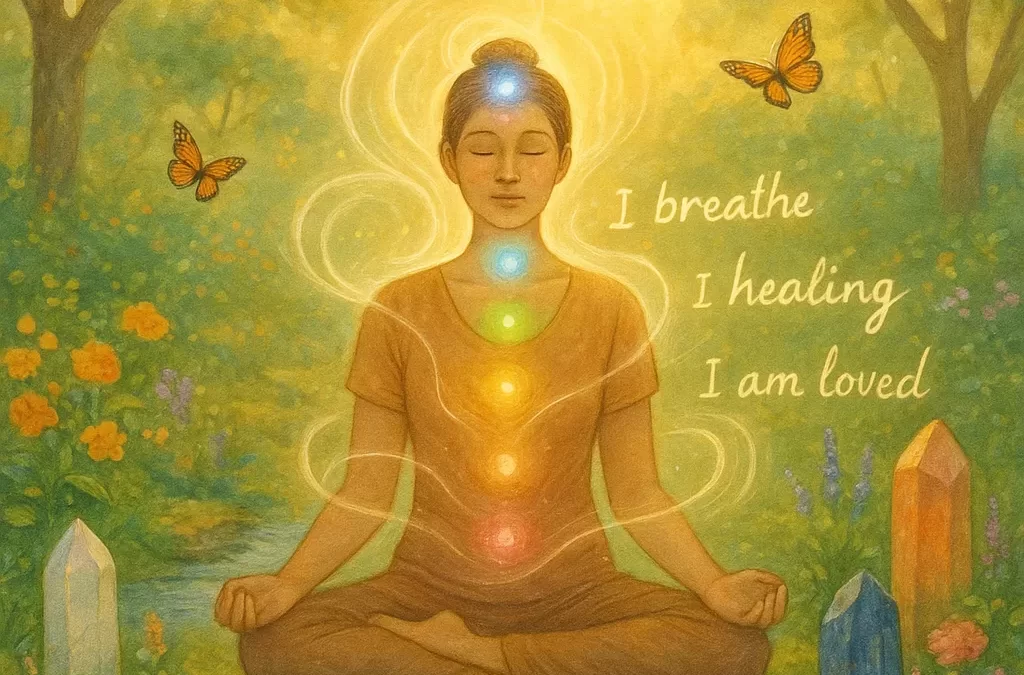
Effective Self-Healing Techniques for Mental and Physical Well-Being
What Are Some Effective Self-Healing Techniques That Can Help Improve Mental and Physical Well-Being?
Effective self-healing techniques for improving mental and physical well-being include practices such as mindfulness meditation, breathwork, movement therapies, and self-compassion exercises. These methods enhance emotional resilience, reduce stress, support physical health, and foster a deeper sense of balance and self-awareness.
Definition:
Self-healing techniques are personal strategies and practices that individuals use to support their own mental and physical recovery, boost immunity, and maintain overall wellness without relying solely on external interventions.
What Self-Healing Techniques Are Most Effective for Mind-Body Wellness?
Many people ask: “How can I heal myself naturally?” or “What practices boost both mental and physical health?” The answer lies in holistic approaches that connect mind, body, and emotions. Integrative methods draw from psychology, traditional medicine, spirituality, and modern science.
1. Mindfulness Meditation
Mindfulness meditation is the practice of bringing attention to the present moment without judgment. Through regular mindfulness, individuals train their minds to observe thoughts and sensations with acceptance, reducing anxiety, and increasing emotional clarity.
Guided or silent sitting practice, usually 10-30 minutes daily
Evidence from psychology and neuroscience supports its benefits in lowering stress and improving mood
Related entity: Mindfulness-Based Stress Reduction (MBSR)
2. Breathwork Techniques
Breathwork involves conscious control of breathing to regulate the nervous system. Techniques such as diaphragmatic breathing, box breathing, and alternate nostril breathing calm the body, reduce cortisol (the stress hormone), and improve heart rate variability.
Deep abdominal breathing (diaphragmatic)
Box breathing (inhale-hold-exhale-hold in equal counts)
Pranayama Yoga (from Ayurveda tradition)
3. Movement Therapy
Movement is integral to both physical and mental health. Exercise, yoga, Tai Chi, and Qigong circulate energy, boost endorphins, and improve muscle tone, flexibility, and mood.
Technique
Main Benefit
Related Entities
Yoga
Flexibility, relaxation
Hatha Yoga, Vinyasa
Walking/Running
Cardiovascular health, stress relief
Aerobic Exercise
Tai Chi/Qigong
Balance, energy flow
Traditional Chinese Medicine
4. Journaling and Expressive Writing
Journaling is a proven method for processing emotions and organizing thoughts. Regular writing builds self-awareness and helps manage anxiety, trauma, or depressive symptoms.
Daily gratitude journaling
Emotion and mood tracking
Automatic writing (free association)
5. Self-Compassion Practices
Self-compassion, a key concept in positive psychology, involves treating oneself with kindness. Techniques include loving-kindness meditation, positive affirmations, and cognitive reframing to combat self-criticism.
Loving-kindness (Metta) meditation
Positive self-talk and affirmations
Cognitive Behavioral Therapy (CBT) strategies
6. Energy Healing Techniques
Energy healing draws from Reiki, acupressure, and chakra balancing to promote flow in the body’s energy systems. While evidence varies, anecdotal reports link these therapies to relaxation, emotional release, and pain management.
Reiki self-treatment
Acupressure points for stress relief
Visualization of energy centers (chakras)
7. Guided Relaxation Techniques
Guided imagery and body scan meditations help reduce physical tension and encourage mental clarity. Apps and audio resources can guide users through progressive muscle relaxation or visualization exercises.
Why Do Self-Healing Techniques Work?
Self-healing practices engage the body’s natural healing mechanisms—such as the parasympathetic nervous system and the immune response—while addressing psychological resilience. Consistency builds positive neuroplastic changes in the brain, enhancing overall adaptive capacity.
Related concepts: Mindfulness, Stress Reduction, Positive Psychology, Somatic Therapy, Emotional Regulation, Immune Function, Neuroplasticity, Complementary and Alternative Medicine (CAM)
How to Start a Self-Healing Practice
Starting is simple. Select one or two techniques that resonate most, and commit to brief daily sessions. Combining mind-body and movement approaches is often most effective. Maintaining a routine and tracking progress ensures continued motivation and clarity.
Choose a technique (e.g., mindfulness, yoga)
Set aside 10-20 minutes per day
Track your mood or symptoms before and after sessions
Adjust and combine techniques as needed
Seek professional support if you encounter barriers or strong emotional responses
How Do Self-Healing Techniques Fit with Medical Care?
Self-healing methods are complementary—not a replacement for professional treatment. They can enhance outcomes for chronic conditions, trauma, or stress, but diagnosed medical or psychiatric issues should be managed with a healthcare provider. Integrative medicine approaches often combine self-healing with conventional care.
FAQ: Effective Self-Healing Techniques for Well-Being
What is the fastest self-healing technique to reduce stress?
Deep diaphragmatic breathing and guided body scan meditation can quickly activate the relaxation response and reduce acute stress in minutes.
Can self-healing techniques help with depression or anxiety?
Yes, self-healing practices such as mindfulness meditation, exercise, and journaling are effective adjuncts for managing mild to moderate depression and anxiety. However, clinical symptoms should be monitored by a mental health professional.
How does energy healing like Reiki work?
Reiki and related modalities aim to balance the body’s energy fields using light touch or intention. While scientific evidence is mixed, many report relaxation and well-being after sessions.
Are there physical self-healing techniques for chronic pain?
Yes, movement therapies (like gentle yoga, Tai Chi), breathwork, and guided relaxation can help manage chronic pain by reducing muscle tension and increasing endorphins. Consult with a healthcare provider for a tailored plan.
What self-healing technique is best for sleep improvement?
Progressive muscle relaxation and evening mindfulness meditation are among the most effective self-healing approaches for falling asleep and improving sleep quality.
How do I maintain motivation to practice self-healing techniques?
Set small, achievable goals, track your progress, use reminders, and consider practicing with a partner or support group to cultivate consistency and motivation.
Is it normal to feel emotional or physical discomfort during self-healing practices?
Yes, increased self-awareness can bring up challenging emotions or sensations. This is often a natural part of the healing process. Practice self-compassion and seek support if discomfort persists.
Summary: Key Points on Self-Healing for Well-Being
Combining mindfulness, physical movement, and compassionate self-reflection creates a powerful foundation for self-healing.
Techniques can be tailored to individual needs and integrated with medical care for optimal results.
Consistency, curiosity, and gentle self-acceptance are essential for success in self-healing journeys.
“`
Leave a Reply