
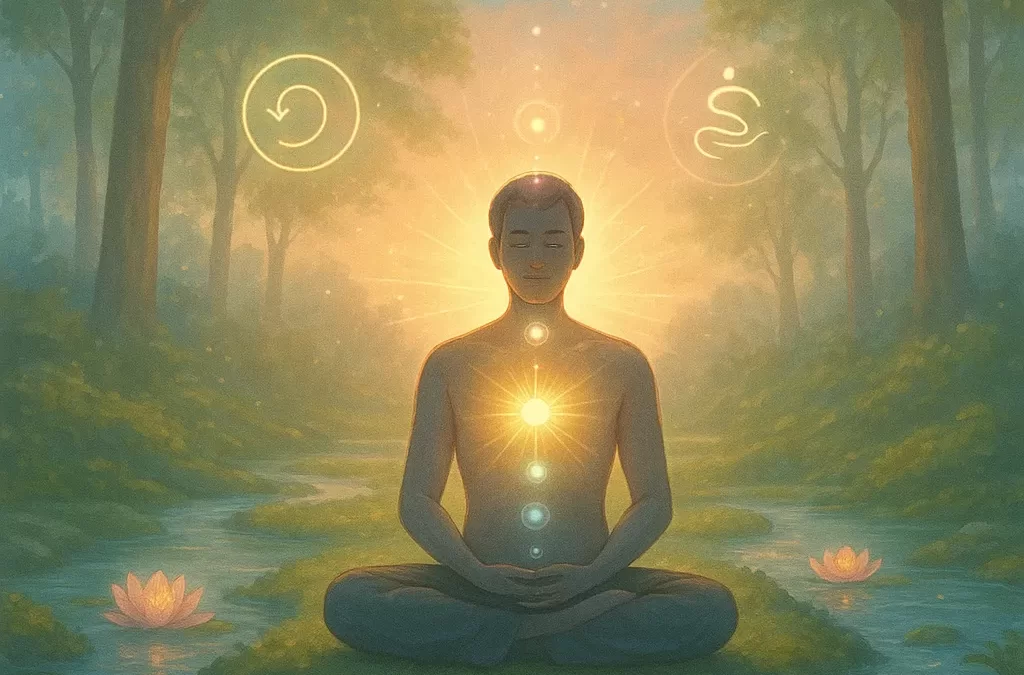
Effective Self Healing Techniques for Managing Stress and Anxiety
The most effective self healing techniques for managing stress and anxiety include mindful breathing, progressive muscle relaxation, meditation, physical exercise, and journaling. By practicing these evidence-based strategies, individuals can naturally reduce feelings of overwhelm and promote emotional resilience without medication or professional intervention.
What Are Self Healing Techniques for Stress and Anxiety?
Self healing techniques are practical, self-guided methods that empower individuals to manage stress and anxiety using their own inner resources. These techniques often draw from practices in mindfulness, cognitive-behavioral therapy (CBT), positive psychology, and somatic (body-based) therapies.
Definition: Self Healing Techniques for Stress and Anxiety
Activities and exercises individuals use on their own—such as breathing routines, relaxation practices, and positive thinking—to ease psychological stress and anxious feelings naturally.
What Are the Most Effective Self Healing Techniques?
Many people ask: What are proven ways to self-soothe when stressed or anxious? The following techniques are widely supported by mental health experts and research.
Mindful Breathing Exercises
Diaphragmatic Breathing: Breathing deeply through the belly to activate the body’s relaxation response.
Box Breathing (4-4-4-4): Inhale, hold, exhale, and pause for 4 seconds each. This regulates the nervous system.
Related entities: Mindfulness, Parasympathetic Nervous System, Vagus Nerve.
Progressive Muscle Relaxation (PMR)
Alternately tense and relax major muscle groups from toes to head.
Helps individuals notice and release physical tension associated with stress and anxiety.
Semantic relationship: Muscle relaxation reduces physical stress response and calms the mind.
Meditation and Mindfulness Practices
Guided Meditation: Audio or app-led sessions that cultivate calm and insight.
Mindfulness Meditation: Sitting quietly and observing thoughts and feelings without judgment.
Practiced regularly, these approaches enhance emotional regulation and mental clarity.
Entities: Meditation Apps, Emotion Regulation, Cognitive Behavioral Techniques.
Physical Exercise and Movement
Physical activities—walking, yoga, tai chi, or regular workouts—release endorphins, which are natural mood boosters.
Movement reduces stress hormone levels (e.g., cortisol) and helps clear anxious energy.
Contextual note: Exercise supports both mental and physical health during periods of stress and anxiety.
Journaling and Expressive Writing
Writing about worries, emotions, or daily experiences provides perspective and reduces rumination.
Structured journaling, such as gratitude lists or “thought dumps,” can shift focus from negative to positive thinking.
Related concept: Emotional Processing, Cognitive Restructuring.
How Can You Practice Self Healing For Anxiety at Home?
Many users want to know: What are simple, actionable steps for managing anxiety on your own? Here’s a quick guide.
Pause and Breathe: Notice tension, pause, and take 3-5 deep belly breaths.
Label Your Feelings: Say or write what emotion you are experiencing (“I feel worried”).
Grounding Exercise: Identify 5 things you can see, 4 you can touch, 3 you can hear, 2 you can smell, 1 you can taste.
Engage Your Body: Take a brisk walk, gentle stretch, or do a dance break.
Reflect or Journal: Set a timer for 5 minutes of freewriting about your thoughts.
Practice Acceptance: Remind yourself “It’s okay to feel this way,” which reduces secondary stress about the feeling itself.
How Do Self Healing Techniques Compare?
You may wonder, Which self healing technique is best for me? Here’s a comparison to help you choose based on your needs:
Technique
Time Needed
Main Benefit
Best For
Mindful Breathing
1-5 min
Immediate calm
Acute stress, daily use
Progressive Muscle Relaxation
5-15 min
Physical relaxation
Tension, physical symptoms
Meditation
10-20 min
Long-term resilience
Ongoing stress, building habits
Exercise
10-30 min
Mood boost and stress relief
Energy release, improving mood
Journaling
5-15 min
Clarity and emotional processing
Racing thoughts, problem-solving
When Should You Use Self Healing Techniques?
It’s most effective to use self healing tools at the very first sign of stress or anxiety, and also as preventative daily routines. Integrating these techniques into your schedule—like starting the day with breathing or ending with progressive relaxation—helps train your nervous system for adaptability and calm.
Are There Other Self Healing Practices for Anxiety and Stress?
Yes, additional self healing methods include creative activities (like drawing or music), nature walks (ecotherapy), aromatherapy (lavender or chamomile), and self-compassion exercises. These practices complement core techniques to support holistic mental health.
Creative Arts: Drawing, painting, or crafting for self-expression
Nature Therapy: Spending time outdoors to reduce stress hormones
Aromatherapy: Using essential oils to promote relaxation
Gratitude Practice: Focusing on positive aspects of life
Which Techniques Work Best for Which Type of Anxiety or Stress?
The effectiveness of each technique can depend on the source and nature of your stress or anxiety. For example, quick breathing exercises are ideal for sudden anxiety (such as panic episodes), while meditation and journaling support chronic stress or generalized anxiety. Combining multiple approaches provides the best results for most individuals.
How Do Self Healing Techniques Relate to Professional Therapy?
Self healing methods are not replacements for mental health professionals, but they can complement therapy or provide immediate relief between sessions. If stress or anxiety persists or disrupts daily life, consult a healthcare provider for additional support, such as cognitive-behavioral therapy (CBT), counseling, or medication.
FAQ: Self Healing Techniques for Stress and Anxiety
1. What is the fastest self healing technique for acute anxiety?
Deep or mindful breathing is often the quickest way to calm acute anxiety, working in under a minute by activating the body’s relaxation response.
2. Can self healing techniques replace medication?
For mild to moderate stress or anxiety, self healing techniques can often be effective on their own, but they may not replace medication for severe or persistent symptoms. Always consult with a healthcare provider for individual advice.
3. Are these techniques safe for children and teenagers?
Yes, most self healing methods—especially breathing, movement, and creative activities—are safe and beneficial for children and adolescents, often adapted to their developmental level by parents or caregivers.
4. How often should I practice these techniques?
For best results, practice daily as a preventative measure, and also in moments of stress or anxiety for immediate support.
5. Do these techniques have scientific support?
Yes, techniques like mindfulness, progressive muscle relaxation, and exercise are well-supported by research as effective tools for reducing stress and anxiety.
6. What if self healing techniques don’t work for me?
If you don’t notice improvement, try different techniques or combinations, and consider seeking professional support from a therapist or counselor.
7. Can I combine several self healing methods?
Absolutely. Many people benefit from integrating multiple techniques, such as combining journaling with meditation or exercise with mindful breathing.
Key Takeaways: Effective Self Healing for Stress and Anxiety
Mindful breathing, muscle relaxation, meditation, exercise, and journaling are the most effective core techniques
Daily practice and early intervention boost results
These techniques are accessible, safe, and adapt to individual needs and lifestyles
Self healing supports, but does not replace, professional mental health treatment when needed
Choosing the right self healing strategy empowers you to manage stress and anxiety naturally, supporting long-term mental wellbeing.
“`
Leave a Reply