
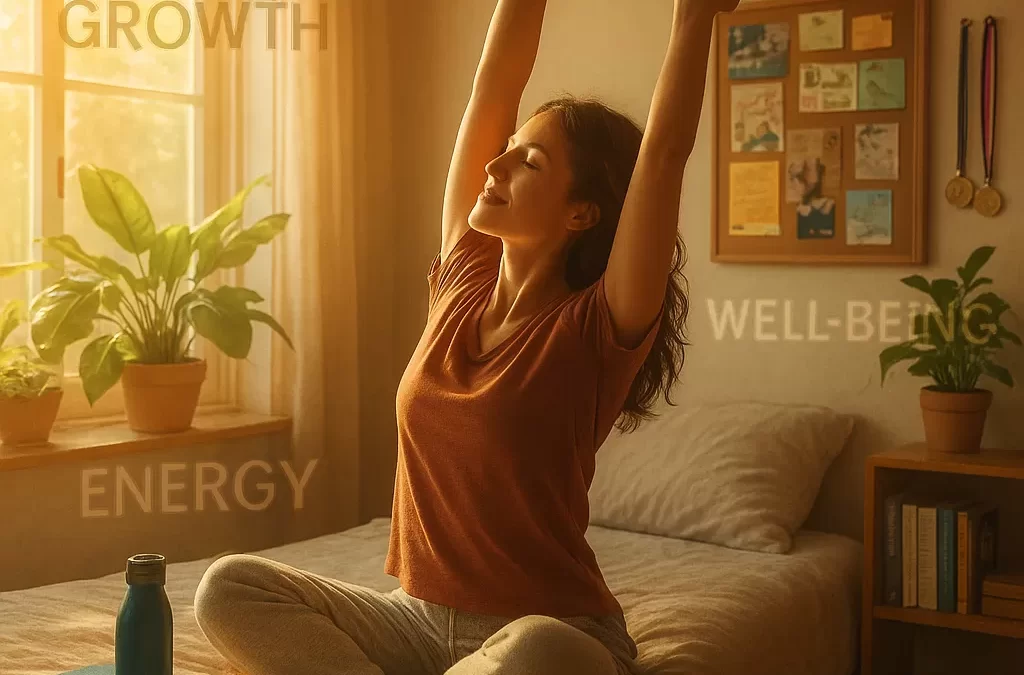
Practical Steps to Make a Positive Lifestyle Change: A Guide
What Are Some Practical Steps I Can Take to Make a Positive Lifestyle Change?
To make a positive lifestyle change, start by setting clear, achievable goals and focusing on small, consistent actions that align with your values. Practical steps include developing healthy habits, prioritizing self-care, managing stress effectively, and seeking support when needed. These strategies help create lasting improvements in your wellbeing and quality of life.
What Does It Mean to Make a Positive Lifestyle Change?
A positive lifestyle change refers to adopting new behaviors or modifying existing ones to improve your physical, mental, or emotional health. This often involves replacing unhealthy habits with sustainable actions that lead to enhanced wellbeing, such as eating balanced meals, exercising regularly, or cultivating mindfulness.
Definition:
Positive lifestyle change — Intentional actions and adjustments aimed at improving personal health, happiness, and overall quality of life.
What Are Some Practical Steps to Improve My Lifestyle?
If you’re wondering, “How can I start changing my life for the better?”, here are actionable steps to help you begin and sustain positive changes.
1. Identify Your Goals and Motivations
Reflect on what you want to improve (e.g., fitness, stress, nutrition, relationships).
Write down specific, attainable goals (“I want to walk 30 minutes daily”).
Understand your personal motivations and values behind these goals.
2. Start Small with Daily Habits
Focus on one change at a time—such as drinking more water or reducing screen time before bed.
Use habit stacking—add a new habit onto an existing routine (e.g., stretch after brushing your teeth).
Track progress using a habit tracker or journal.
3. Prioritize Nutrition and Physical Activity
Incorporate more whole foods, fruits, vegetables, and lean proteins into meals.
Schedule regular physical activity that you enjoy (walking, cycling, yoga).
Gradually reduce processed foods, excess sugar, and unhealthy fats.
4. Support Mental and Emotional Wellbeing
Practice mindfulness or meditation—even five minutes daily can help.
Get adequate sleep—adults typically need 7-9 hours nightly.
Connect with friends or supportive communities to combat loneliness.
5. Manage Stress and Practice Self-Care
Identify stressors and try relaxation methods like deep breathing or nature walks.
Set boundaries to maintain work-life balance.
Reward yourself for milestones, no matter how small.
6. Stay Accountable and Seek Support
Share your goals with a friend or mentor for encouragement and accountability.
Consider joining interest groups, classes, or using wellness apps.
Consult professionals (dietitian, therapist, trainer) if needed for guidance.
Table: Sample Actions for Positive Lifestyle Changes
Area of Change
Example Action
Benefit
Nutrition
Add one fruit or vegetable to each meal
Improved energy, nutrient intake
Physical Activity
Walk 15 minutes after dinner
Better cardiovascular health
Sleep
Set a consistent bedtime
Better rest, improved focus
Mental Health
Daily gratitude journaling
Enhanced mood, resilience
Relationship
Weekly phone call with a friend
Stronger connections, less stress
How Can I Make a Lifestyle Change That Lasts?
Long-term behavior change involves building systems and routines, not just relying on willpower. Make changes manageable, celebrate progress, and adjust your approach as you learn what works for you. Using reminders, positive reinforcement, and supportive peers increases your chances of sustaining new habits.
Why Is It So Hard to Change Habits?
Habit formation and change are rooted in psychology. Common barriers include lack of motivation, unclear goals, unrealistic expectations, and inconsistent routines. Understanding triggers and rewards can help you reshape habits—consider reading about concepts like neuroplasticity, habit loops, and motivation theory for deeper insight.
What Are Common Questions About Making Lifestyle Changes?
Many people ask variations of this question, such as:
How do I successfully change my habits?
What are easy ways to improve my lifestyle?
How can I make my positive changes stick?
How can I live healthier every day?
What is the first step to transforming my lifestyle?
All these questions point to the same core answer: start with clarity, make incremental changes, and use support systems to create sustainable, positive routines.
Best Practices for Lifestyle Transformation
Focus on one change at a time to avoid overwhelm.
Set SMART goals (Specific, Measurable, Achievable, Relevant, Time-bound).
Monitor progress and adapt as needed.
Celebrate progress—even partial success counts!
Be patient—lasting change takes time and persistence.
Related Concepts and Entities
Behavior Change Models: Transtheoretical Model, Health Belief Model, Self-Determination Theory
Habit Formation: Cue-Routine-Reward loops, Consistency, Keystone Habits
Health and Wellness Entities: Nutritionists, Fitness Trainers, Mental Health Counselors, Community Support Groups
Wellness Concepts: Mindfulness, Stress Management, Self-care, Resilience, Growth Mindset
These frameworks and entities can help structure your approach to lifestyle change and connect you with resources and support networks.
Frequently Asked Questions: Lifestyle Change
1. What is the first step to making a positive lifestyle change?
The first step is self-reflection: identify what you want to change, why it matters, and set a realistic, specific goal to get started.
2. How can I stay motivated to maintain new habits?
Track your progress, celebrate small wins, and connect your habits to personal values. Accountability from friends, technology (apps), or support groups can make persistence easier.
3. What if I slip back into old habits?
Relapse is common—don’t be discouraged. Recognize triggers, reaffirm your motivation, and gently resume your new routine without guilt.
4. How long does it take to change a lifestyle?
While research suggests it takes 21–66 days to form a new habit, meaningful lifestyle change can take several months. Consistency is more important than speed.
5. What are some easy healthy habits to start with?
Drinking more water, taking daily walks, preparing balanced meals, practicing gratitude journaling, and establishing a regular bedtime are great starting points.
6. Can professional help make lifestyle change easier?
Yes, working with a nutritionist, fitness trainer, or mental health counselor provides expert guidance, motivation, and accountability, increasing your odds of success.
7. How do I balance lifestyle change with a busy schedule?
Focus on micro-habits—small actions that fit your day. Even 5-10 minutes of focused effort daily can build momentum and lead to bigger changes over time.
Conclusion: Creating Positive Lifestyle Change Is Possible
Making a positive lifestyle change starts with intention, grows through consistent action, and lasts with support and self-compassion. By focusing on small, practical steps and embracing both successes and setbacks as part of the process, you can transform your wellbeing—one habit at a time.
“`
Leave a Reply