
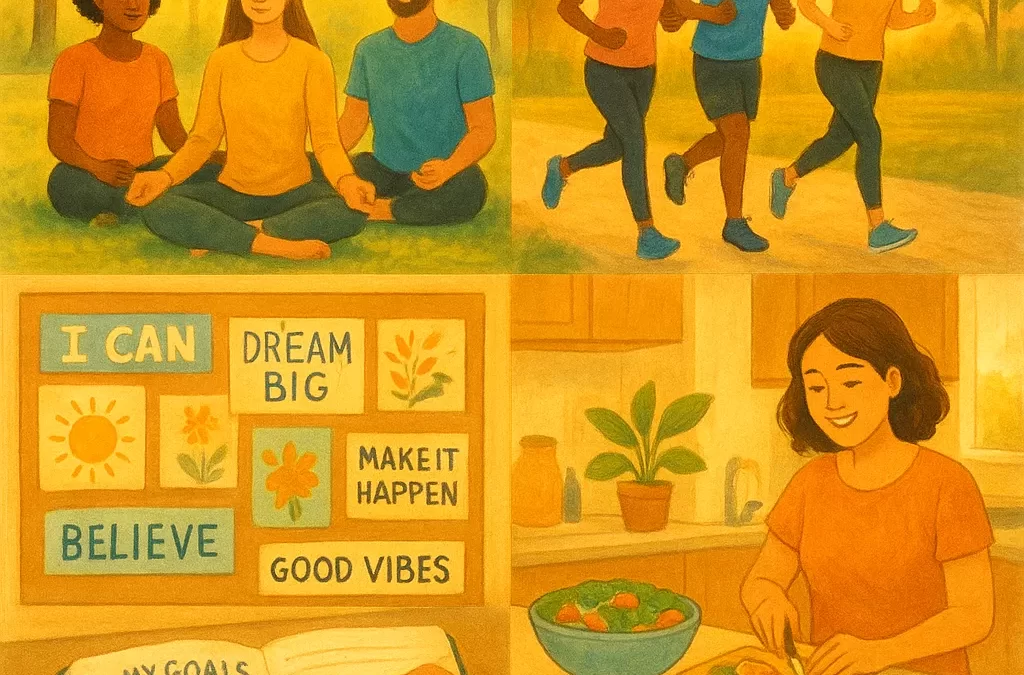
Effective Tips for Making a Positive Lifestyle Change That Lasts
What Are Some Effective Tips for Making a Positive Lifestyle Change That Lasts?
The most effective way to make a positive lifestyle change that lasts is to start small, set specific goals, and build consistent habits over time. Focusing on progress rather than perfection and seeking support from others are also key factors for sustainable change.
What Is a Lasting Positive Lifestyle Change?
A lasting positive lifestyle change is a meaningful adjustment in daily behaviors or routines that benefits your well-being over the long term. Unlike quick fixes, sustainable changes are gradual, realistic, and supported by healthy habits and motivational strategies.
How Can You Successfully Change Your Lifestyle and Stick With It?
Many people wonder: How do you make a healthy lifestyle change permanent? or What steps can you take to sustain positive changes in life? Let’s explore practical answers based on behavioral science and expert recommendations.
What Are the Most Effective Tips for a Positive Lifestyle Change?
Start Small and Specific: Choose one habit or area to improve and make your goal clear and manageable. For example, swap soda for water rather than attempting a complete diet overhaul.
Set SMART Goals: Your goals should be Specific, Measurable, Achievable, Relevant, and Time-bound. For instance: “Walk 20 minutes every weekday for the next month.”
Build Routines and Triggers: Tie your new habit to an existing part of your schedule, like meditating after brushing your teeth.
Track Progress Regularly: Use a journal, app, or calendar to monitor improvements and note setbacks. Seeing progress keeps motivation high.
Anticipate and Plan for Obstacles: Identify potential challenges and prepare solutions in advance – like keeping healthy snacks at your desk to avoid vending machines.
Find a Support System: Share your goals with friends, family, or support groups. Social accountability increases the likelihood of long-term change.
Reward Milestones: Celebrate small successes along the way to reinforce your commitment.
Focus on Identity Shift: Think of yourself as someone who lives the change you seek (“I am a non-smoker” or “I am a runner”).
Be Patient and Flexible: Results take time. Adjust your approach as needed and don’t give up after setbacks.
Examples: Lasting Lifestyle Changes and How to Sustain Them
Change Area
Example Habit
Strategy to Sustain
Related Entity
Nutrition
Eat more vegetables
Prep veggies in advance, set intake reminders
Healthy Eating, Meal Prep, Dietitians
Exercise
Regular walking
Buddy system, schedule walks on calendar
Physical Activity, Step Counter, Walking Groups
Mental Health
Daily meditation
Use app reminders, meditate same time daily
Mindfulness, Meditation Apps
Sleep
Fixed bedtime
Evening routine, limit screens, white noise
Sleep Hygiene, Sleep Trackers
What Are Key Concepts and Related Entities for Lifestyle Change?
Habit Formation: The process by which new behaviors become automatic, often discussed by experts like Charles Duhigg (author of “The Power of Habit”) and James Clear (“Atomic Habits”).
Behavioral Triggers: Reminders or cues that signal you to act, such as setting an alarm for workouts.
Accountability Partners: Individuals or groups who provide encouragement and hold you responsible for your goals.
Positive Reinforcement: Rewarding yourself for good behaviors to strengthen desired habits.
Growth Mindset: The belief, popularized by psychologist Carol Dweck, that abilities and intelligence can be improved with effort.
Why Are Lifestyle Changes Hard to Maintain, and What Helps?
Long-term change is difficult because habits are ingrained through repetition over time, often linked to emotional or environmental triggers. Stress, lack of clear goals, and unrealistic expectations can derail progress. Research shows that breaking changes into manageable steps, creating an environment that supports your goals, and practicing self-compassion all make change easier and more sustainable.
What Role Does Mindset Play in Lasting Change?
Mindset significantly influences your ability to stick with new behaviors. Adopting a growth mindset—viewing setbacks as learning opportunities—encourages persistence. Self-talk and visualization have been shown to help reinforce new identities and habits.
How Long Does It Take for a Lifestyle Change to Become Permanent?
According to a 2009 study by Dr. Phillippa Lally at University College London, it takes an average of 66 days for a new behavior to become automatic, though it can range from 18 to 254 days depending on the complexity of the habit and individual differences. Consistent repetition and forgiving occasional slip-ups are essential.
Quick Tips: How to Make a Positive Lifestyle Change Stick
Pick one realistic goal to start with
Write down your “why”
Break goals into tiny steps
Link new habits to existing routines
Record progress daily
Celebrate small wins
Get encouragement from others
Stay flexible and adapt as needed
What Are Other Ways People Ask About Lifestyle Change?
How can I make healthy habits last?
What’s the secret to sustaining positive changes?
How do I stick with new routines and avoid burnout?
What strategies help keep good habits going?
How do I prevent relapse after making changes?
Frequently Asked Questions (FAQs) About Lasting Lifestyle Changes
1. How do I stay motivated for long-term change?
Focus on your deeper reasons for wanting change, set up short-term rewards, and surround yourself with a supportive environment.
2. What if I fail or slip up?
Setbacks are a normal part of the process. Reflect, adjust, and start fresh—consistency matters more than perfection.
3. Can tracking my progress really make a difference?
Yes—self-monitoring keeps your goals top of mind and helps you notice patterns, increasing your chances of lasting success.
4. Should I change everything at once or just one thing?
It’s best to focus on one change at a time. Small, incremental changes are more likely to become lifelong habits.
5. How can I involve family or friends in my lifestyle changes?
Invite them to join your new routines, share your goals openly, and offer mutual support to boost accountability.
6. What if my motivation fades over time?
Revisit your goals, try new approaches, and remember that motivation naturally fluctuates—habit, not motivation alone, creates lasting change.
7. Are there tools or apps to help me?
Yes, habit trackers, reminders, and wellness apps can help you plan, track, and stay accountable for new behaviors.
In Summary: Key Takeaways for Making Positive Lifestyle Changes That Last
Making a lasting positive lifestyle change starts with small steps, clear goals, and consistent routines. By understanding the science of habit formation, leveraging accountability, and taking a flexible approach, you can create meaningful, lifelong improvements. Remember: the journey is as important as the destination—be patient, celebrate your progress, and continue building the life you envision.
“`
Leave a Reply