
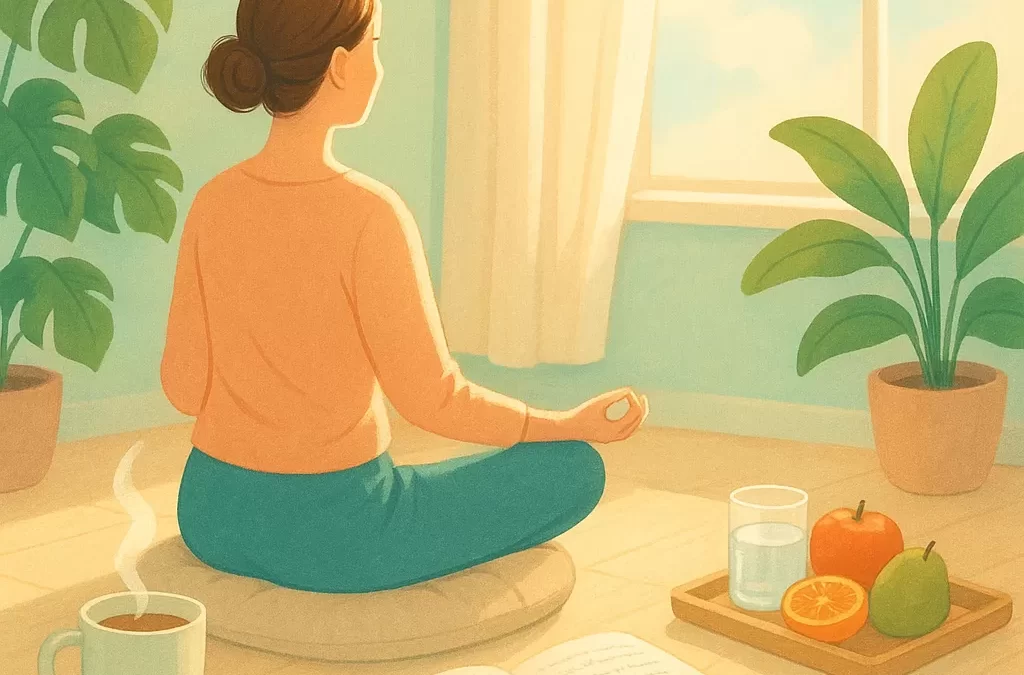
What are Some Simple Self Care Tips You Can Practice Every Day?
**Direct Answer:**
Simple self care tips you can practice every day include maintaining good hydration, taking short breaks for relaxation, nourishing your body with balanced meals, moving regularly, and setting healthy boundaries. Incorporating these small habits into your daily routine can help boost your mental, emotional, and physical well-being.
—
What is Self Care?
> **Definition:**
> _Self care_ refers to activities and practices that individuals engage in regularly to protect, maintain, and enhance their health and well-being. It involves personal responsibility and conscious actions that promote physical, mental, and emotional wellness.
Self care isn’t selfish — it’s essential. Whether you’re looking after your body, mind, or emotions, daily self care can help you manage stress, prevent burnout, and feel your best.
—
What Are Easy Self Care Habits To Try Every Day?
Embracing daily self care doesn’t have to be overwhelming. Here’s a table of **simple self care actions** and their benefits:
| Self Care Habit | Description | Key Benefits |
|————————-|——————————————-|——————————-|
| Drink Water | Stay hydrated throughout the day | Energy, clear mind |
| Mindful Breathing | Pause for deep, conscious breaths | Stress relief, focus |
| Healthy Meals | Eat regular, balanced meals | Nutrition, stable mood |
| Move Your Body | Stretch, walk, or exercise | Physical and mental health |
| Rest and Pause | Take short breaks to recharge | Prevent burnout, clarity |
| Set Boundaries | Say no when overwhelmed | Emotional resilience |
| Digital Detox | Limit screen time | Reduce anxiety, improve sleep |
| Gratitude Practice | Reflect on things you’re thankful for | Positive mindset |
| Sleep Routine | Go to bed and wake up consistently | Restorative sleep |
| Connect with Others | Reach out to friends or family | Emotional support |
—
How Can I Start Practicing Self Care Daily?
Building new habits is easier than you think! Start with one or two tips, then gradually add more as they become routine.
Drink Water Regularly
– **Why it matters:** Hydration is vital for energy and concentration.
– **Simple tip:** Keep a water bottle nearby and sip often.
Take Mindful Breaths
– **How to do it:** Pause for 30 seconds, inhale deeply, and exhale slowly.
– **Benefit:** Helps calm the nervous system and relieve tension.
Eat Balanced Meals
– **What helps:** Include fruits, vegetables, lean proteins, and whole grains at each meal.
– **Tip:** Plan ahead to avoid skipping meals or unhealthy snacking.
Move Your Body
– **Options:** A quick walk, stretching, or a short home workout.
– **Why:** Boosts mood, circulation, and energy levels.
Practice Gratitude
– **How:** Write down 1-3 things you’re grateful for each morning or night.
– **Result:** It shifts focus to positivity and can build resilience.
—
What Are Examples of Emotional and Mental Self Care?
While physical self care is important, emotional and mental self care help foster inner balance. Here are some ideas:
Set Boundaries
– **Why it matters:** Protects your time and energy.
– **How:** Politely decline extra commitments if you’re stretched thin.
Limit Screen Time
– **Benefit:** Reduces anxiety and mental fatigue.
– **Suggestion:** Designate “phone-free” times, like during meals or before bed.
Practice Mindfulness or Meditation
– **Technique:** Spend a few minutes focusing on your breath or use a guided meditation app.
– **Effect:** Enhances self-awareness and reduces stress.
Journaling
– **Why:** Writing thoughts and feelings can provide perspective and emotional release.
**Related Entities:**
– Mental health
– Mindfulness
– Digital detox
– Self compassion
– Resilience
—
How Do Daily Self Care Habits Benefit You?
Developing consistent self care practices has wide-ranging positive impacts, including:
– **Reduced Stress:** Calms your mind and body.
– **Better Sleep:** Promotes better rest through reduced anxiety and a set routine.
– **Improved Physical Health:** Supports immune function, digestion, and heart health.
– **Higher Productivity:** Boosts focus, creativity, and energy.
– **Greater Emotional Well-being:** Encourages positivity and resilience.
—
What’s the Relationship Between Self Care and Stress Management?
**Self care** and **stress management** are closely linked. Practicing daily self care—like setting boundaries, taking breaks, or moving your body—helps prevent stress from building up. Over time, these habits help you respond more calmly to challenges, which is key for both short-term and long-term well-being.
—
Can Self Care Include Social Activities?
Absolutely! Connecting with others is an important form of self care.
**Examples:**
– Call a friend or family member for a quick chat.
– Join a group activity or community class.
– Offer or ask for support when needed.
Maintaining healthy relationships supports emotional wellness and gives you a sense of belonging.
—
Table: Quick Self Care Actions for a Busy Day
| Time Needed | Self Care Action | Example |
|————–|————————-|————————–|
| 1 minute | Deep breathing | Inhale/exhale slowly |
| 5 minutes | Stretch your body | Neck, shoulders, arms |
| 10 minutes | Walk outside | Walk around the block |
| 15 minutes | Journaling | Write down thoughts |
| 20 minutes | Call a loved one | Friendly conversation |
—
Frequently Asked Questions (FAQ)
1. What are daily self care routines I can start with?
Begin with basics like drinking water, mindful breathing, stretching, and keeping a gratitude journal. Choose 1-2 actions you enjoy and make them part of your day.
2. How much time should I spend on self care each day?
Even five minutes can have a positive impact. Over time, aim for 20-30 minutes daily devoted to self care practices, but do what feels manageable for you.
3. Can self care be mental, not just physical?
Yes! Mental self care includes journaling, mindfulness, digital breaks, and practicing kindness toward yourself. Mental and emotional self care are as important as physical activities.
4. What are self care ideas for workdays?
Set reminders to stand, stretch, or breathe deeply. Take short breaks away from your desk, eat nourishing snacks, and limit unnecessary meetings or multitasking.
5. How does self care help with anxiety or overwhelm?
Regular self care regulates stress hormones and offers coping strategies. Actions like deep breathing, gratitude practice, and sleep routines specifically help reduce anxiety and prevent overwhelm.
6. Is social media part of self care?
Limiting social media can be self care, as it helps reduce comparison, news fatigue, and distractions. However, connecting intentionally with positive communities online can boost emotional well-being.
7. What’s the best way to remember to practice self care?
Set phone reminders, use habit-tracking apps, or pair new habits with existing routines (like breathing exercises before coffee). Consistency helps make self care automatic.
—
In Summary: Your Daily Self Care Checklist
– Drink enough water
– Eat nourishing meals
– Move your body daily
– Pause to rest and recharge
– Practice gratitude or journaling
– Set healthy boundaries
– Limit screen time, especially before bed
– Connect with supportive people
Making these small, intentional choices adds up to big benefits for your body, mind, and spirit. Self care is something you deserve every day.
—
“`
Leave a Reply