
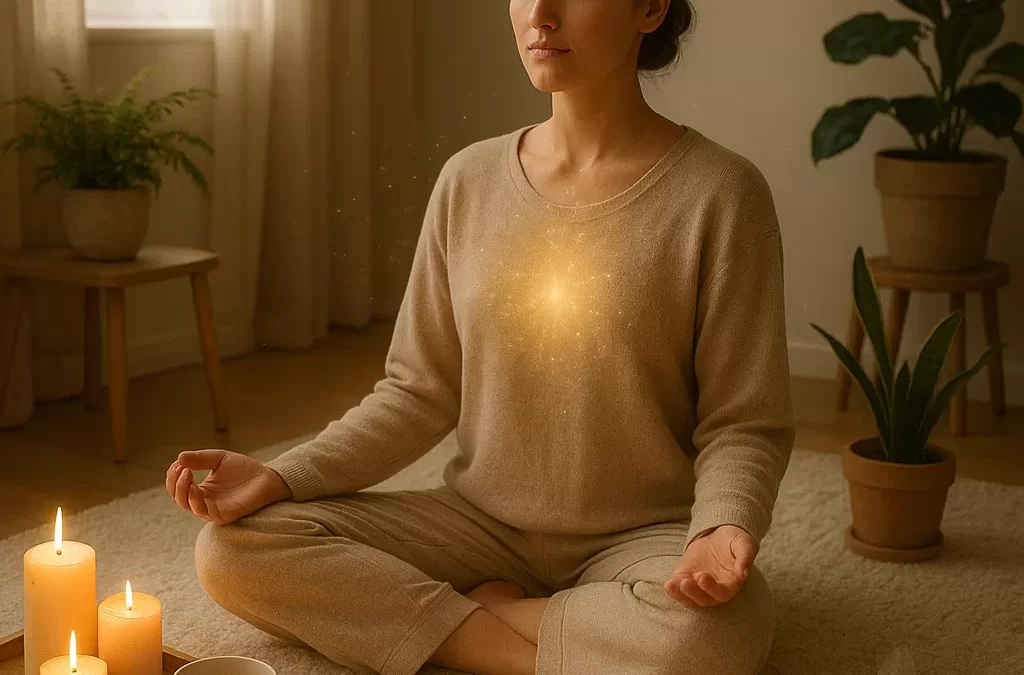
Effective Self Healing Techniques You Can Practice at Home
What Are Some Effective Self Healing Techniques You Can Practice at Home?
Effective self healing techniques you can practice at home include mindfulness meditation, deep breathing, gentle movement like yoga, journaling, and mindful self-care routines. These evidence-based methods support mental, emotional, and physical health without requiring specialized tools or professional supervision.
What Does Self Healing Mean?
Definition Box:
Self healing refers to the process of actively engaging in practices that promote physical, mental, and emotional well-being, enabling your body and mind to restore balance, recover from stress, and maintain optimal health.
Related entities: self-care, self-regulation, resilience, wellness routines
How Can I Heal Myself at Home? (Direct Steps)
There are many ways to engage in self healing at home. The most effective strategies target not just your body, but also your mind and emotions. Here are some proven self healing techniques you can begin right away:
1. Mindfulness and Meditation
Mindfulness involves focusing your attention on the present moment, often using meditation exercises. Research shows mindfulness reduces stress, anxiety, and even supports physical healing processes.
Sit comfortably, close your eyes, and focus on your breath for 5–10 minutes daily.
Apps like Headspace or Calm can offer guided meditations.
Related concepts: Mindfulness, breath awareness, body scan meditation
2. Breathwork and Deep Breathing
Deep, conscious breathing helps calm the nervous system, alleviates anxiety, and supports emotional regulation.
Try 4-7-8 Breathing: Inhale 4 seconds, hold for 7, exhale for 8.
Alternate nostril breathing (Nadi Shodhana) balances both hemispheres of the brain.
Entity connection: Parasympathetic nervous system activation
3. Gentle Movement (Yoga, Stretching, Tai Chi)
Moving your body gently increases circulation, releases muscle tension, and can boost endorphin (the “feel-good” hormone) levels.
Begin with basic yoga poses like Child’s Pose, Cat-Cow, or seated twists.
Try guided tai chi or stretching routines to promote flexibility and relaxation.
Connected practices: Somatic exercises, mobility routines, movement therapy
4. Journaling and Expressive Writing
Writing about your thoughts and emotions helps process stress, fosters clarity, and can promote self-awareness.
Set a timer for 10 minutes and write without judgement about how you feel.
Gratitude journaling reinforces a positive mindset.
Linked concepts: Cognitive processing, emotional regulation
5. Visualization and Guided Imagery
Visualization techniques encourage your mind to imagine positive outcomes or safe, healing spaces—helping shift your mindset and reduce stress hormones.
Picture yourself in a serene place, using detailed sensory descriptions.
Listen to guided imagery tracks for guided relaxation.
Related terms: Mind-body connection, neuroplasticity
6. Self Massage and Acupressure
Using your hands or simple tools to apply gentle pressure or massage can relieve muscle tension, improve circulation, and increase relaxation.
Gently massage tense areas, such as your neck, shoulders, or feet.
Acupressure points like the “union valley” (between thumb and index finger) reduce headache tension.
Connected topics: Trigger points, lymphatic drainage
7. Mindful Self-Care and Routine Building
Create daily rituals that nurture your body and mind—such as warm baths, herbal teas, or soothing music—establishing consistency in self care.
Set aside non-negotiable time for activities that support well-being.
Monitor how your choices affect your mood and energy levels.
Entity associations: Routine, habit formation, lifestyle medicine
Summary Table: Self Healing Techniques and Benefits
Technique
Main Benefit
Time Needed
Related Concepts
Mindfulness Meditation
Stress reduction, emotional balance
5-15 min
Presence, awareness, neuroplasticity
Breathwork
Calm nervous system, improve focus
2-10 min
Autonomic function, relaxation response
Yoga/Stretching
Release tension, improve mobility
5-30 min
Endorphins, flexibility
Journaling
Emotional processing, stress relief
5-15 min
Cognitive therapy, self-reflection
Visualization
Shift mindset, ease anxiety
3-10 min
Mind-body, imagery
Self Massage
Relieve pain & tension
5-10 min
Somatic self-care, acupressure
Routine Self-Care
Resilience, overall well-being
Ongoing/daily
Lifestyle, habit
Entity Connections: How Are Self Healing Techniques Related?
Self healing methods are interrelated practices that all contribute to holistic wellness. Mindfulness, breathwork, movement, and expressive outlets like journaling improve overall resilience—a person’s ability to recover from stressors. Many of these techniques also positively influence the autonomic nervous system, support neuroplasticity (the brain’s ability to change), and foster a mind-body connection. Incorporating multiple self healing practices at home strengthens both physical and emotional health.
Question Variations: Other Ways People Ask This
How can I practice self healing from home?
What are simple self healing methods for beginners?
What are natural at-home healing techniques?
How do I start self healing on my own?
What self-care routines can help me heal?
Choosing the Right Self Healing Technique for You
Everyone responds differently to self healing practices. You may want to experiment and notice which methods make you feel more balanced and relaxed. Start small—choose one or two techniques, like deep breathing and journaling, and gradually build your self healing routine over time.
Frequently Asked Questions About Self Healing at Home
1. Can self healing techniques replace medical treatment?
No. Self healing practices are valuable for supporting well-being, reducing stress, and fostering resilience, but they do not replace medical care for serious or persistent health conditions. Always consult healthcare professionals as needed.
2. How quickly can I experience benefits from self healing?
Some techniques, like deep breathing or short meditations, can offer immediate relaxation. Lasting changes in mood, stress, or physical symptoms may take days to weeks of regular practice.
3. Do I need any special tools or equipment?
Most self healing techniques—such as breathwork, meditation, or journaling—require little to no equipment. Comfortable clothes, a quiet space, and a journal may be helpful.
4. How do I stay motivated to keep practicing self healing?
Create a simple, realistic routine. Track your feelings or progress in a journal, and remind yourself of the benefits. Finding an online community or using guided practices can also provide encouragement.
5. Can children or older adults benefit from self healing techniques?
Yes. Practices like gentle movement, breathing exercises, and gratitude journaling are safe and adaptable for different age groups. Adjust routines to individual ability and comfort.
6. Are there risks with self healing practices?
Generally, self healing techniques are safe, but always listen to your body. Avoid movements or exercises that cause pain, and seek professional advice if you have medical concerns.
7. What are some signs that self healing is working?
You may notice improved mood, decreased stress, better sleep, greater self-awareness, or a sense of calm. Long-term benefits can include greater resilience and healthier coping strategies.
Key Takeaways
Self healing is an accessible, evidence-based way to support physical and emotional health from home.
Techniques like mindfulness, breathwork, movement, journaling, and self-care routines can be practiced by anyone, at any level.
Experiment to find the right combination that fits your lifestyle and goals.
While beneficial, self healing does not replace medical treatment for serious conditions.
“`
Leave a Reply