
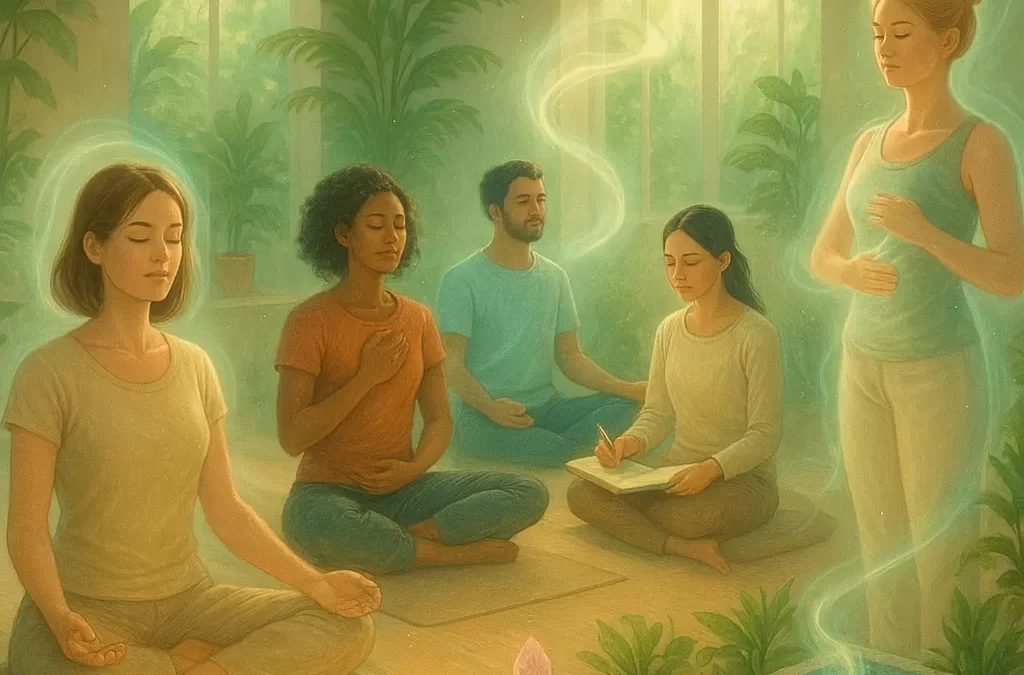
Most Effective Self-Healing Techniques for Reducing Stress and Improving Well-Being – Answer Optimized
What Are the Most Effective Self-Healing Techniques for Reducing Stress and Improving Well-Being?
The most effective self-healing techniques for reducing stress and improving well-being include mindfulness meditation, deep breathing exercises, physical movement such as yoga or tai chi, and practices that foster emotional awareness and self-compassion. These approaches are widely recommended by wellness experts and supported by scientific research for their ability to lower stress, increase emotional resilience, and enhance overall mental and physical health.
What Are Self-Healing Techniques?
Self-healing techniques are practical methods or activities that individuals can use on their own to restore balance, manage stress, and enhance their mental, emotional, and physical well-being. These techniques leverage the body and mind’s natural capacity to recover, adapt, and build resilience against stressors.
Why Do People Seek Self-Healing Methods?
People turn to self-healing techniques to:
Reduce stress and anxiety naturally
Regain a sense of control and inner peace
Support recovery from emotional or physical discomfort
Boost resilience and overall quality of life
Complement traditional therapies or medical treatments
What Are the Most Effective Self-Healing Techniques for Stress Relief?
When looking for fast and sustainable stress relief and well-being improvement, the following self-healing practices are considered most effective:
1. Mindfulness Meditation
What is it? The practice of focusing attention on the present moment non-judgmentally (entity: mindfulness, meditation)
How does it work? Reduces stress hormones, enhances emotional regulation, and builds awareness of thoughts and feelings
Getting started: Use guided meditations (apps or online) or practice solo by paying attention to breathing and sensations for 5–15 minutes daily
2. Deep Breathing Exercises
What is it? Conscious, slow, and deep breathing techniques (entity: diaphragmatic breathing, box breathing, 4-7-8 technique)
How does it work? Activates the parasympathetic nervous system, lowers heart rate, reduces cortisol, and brings rapid relaxation
How to practice:
Inhale deeply through the nose (4 counts)
Hold breath gently (4 counts)
Exhale slowly through the mouth (4 counts)
Repeat for a few minutes
3. Physical Movement (Yoga, Tai Chi, Walking)
What is it? Practices that combine gentle movement, breath, and focus
Examples: Gentle yoga, tai chi, outdoor walking, or mindful stretching
Benefits: Releases physical tension, increases endorphins, calms the mind, and improves sleep quality
4. Journaling and Expressive Writing
What is it? Writing down thoughts, emotions, and experiences to process stress (entity: expressive writing, gratitude journaling)
How does it help? Helps clarify worries, release negative emotions, and foster self-discovery and gratitude
How to begin: Set aside 5-10 minutes daily to write freely or use prompts, such as “What am I grateful for today?”
5. Self-Compassion Techniques
What is it? Treating yourself with kindness, especially under stress (entity: self-kindness, self-acceptance, positive affirmations)
Benefits: Reduces self-criticism and promotes emotional healing and resilience
Example practice: Speak to yourself as you would to a friend; repeat affirmations like “It’s okay to feel this way.”
6. Progressive Muscle Relaxation (PMR)
What is it? Systematically tensing and relaxing muscle groups (entity: PMR, relaxation response)
Purpose: Alleviates physical tension linked to stress and fosters mind-body connection
Comparison Table: Self-Healing Techniques for Stress and Well-Being
Technique
Main Benefit
Difficulty
Time Needed
Best For
Mindfulness Meditation
Stress & anxiety reduction, emotional balance
Low
5-15 min/day
General stress, emotional overload
Deep Breathing
Rapid relaxation, lowers heart rate
Very Low
1-5 min/session
Acute stress episodes, anxiety spikes
Yoga/Tai Chi
Physical & mental relaxation, improves mood
Moderate
20-30 min/session
Chronic stress, muscle tension
Journaling
Emotional processing, gratitude
Low
5-10 min/day
Self-reflection, emotional clarity
Self-Compassion
Greater self-worth, reduced self-criticism
Low
As needed
Negative self-talk, perfectionism
Progressive Muscle Relaxation
Physical relaxation, mind-body connection
Low
10-15 min/session
Tension, insomnia, high stress
How Do These Self-Healing Practices Work Together?
Many experts, including psychologists and holistic wellness practitioners, recommend combining several techniques for best results. For instance, starting with deep breathing, followed by a few minutes of mindful movement, and ending with a short gratitude journal entry can create a holistic self-care routine. This multi-modal approach addresses stress on physical, emotional, and mental levels and builds adaptability over time.
How Is Self-Healing Connected to Mind-Body Wellness?
Self-healing techniques are core components of mind-body practices, which recognize the interconnectedness between mental, emotional, and physical health. Stress management, emotional regulation, and body relaxation reinforce each other, enhancing overall well-being.
Entity relationship example: Mindfulness meditation enhances emotional clarity, which supports positive thinking patterns, which in turn helps reduce stress-related physical symptoms.
Common Variations: How Else Do People Ask About Self-Healing Techniques?
What are the best stress reduction strategies for self-care?
How can I practice self-healing at home?
Which self-care techniques help reduce anxiety quickly?
What are effective holistic remedies for well-being?
How do I start a routine to heal myself emotionally?
What mind-body approaches work for relieving stress?
Frequently Asked Questions (FAQ)
1. What is the fastest self-healing technique for immediate stress relief?
Deep breathing exercises—such as box breathing or the 4-7-8 method—work rapidly to calm the nervous system and lower stress levels in just a few minutes.
2. Can self-healing techniques replace professional care?
Self-healing methods are powerful for day-to-day stress and well-being, but they are best used as complementary approaches. If you have severe, ongoing stress, anxiety, or depression, consult a mental health professional for tailored treatment.
3. How often should I practice self-healing techniques?
Most experts recommend practicing one or more techniques daily for maximum benefit—just five to fifteen minutes can make a positive difference over time.
4. Are there self-healing methods suitable for children or teens?
Yes. Techniques like mindful breathing, journaling, gentle yoga, and self-compassion can be easily adapted for younger age groups with proper guidance and supervision.
5. What tools or apps help with self-healing practices?
Popular apps include Headspace and Calm for guided meditation, Insight Timer for breathing and PMR, and journaling apps such as Day One and Journey for expressive writing.
6. How do self-healing and self-care differ?
Self-healing focuses specifically on inner healing and stress reduction, often using mind-body techniques. Self-care is a broader term that includes any activity to preserve or improve overall health, such as sleep, nutrition, and social connection.
7. What evidence supports self-healing practices?
Decades of research highlight proven benefits of techniques like mindfulness, yoga, and deep breathing for reducing stress, lowering anxiety, and enhancing resilience and overall well-being. Many practices are endorsed by clinical psychology and integrative medicine fields.
Key Takeaways
Effective self-healing techniques include meditation, deep breathing, mindful movement, journaling, and self-compassion practices
Combining methods addresses stress holistically and leads to better long-term results
These techniques are simple to learn, require little to no equipment, and can be practiced at home or anywhere
Consistency and self-kindness are essential for maximizing benefits
“`
Leave a Reply