
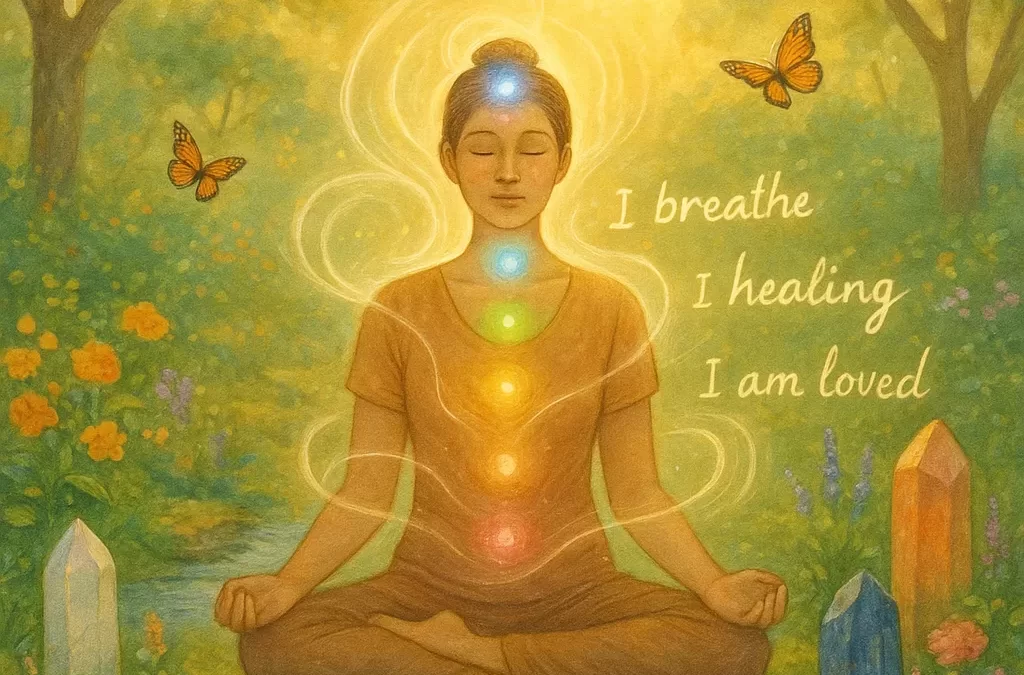
Effective Self-Healing Techniques for Mental and Physical Well-Being
Self-healing techniques, such as mindfulness meditation, deep breathing exercises, physical activity, and intentional self-care, are effective ways to improve both mental and physical well-being. These practices activate the body’s natural healing responses and support emotional balance, stress reduction, and enhanced resilience. Incorporating self-healing methods into daily life can lead to noticeable improvements in mood, energy, and overall health.
What Are Self-Healing Techniques?
Self-healing techniques are intentional activities and habits that individuals use to promote their own mental, emotional, and physical recovery without relying solely on external intervention. These can include mind-body practices, therapeutic movements, nutritional adjustments, and psychological strategies.
How Do Self-Healing Techniques Improve Well-Being?
Self-healing methods work by engaging the mind-body connection, activating the parasympathetic nervous system, and encouraging the body’s innate ability to repair itself. They help manage stress, regulate emotions, and support natural immune responses, ultimately fostering a sense of balance and vitality.
What Are the Most Effective Self-Healing Techniques?
1. Mindfulness Meditation
Description: Focusing on the present moment to cultivate awareness and acceptance of thoughts and feelings.
Benefits: Reduces anxiety, improves emotional regulation, and enhances concentration.
How to Practice: Sit quietly, focus on your breath, and gently bring your attention back when distracted.
2. Deep Breathing Exercises
Description: Controlled breathing techniques to calm the nervous system.
Benefits: Lowers heart rate, reduces stress hormone levels, and supports relaxation.
How to Practice: Inhale slowly through the nose, hold, then exhale gently through the mouth.
3. Physical Activity & Movement
Description: Engaging in regular exercise, such as walking, yoga, or stretching.
Benefits: Boosts mood, increases energy, improves immune function, and supports brain health.
How to Practice: Aim for at least 20-30 minutes of moderate exercise most days.
4. Nutrition and Hydration
Description: Eating a balanced diet rich in whole foods and staying well-hydrated.
Benefits: Supports cellular repair, improves energy levels, and enhances clarity of mind.
How to Practice: Choose fruits, vegetables, whole grains, lean proteins, and drink water regularly.
5. Journaling and Emotional Release
Description: Writing down thoughts and feelings to process emotions and gain insight.
Benefits: Decreases mental clutter, enhances self-awareness, and supports emotional healing.
How to Practice: Set aside time daily to write freely about your experiences and reflections.
6. Quality Sleep and Rest
Description: Prioritizing consistent, restorative sleep patterns.
Benefits: Facilitates physical repair, cognitive processing, and emotional balance.
How to Practice: Maintain a regular sleep schedule and create a calming bedtime routine.
7. Grounding and Nature Connection
Description: Reconnecting with the natural world through activities like walking barefoot or spending time outdoors.
Benefits: Reduces anxiety, boosts immune function, and enhances overall wellbeing.
How to Practice: Engage in outdoor activities, gardening, or nature walks regularly.
Quick Reference: Self-Healing Techniques and Their Effects
Technique
Main Benefit
Recommended Frequency
Mindfulness Meditation
Reduces stress, increases awareness
5-20 minutes daily
Deep Breathing
Immediate relaxation, lowers anxiety
As needed throughout the day
Physical Activity
Improves mood, boosts energy
20-30 minutes, 3-5x per week
Balanced Nutrition
Supports healing, raises energy
Consistently
Journaling
Emotional processing
3-5x per week
Quality Sleep
Physical and mental restoration
7-9 hours nightly
Nature Connection
Reduces stress hormones
15-30 minutes daily
Other Questions People Ask about Self-Healing Techniques
How can I start self-healing if I have never tried before?
Begin by choosing one simple practice, like daily deep breathing or a five-minute mindfulness meditation. Gradually introduce new techniques, listening to your body and preferences, and build a routine that feels manageable and enjoyable.
Do self-healing methods work for both mental and physical health?
Yes. Self-healing techniques, such as exercise, sleep hygiene, and mindfulness, benefit both mental (reducing anxiety, improving focus) and physical health (immune support, lower blood pressure).
What is the science behind self-healing?
Self-healing activates the parasympathetic nervous system, reduces inflammation, and balances neurochemistry. Research highlights how techniques like meditation and yoga decrease cortisol (stress hormone) and increase endorphins and immune activity.
Are there self-healing techniques for chronic pain?
Yes, methods like gentle movement (yoga, stretching), body scanning, and mindful breathing can help manage chronic pain. These techniques encourage muscle relaxation and alter pain perception pathways.
How does connecting with nature support healing?
Spending time outdoors lowers cortisol, boosts mood, and restores focus. Studies suggest that even brief exposure to nature enhances recovery from stress and improves feelings of well-being.
Can self-healing replace medical treatment?
Self-healing techniques are complementary and supportive but not replacements for professional care. Use them alongside prescribed medical treatments, and consult a healthcare provider for serious conditions.
What role does social connection play in self-healing?
Supportive relationships are crucial; positive social interactions improve emotional resilience, reduce loneliness, and contribute to faster healing both mentally and physically.
Putting It All Together: A Self-Healing Routine
Building a personalized self-healing routine can be as simple as combining several techniques:
Start your day with 5 minutes of deep breathing or meditation
Take a brisk walk or stretch during breaks
Eat mindfully and stay hydrated
Jot down thoughts and gratitude entries in the evening
Prioritize restful, consistent sleep
Spend time in natural light and fresh air when possible
Key Concepts and Related Entities
Mind-Body Medicine: Approaches that use the interactions between mind and body for healing
Stress Reduction: Key outcome of most self-healing practices
Parasympathetic Nervous System: The “rest and digest” part of the autonomic nervous system
Resilience: The ability to recover from stress, supported by self-healing routines
Emotional Well-Being: Targeted by mindfulness, journaling, and social connection
Physical Homeostasis: Achieved with sleep, nutrition, and movement
Summary: Why Use Self-Healing Techniques?
Self-healing techniques are easy-to-adopt, science-backed tools for improving mental clarity, emotional balance, and physical vitality. Whether you’re managing stress, enhancing resilience, or supporting recovery, these practices offer a practical approach to holistic well-being that you can tailor to your unique needs.
“`
Leave a Reply