
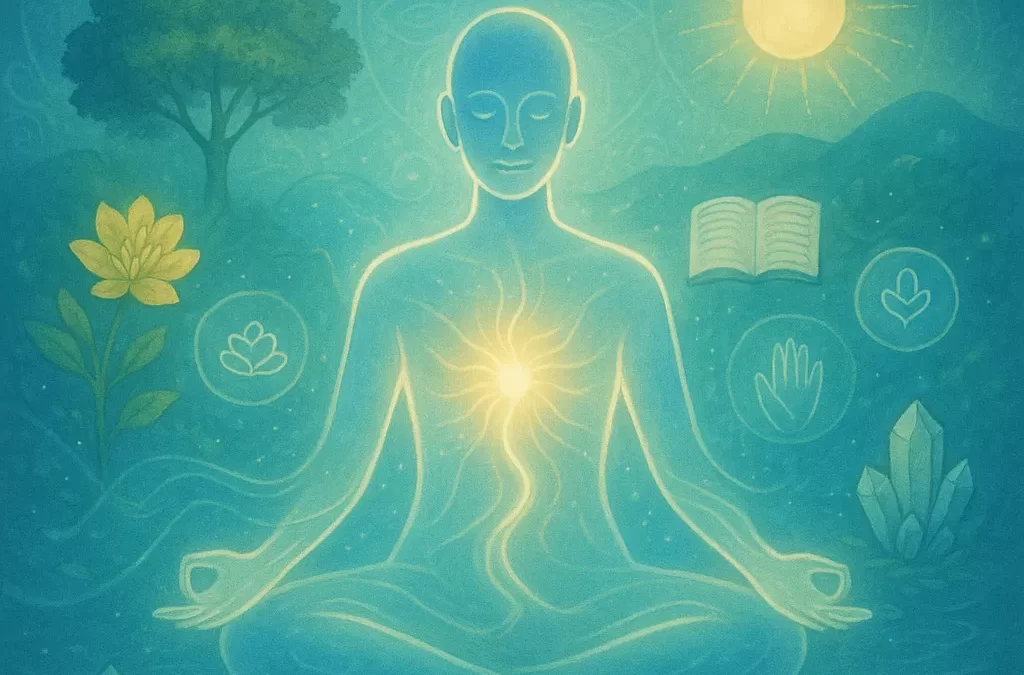
How Does Self Healing Work and What Are Some Effective Techniques?
Self healing works by activating your body and mind’s natural ability to restore balance, repair, and maintain health. You can practice self healing daily by combining evidence-based techniques such as mindfulness, breathwork, body movement, and positive thinking to boost resilience and well-being.
Wondering how self healing really works and how you can practice it every day? This article explains what self healing is, the science behind it, and simple, effective self healing techniques to easily integrate into your routine. Let’s explore the power of self healing in your daily life.
What is Self Healing and How Does It Work?
Defining Self Healing
Self Healing: The process by which the body and mind repair and restore themselves naturally, often enhanced by specific practices that encourage physical, emotional, or spiritual balance.
Self healing is your innate capacity to heal from physical, emotional, or psychological stress without external intervention. It uses internal biological processes like tissue repair and nervous system regulation, as well as psychological mechanisms such as resilience and self-compassion.
How Does Self Healing Work Scientifically?
Homeostasis: Your body constantly strives to maintain internal balance to support health.
Nervous System Regulation: Practices like mindfulness help shift you from “fight-or-flight” to “rest-and-digest” mode, which is optimal for healing.
Placebo & Expectation: Believing in healing can activate the brain’s natural painkillers and immune response.
Key Elements in Self Healing
Body System
Role in Self Healing
Immune System
Fights infection, repairs tissue, reduces inflammation
Nervous System
Regulates stress response, supports relaxation and recovery
Endocrine System
Balances hormones that impact mood, energy, and immunity
Mental & Emotional Processes
Builds resilience, self-compassion, and fosters a healing mindset
What Are Some Effective Daily Self Healing Techniques?
What Are Simple Practices to Boost Self Healing?
The following proven techniques support mind-body healing and can be easily woven into your everyday routine:
Mindful Breathing
Take slow, deep breaths for a few minutes to calm your mind and body.
Quick Tip: Try “4-7-8 breathing”—inhale for 4 seconds, hold for 7, exhale for 8.
Body Scan or Relaxation
Slowly focus attention on each part of your body and consciously relax it.
Great before bed for improved sleep and tension relief.
Positive Self-Talk
Notice negative inner dialogue and gently replace with compassionate, encouraging words.
Example: Instead of “I can’t do this,” try “I’m learning to heal in my own way.”
Gentle Movement
Practices like yoga, tai chi, or walking regulate energy, improve mood, and support the body’s repair systems.
Journaling or Expressive Writing
Write about your feelings, challenges, or hopes to promote emotional release and insight.
Gratitude Practice
Each morning or evening, note 1-3 things you are grateful for to shift perspective and enhance resilience.
Visualization
Picture your body or mind healing and functioning at its best. This can influence motivation, mood, and self-healing pathways.
How Can You Start Self Healing Every Day?
Quick Steps to Practice Self Healing Daily
Set an intention each morning (e.g., “Today I choose balance and healing”).
Incorporate at least one mind-body practice (like breathing or movement) into your schedule.
Pause for check-ins: ask yourself, “What do I need right now to support my healing?”
Prioritize good sleep, hydration, and wholesome nutrition—these are foundations of self-repair.
Sample Daily Self Healing Routine
Example: Self Healing Day Plan
Time
Activity
Purpose
Morning
5 minutes mindful breathing + gratitude journaling
Set tone for the day; initiate relaxation and positivity
Midday
10-minute walk or stretch break
Release tension; improve circulation and mood
Afternoon
Pause for self-talk check and hydration
Maintain self-compassion and physical balance
Evening
Body scan meditation before sleep
Support restful sleep; enhance body awareness
What Other Concepts Relate to Self Healing?
Mind-Body Connection: The interdependence of mental, emotional, and physical health.
Resilience: Your ability to bounce back from stress or adversity, boosting healing capacity.
Neuroplasticity: The brain’s ability to reorganize and adapt, supporting mental self healing.
Self-Compassion: Treating yourself with kindness, especially during challenges, can accelerate healing.
Holistic Wellness: Addressing body, mind, and spirit as interconnected in overall health.
Why Is Daily Practice Important for Self Healing?
Like physical fitness, self healing builds through consistent small efforts. Repeated practices rewire the brain, regulate stress hormones, and strengthen immune responses. Even a few mindful minutes a day has measurable health impacts over time.
Frequently Asked Questions about Self Healing
1. Can anyone learn to self heal?
Yes, most people can benefit from self healing techniques and strengthen their natural healing ability through practice and intention.
2. How long does it take to see results from self healing?
Some benefits, like relaxation, can be immediate, while deeper changes may take weeks or months of consistent effort. Regular practice is key.
3. Is self healing a substitute for medical treatment?
No, self healing is complementary and should not replace professional medical care. It supports overall well-being, alongside appropriate treatment.
4. What are some signs self healing is working?
More energy, better sleep, improved mood, and greater resilience are common indicators. You may also notice reduced stress or clearer thinking.
5. Can children or older adults practice self healing?
Absolutely. Self healing techniques can be adapted for all ages and are beneficial throughout life stages.
6. What’s the role of nutrition and sleep in self healing?
Both are foundational. Healthy nutrition and restful sleep enable the body to repair, recover, and support mental health, making them essential to self healing.
7. Do practices like meditation, yoga, or tai chi really help with self healing?
Research shows these mind-body techniques are effective in reducing stress, strengthening resilience, and supporting the body’s repair mechanisms.
Conclusion: Making Self Healing Part of Your Life
To sum up, self healing activates your body and mind’s natural repair mechanisms through a blend of daily self-care, mindfulness, and healthy routines. By starting small and practicing consistently, you can cultivate resilience, support your health, and develop lifelong habits that empower you to heal from within.
“`
Leave a Reply