
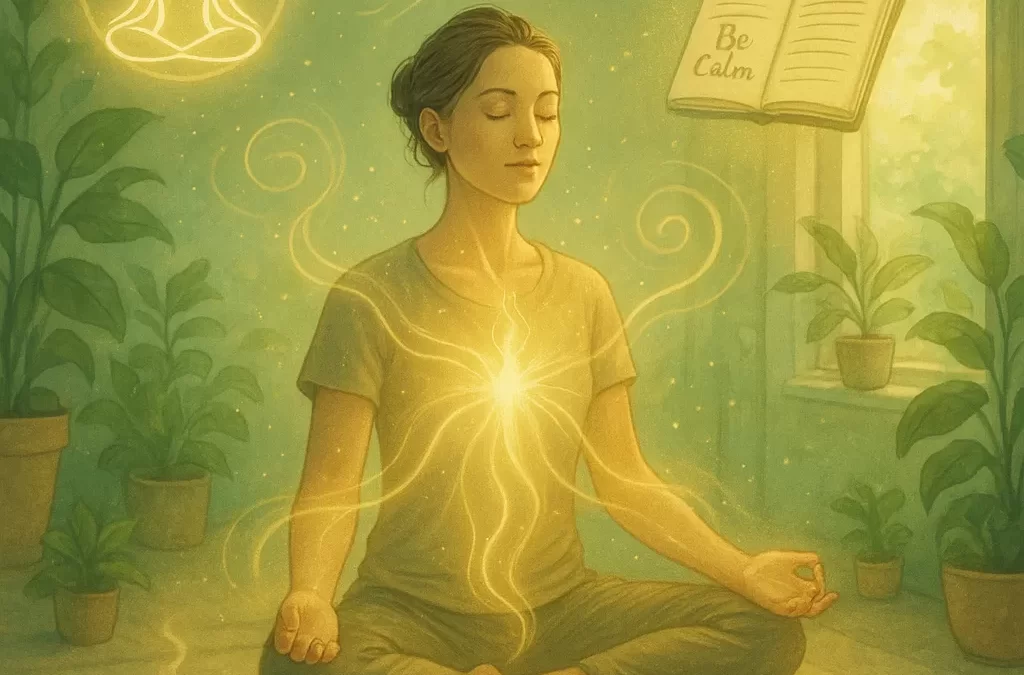
How Does Self-Healing Work and What Are Effective Techniques to Start?
How Does Self-Healing Work and What Are Some Effective Techniques to Start the Process?
Self-healing is the process by which individuals use their mind, body, and emotions to restore balance and wellbeing, often without external medical intervention. Effective self-healing involves awareness, intentional practice, and supportive techniques such as mindfulness, journaling, and movement. Starting the process is accessible to anyone willing to practice simple daily actions that foster self-connection and holistic health.
What Is Self-Healing?
Definition: Self-healing refers to an individual’s ability to activate their body’s natural recovery systems—physically, emotionally, and mentally—to return to a state of optimum health, often by harnessing self-awareness, intention, and lifestyle choices.
How Does Self-Healing Work?
People often ask, “How can my body heal itself?” or “What is the science behind self-healing?” Here’s a simple breakdown:
Biological Response: The human body is designed with natural repair systems, such as immune function, tissue regeneration, and hormonal balance.
Mind-Body Connection: Emotions and thoughts can impact physical health. Techniques like meditation or guided imagery trigger relaxation responses, reduce stress hormones, and support healing processes (referenced in the field of mind-body medicine).
Holistic Approach: Self-healing often considers the whole person—physical, emotional, mental, and sometimes spiritual. Practices like yoga, breathwork, and mindful movement support this comprehensive recovery.
What Are the First Steps to Begin Self-Healing?
If you’re wondering, “How do I start healing myself?” or “What are easy first steps for self-healing?” begin by:
Noticing Signals: Tune into your body and emotions. Recognizing where you feel pain, tension, or persistent negative thoughts raises self-awareness.
Setting Intentions: Create a simple, positive purpose for your healing journey, such as “I want to feel calm” or “I choose to nourish my body.”
Choosing Consistent Practices: Pick 1-2 techniques to begin with—like daily journaling or five minutes of mindful breathing.
What Are the Most Effective Self-Healing Techniques?
Technique
Main Benefit
Related Fields/Concepts
Mindfulness Meditation
Reduces stress and promotes emotional clarity
Mind-body medicine, psychology, neuroplasticity
Journaling
Processes emotions and gains self-insight
Cognitive behavioral therapy (CBT), expressive writing
Breathwork
Regulates nervous system, enhances relaxation
Yoga, trauma-informed therapy, vagus nerve stimulation
Physical Movement
Boosts mood and body awareness
Yoga, Tai Chi, dance therapy, exercise physiology
Visualization
Encourages positive mindset, supports healing imagery
Guided imagery, sports psychology, hypnosis
Nature Immersion
Balances mood, reduces anxiety
Ecotherapy, forest bathing (Shinrin-yoku)
How to Begin With Self-Healing: Step-by-Step Guide
1. Create a Calming Environment
Find a quiet space, add soothing elements (plants, calming lights), and minimize distractions. Environment influences your ability to focus and relax.
2. Practice Simple Mindful Breathing
Sit comfortably with your back straight.
Close your eyes and take a slow, deep breath in through your nose, count to four.
Hold for one second, then exhale gently through your mouth to the count of four.
Repeat for 5–10 cycles. This technique activates your parasympathetic nervous system, supporting healing.
3. Start a Daily Journal
Write about how you feel physically and emotionally. Not sure what to write? Try prompts like “Today I noticed…” or “Right now, my body feels…”
4. Try Guided Visualization
Listen to an audio or script that leads you through peaceful mental imagery, imagining yourself healthy, calm, and balanced. This can rewire habitual stress responses.
5. Gentle Movement
Try stretching, yoga, or a short walk.
Pay attention to bodily sensations as you move, connecting mind and body.
What Influences Self-Healing? Related Concepts
Neuroplasticity: The brain’s ability to rewire itself through new experiences, relevant in emotional and mental self-healing.
Placebo Effect: The power of belief and expectation in the healing process, studied widely in medical and psychological sciences.
Resilience: The process of adapting well to stress, adversity, or trauma. Building resilience boosts self-healing capacity.
Self-Compassion: Treating yourself kindly, supporting emotional recovery and stress management.
Common Questions: Self-Healing Explained
What is the fastest way to start self-healing? The fastest way is to begin right now with mindful breathing or self-reflection—just five minutes can activate your body’s calming mechanisms.
Can self-healing replace medical treatment? Self-healing is a supportive practice. It complements, but should not replace, professional care for serious or ongoing health issues.
Is self-healing only about mental health? No—self-healing integrates mental, emotional, and physical practices, recognizing the interconnectedness between mind and body.
How do I know which self-healing technique will work for me? Try several methods and observe which help you feel calmer, more clear, or more energized. Personal preference and needs are key.
Do I need experience with meditation or yoga to start self-healing? No prior experience is needed. Simple techniques like slow breathing or journaling are accessible for beginners.
What if self-healing feels ineffective? Healing is a gradual process. If a technique isn’t working, try a different approach, consult a trusted professional, or allow more time for benefits to appear.
Are there resources or communities to support self-healing? Yes, online groups, apps (such as Insight Timer or Calm), and local wellness classes offer resources and connection.
Summary: Starting Your Self-Healing Journey
Self-healing works by leveraging your body and mind’s natural restorative abilities, guided by awareness, intention, and regular supportive practices. To start, notice where you need healing, try accessible techniques like mindful breathing, journaling, or gentle movement, and repeat daily. Over time, these small actions can bring balance, clarity, and resilient health both physically and emotionally.
“`
Leave a Reply