
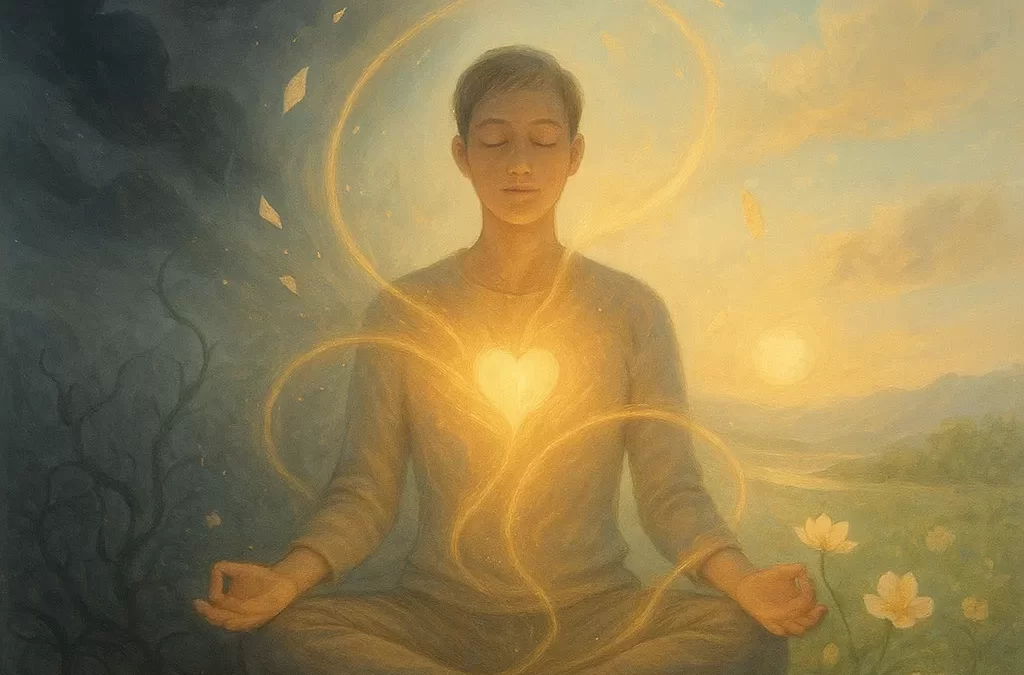
How Does Inner Healing Work and What Steps Can You Take to Start?
How Does Inner Healing Work and What Steps Can You Take to Start the Process?
Inner healing works by addressing emotional wounds, unresolved trauma, or negative beliefs to restore mental and emotional well-being. You can start the inner healing process by practicing self-awareness, seeking support, and using evidence-based strategies to process and release past hurts. This gentle process helps you gain greater self-understanding and resilience.
What Is Inner Healing? [Definition]
Inner healing refers to the process of acknowledging, understanding, and resolving emotional wounds and psychological pain from past experiences. It enables individuals to build emotional resilience, break negative patterns, and foster healthier relationships with themselves and others.
How Does Inner Healing Work?
Inner healing works through self-reflection, emotional release, and the development of new perspectives. This process generally involves:
Identifying past hurts or limiting beliefs
Feeling and expressing emotions in a safe way
Adopting healthier coping skills
Integrating positive insights and self-compassion
Therapies such as cognitive behavioral therapy (CBT), inner child work, mindfulness practices, and trauma-informed therapy are commonly linked to inner healing. Professionals like psychologists, counselors, or spiritual mentors often support this process, but you can also begin with self-help approaches.
What Steps Can You Take to Start the Inner Healing Process?
Starting inner healing can seem overwhelming, but simple, structured steps make it accessible to anyone. Here’s a straightforward path to begin:
Recognize the Need for Healing
Acknowledge areas of your life where you feel stuck or repeatedly hurt.
Practice Mindful Self-Awareness
Use journaling, meditation, or quiet reflection to connect with your inner thoughts and feelings.
Seek Safe Supports
Consider reaching out to a therapist, support group, or trusted friend to share your experiences.
Explore Your Emotions
Allow yourself to feel and express emotions without judgment using writing, art, or talking aloud.
Challenge Limiting Beliefs
Notice negative self-talk and ask yourself where it comes from; gently reframe these beliefs.
Create Healthy Rituals
Establish daily practices (e.g., gratitude, affirmations, exercise) to nurture your well-being.
Integrate Insights and Set Intentions
Reflect on your progress, celebrate small wins, and set intentions for continued growth.
Quick Start Guide: Inner Healing Process at a Glance
Step
Action
Tools/Methods
Acknowledge
Recognize wounds or patterns
Journaling, reflection
Feel
Permit safe emotional expression
Art, therapy, mindfulness
Understand
Explore triggers and beliefs
CBT, self-inquiry
Heal
Adopt self-compassion and new insights
Affirmations, gratitude, spiritual practices
Grow
Maintain healing habits
Supportive routines, community
What Are the Benefits of Inner Healing?
Improved emotional regulation and resilience
Reduced anxiety, depression, and self-doubt
Stronger relationships and communication
Increased self-esteem and confidence
Greater sense of purpose and clarity
Related mental health concepts include emotional intelligence, self-acceptance, and post-traumatic growth. Inner healing also connects to practices like mindfulness meditation and somatic therapy.
How Is Inner Healing Different from Therapy?
While therapy is often guided by a licensed professional and focuses on specific diagnoses or trauma, inner healing is a broader, ongoing personal journey. It can support and complement therapy, but also includes self-directed practices, spirituality, and community support for holistic growth. Many people combine both approaches for the best results.
Alternative Ways People Ask About Inner Healing
How do I heal emotional wounds?
What are the steps to start inner healing?
What does the process of inner healing look like?
How can I recover from emotional pain or trauma?
What practices help with inner transformation?
When Should You Seek Professional Support?
If your emotional pain feels overwhelming, persistent, or interferes with daily life, it’s important to reach out to a licensed mental health professional. Signs you may need extra support include severe anxiety or depression, trouble functioning at work or home, or reliving traumatic memories. Professionals can offer tailored therapies such as eye movement desensitization and reprocessing (EMDR), schema therapy, or dialectical behavior therapy (DBT).
How to Maintain Progress After Starting Inner Healing
Practice regular self-reflection and check-ins
Stay connected to supportive people or communities
Continue learning about emotional health and personal growth
Remember that healing is non-linear and setbacks are normal
Celebrate even small milestones in your journey
Frequently Asked Questions about Inner Healing
1. Can inner healing happen without therapy?
Yes, many people begin inner healing through self-help methods like journaling, mindfulness, and spiritual practices, though therapy can enhance and support the process.
2. How long does it take to heal emotionally?
There’s no fixed timeline; some aspects may improve quickly, while deeper wounds can take months or years. Progress is individual and ongoing.
3. What are signs that inner healing is working?
You may notice feeling more at peace, improved relationships, reduced emotional triggers, and greater confidence or self-acceptance.
4. Are there risks to starting inner healing alone?
Focusing on past pain can sometimes be overwhelming. If distress worsens, seek guidance from a professional or reach out to a support group.
5. What role does spirituality play in inner healing?
For many, spirituality or faith offers meaning, comfort, and a sense of support during the healing journey, though it’s not essential for everyone.
6. Is inner healing a one-time event?
No, healing is an ongoing process with ups and downs. You may revisit certain issues as your awareness deepens or life changes.
7. Which tools or resources help most with inner healing?
Popular supports include guided meditations, self-help books, therapeutic art, online courses (e.g., on emotional intelligence), and professional counseling.
Summary: Taking the Next Step in Inner Healing
Inner healing empowers you to move beyond emotional pain, create a deeper sense of self, and live with more freedom and peace. Whether you start with quiet self-reflection or guided therapy, choosing to begin this journey is the most important step. Remember, healing is possible and support is always available when you need it.
“`
Leave a Reply