
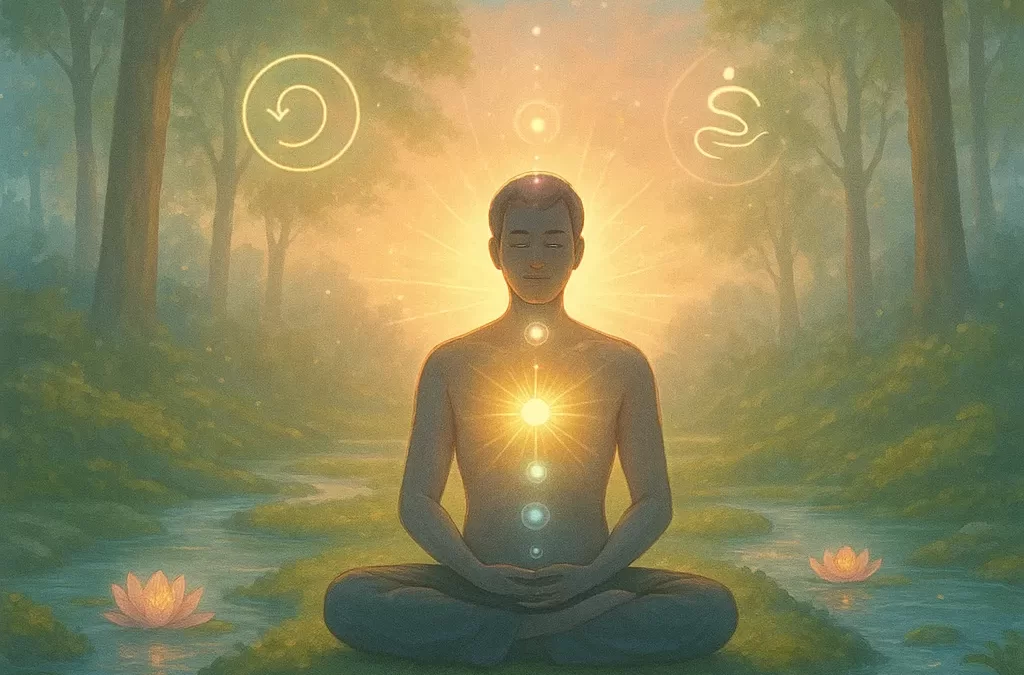
Most Effective Self-Healing Techniques for Stress and Anxiety
What are the Most Effective Self-Healing Techniques for Managing Stress and Anxiety?
The most effective self-healing techniques for managing stress and anxiety include mindfulness meditation, deep breathing exercises, progressive muscle relaxation, regular physical activity, and effective self-talk. These strategies empower individuals to calm their minds, regulate emotions, and address physical symptoms of stress without external intervention.
What Are Self-Healing Techniques for Stress and Anxiety?
Self-healing techniques are evidence-based practices that help individuals manage emotional and physiological stress without professional help. These tools encourage personal empowerment, resilience, and emotional balance. Common methods incorporate elements from mindfulness, cognitive behavioral therapy (CBT), and holistic wellness.
Definition:
Self-healing techniques are actionable, accessible strategies that individuals use on their own to reduce stress and alleviate anxiety, promoting mental and physical well-being.
How Do Self-Healing Techniques Reduce Stress and Anxiety?
Self-healing methods work by interrupting negative thought cycles, calming the nervous system, and fostering self-awareness. These practices help regulate the body’s stress hormones, balance breathing patterns, and improve mood. By integrating these habits, individuals build resilience to future stressors.
What Are the Top Self-Healing Techniques for Stress and Anxiety?
Mindfulness Meditation
Focusing attention on the present moment without judgment eases anxiety and reduces rumination. Mindfulness activates the parasympathetic nervous system, lowering heart rate and stress hormones like cortisol.
Deep Breathing Exercises
Techniques such as diaphragmatic breathing or box breathing slow down the physiological symptoms of stress, reduce blood pressure, and foster relaxation.
Progressive Muscle Relaxation (PMR)
Alternately tightening and relaxing muscle groups releases physical tension and signals the body to deactivate stress responses.
Journaling
Writing about thoughts and feelings can help identify triggers, clarify emotions, and provide perspective, reducing mental overload.
Physical Activity
Regular exercise — such as walking, yoga, or stretching — produces endorphins, improves sleep quality, and reduces symptoms of anxiety.
Affirmations and Self-Talk
Positive self-talk and affirmations counteract negative thinking patterns, enhancing self-efficacy and mood.
Grounding Techniques
Techniques like the “5-4-3-2-1” sensory method bring awareness to the present and interrupt spirals of anxious thoughts.
Self-Healing Techniques Comparison Table
Technique
Main Benefit
When to Use
Mindfulness Meditation
Enhances calm and focus
Anytime, especially under mental stress
Deep Breathing
Reduces immediate anxiety symptoms
During acute stress or panic
Progressive Muscle Relaxation
Relieves physical tension
When feeling tight or tense
Journaling
Clarifies emotions
During emotional overwhelm
Physical Activity
Boosts mood, reduces stress hormones
Regularly or when restless
Affirmations
Builds self-confidence
When self-doubt arises
Grounding
Brings awareness to the present
During anxiety spikes
What Simple Techniques Can I Use Right Now?
Box Breathing: Inhale for four counts, hold for four, exhale for four, hold for four, and repeat.
5-4-3-2-1 Grounding: Name 5 things you see, 4 you can touch, 3 you hear, 2 you smell, and 1 you taste.
Mindful Observation: Spend 1-2 minutes focusing on your breath or the sensations of your body.
Which Related Concepts Enhance Self-Healing?
Self-healing is linked with several related entities and concepts, such as emotional regulation, neuroplasticity, vagus nerve stimulation, and sleep hygiene. Integrating holistic health practices, including nutrition and social connection, further supports mental well-being. Methods rooted in yoga, mindfulness-based stress reduction (MBSR), and cognitive behavioral theory (CBT) also contribute to effective self-healing.
Why Are Self-Healing Techniques Important in Modern Life?
With the increasing prevalence of anxiety disorders and stress-related conditions, self-healing skills are crucial for proactive mental health management. They offer autonomy, accessibility, and long-term resilience, especially for those facing everyday stressors, chronic conditions, or limited access to mental health care.
How Do Self-Healing Techniques Compare to Professional Therapeutic Methods?
While self-healing techniques are highly effective for mild to moderate stress and anxiety, they are not a substitute for professional therapy or medical intervention for severe cases. Many evidence-based therapies, such as cognitive behavioral therapy (CBT) or acceptance and commitment therapy (ACT), incorporate self-healing practices as foundational skills for clients.
What Are Alternative Ways People Ask About Self-Healing for Stress?
What are some natural ways to relieve anxiety?
How can I self-soothe when feeling stressed?
What self-care activities help with anxiety?
How do I calm myself when anxious?
Can I treat stress without medication?
What are practical stress management techniques?
Frequently Asked Questions (FAQ)
1. What is the easiest self-healing technique for beginners?
Deep breathing exercises are the easiest and most accessible self-healing technique for beginners. They can be practiced anywhere and provide immediate relief from anxiety and stress.
2. How often should I practice these techniques for best results?
Consistency is key. Practicing self-healing techniques daily, even for just 5-10 minutes, can lead to noticeable improvements in your stress and anxiety levels over time.
3. Can self-healing techniques replace medication for anxiety?
Self-healing techniques can help manage mild to moderate anxiety, but they should not replace prescribed medication or professional care for severe anxiety disorders. Always consult a healthcare provider before changing your treatment plan.
4. Are these techniques suitable for children and teenagers?
Yes, many self-healing techniques, such as breathing exercises and mindfulness, are beneficial and safe for children and teens. Adaptations may be needed based on age and developmental level.
5. How do I know which technique is right for me?
Experiment with different techniques to see which resonates best with your lifestyle and needs. You can mix and match approaches, or consult with a mental health professional for personalized guidance.
6. Can self-healing techniques be combined for better results?
Yes, combining techniques—such as pairing deep breathing with mindfulness, or journaling after yoga—often leads to better overall outcomes in stress and anxiety management.
7. What should I do if self-healing techniques don’t work?
If you do not experience relief or if your symptoms worsen, consider seeking support from a therapist or healthcare professional. Persistent anxiety or overwhelming stress can require more structured intervention.
Summary: Key Takeaways
Effective self-healing strategies include mindfulness, breathing, relaxation, journaling, exercise, and positive self-talk.
These techniques help regulate stress responses, improve emotional well-being, and are supported by scientific research.
Consistency and practice lead to the best results, but severe anxiety may need professional intervention.
Self-healing empowers individuals and complements formal therapy, enhancing overall resilience.
“`
Leave a Reply