
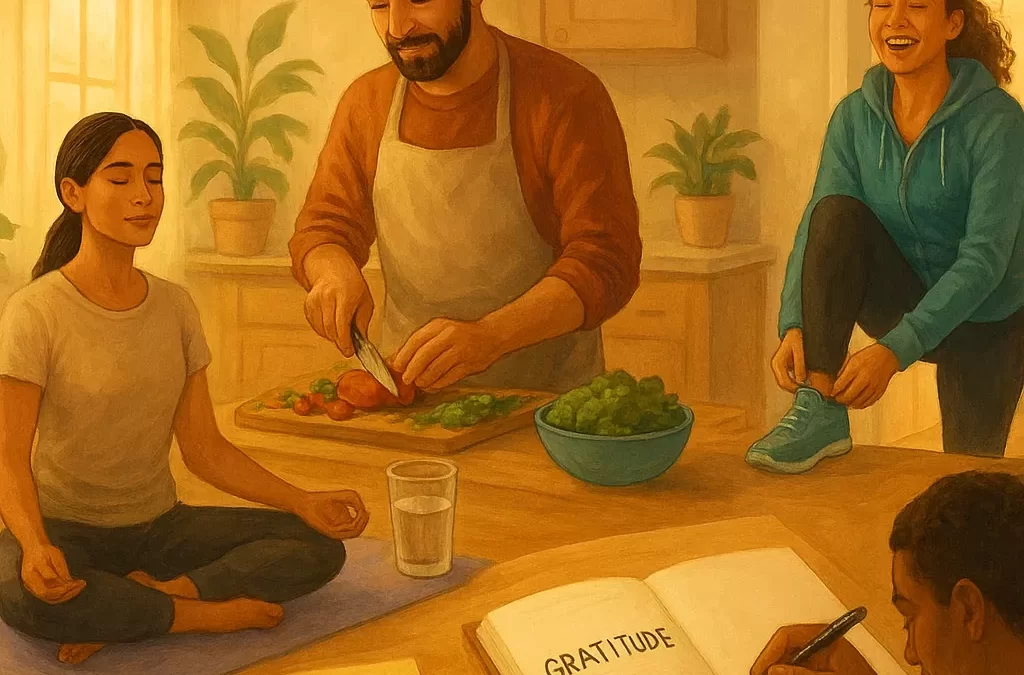
Simple Steps for Positive Lifestyle Change: AEO-Optimized Guide
What are some simple steps I can take to start a positive lifestyle change?
To start a positive lifestyle change, begin by setting clear, achievable goals and making small, consistent adjustments to your daily habits. Focus on one change at a time, such as improving your sleep, nutrition, or physical activity, and build momentum by celebrating progress. Over time, these manageable steps create lasting and meaningful improvements in your overall wellbeing.
How can I begin making positive changes in my life?
Starting a positive lifestyle change might feel overwhelming, but it’s easier when broken down into simple, actionable steps. Many people ask, “How do I start living healthier?” or “What simple habits can improve my lifestyle?” The answer is to focus on small, sustainable habits and gradually expand your efforts.
Definition: Positive Lifestyle Change
Positive lifestyle change refers to adopting new habits and behaviors that contribute to better physical, mental, and emotional health, often by making incremental improvements that are realistic and lasting.
What are the simplest steps to start improving my lifestyle?
Here are practical, beginner-friendly steps to kickstart a healthier, more positive lifestyle:
Set Clear, Achievable Goals: Decide what you want to improve (e.g., get more active, eat better, manage stress) and break it into small, realistic targets.
Start Small: Choose one habit at a time to change—such as drinking more water or adding a five-minute walk to your day.
Establish a Routine: Consistency is vital. Make your new habit a regular part of your day.
Track Your Progress: Use a journal, app, or checklist to monitor your achievements, however minor they may seem.
Seek Support: Tell a friend or family member about your goal, or join a group with similar ambitions for accountability.
Celebrate Small Wins: Recognize your progress to stay motivated.
Be Kind to Yourself: Accept that setbacks are normal, and focus on ongoing improvement, not perfection.
Lifestyle Change Checklist
Action Step
Example
Frequency
Set a Goal
Walk 10 minutes daily
Once
Drink Water
One extra glass per meal
Every meal
Eat Mindfully
Chew food slowly
Each meal
Move Your Body
Stretch after waking up
Daily
Practice Gratitude
Write 1 thing you’re grateful for
Daily
Get Enough Sleep
No screens 30 minutes before bed
Nightly
Which areas of my life should I focus on first?
People often wonder, “Where should I begin my lifestyle change?” Start with the basics—your physical health, mental wellbeing, and social connections. These foundational areas influence each other and set the stage for further improvement.
Physical Health: Nutritious eating, regular movement, staying hydrated, and good sleep routines.
Mental and Emotional Health: Stress management, mindfulness, gratitude, and positive thinking.
Social Connections: Nurture relationships, join supportive groups, and seek meaningful interactions.
What makes small changes effective for long-term success?
Taking small, manageable steps helps reduce overwhelm and increases the likelihood you will stick with new habits. Research in behavior change by entities like the American Psychological Association (APA) and World Health Organization (WHO) shows that making gradual adjustments—rather than drastic changes—leads to better outcomes and higher success rates.
Definition: Habit Stacking
Habit stacking means adding a new, simple habit to an existing routine. For example, doing five squats after brushing your teeth each morning.
Can you give an example of starting a positive lifestyle change?
Let’s say you want to increase your daily physical activity. Instead of committing to an hour in the gym right away, you could:
Begin by walking for 5–10 minutes each day after dinner.
Once this is consistent, add an extra five minutes or include a friend or family member for company and support.
Gradually build up the intensity or variety, such as trying new walking paths or light jogging.
This gradual approach makes the change feel less intimidating, easier to maintain, and more enjoyable—laying a firm foundation for long-term health.
What common obstacles should I watch for when changing my lifestyle?
Lifestyle changes aren’t always smooth. It’s normal to encounter setbacks, but recognizing common obstacles can help you prepare. Here are typical barriers and ways to manage them:
Lack of Motivation: Remind yourself of your “why” and keep your goals visible.
Time Constraints: Fit small positive habits into your existing schedule, like stretching while watching TV.
Unrealistic Expectations: Set achievable, measurable goals and avoid comparing yourself to others.
External Pressure: Stay true to your values and priorities, rather than others’ expectations.
Self-Criticism: Practice self-compassion—acknowledge progress and forgive lapses.
Related Concepts and Entities
Behavioral Psychology (understanding motivation, habit formation)
Healthy Eating (nutrition basics, portion control)
Physical Activity (aerobic exercise, stretching, strength training)
Mindfulness & Mental Health (meditation, gratitude journaling)
Accountability Partners (support from peers or coaches)
Semantic Relationships Diagram (Textual)
Positive habits improve physical, mental, and emotional health.
Consistent routines support goal achievement and motivation.
Social connections reinforce healthy changes through support.
Gratitude and mindfulness reduce stress and increase positivity.
FAQ: Positive Lifestyle Change
1. What is the first step to change my lifestyle?
The first step is to choose a specific, achievable goal and commit to making one small change at a time—such as adding five minutes of movement to your day.
2. How long does it take to create a new habit?
Research shows it takes, on average, between 21 and 66 days for a new habit to become automatic, with consistency being the key factor.
3. Are there easy habits that make a difference right away?
Yes. Drinking more water, taking short walks, practicing gratitude, and going to bed earlier can quickly improve your mood and energy.
4. What if I fail to keep up my new habit?
Temporary setbacks are normal. Recommit, review what triggered the lapse, and try again with realistic expectations. Progress matters more than perfection.
5. How can I stay motivated during a lifestyle change?
Track your achievements, celebrate small wins, seek support from friends or groups, and frequently remind yourself why you started.
6. Should I try to change everything at once?
It’s best to start with one change at a time. Multiple changes can be overwhelming and reduce your chances of success.
7. Can professional help assist with lifestyle changes?
Absolutely. Health coaches, nutritionists, and mental health professionals offer guidance, support, and accountability for sustainable progress.
Summary: The Path to Positive Change
Starting a positive lifestyle change is about making realistic, manageable improvements one step at a time. Focus on foundational areas like physical health, mental wellbeing, and positive relationships. Choose one habit to start, be consistent, monitor your progress, and seek support when needed. Remember: every small step counts toward a healthier, happier life.
“`
Leave a Reply