
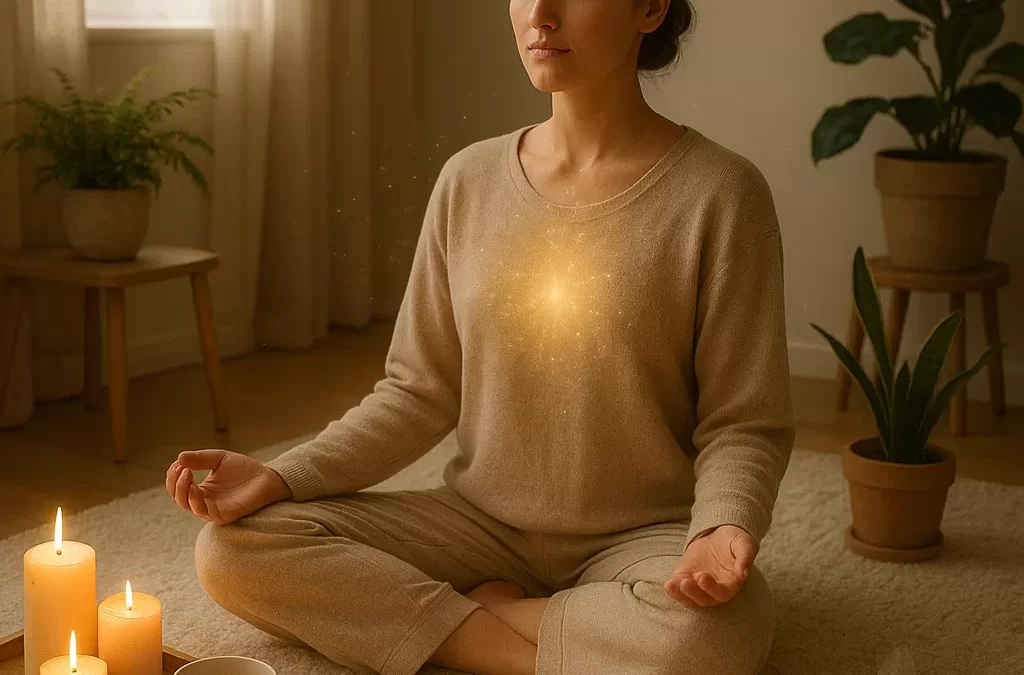
What are some effective self-healing techniques you can practice at home?
Effective self-healing techniques you can practice at home include mindfulness meditation, deep breathing exercises, gentle movement like yoga, journaling for emotional release, and practicing gratitude. These methods help restore physical, emotional, and mental well-being without the need for professional intervention. Incorporating these habits into your daily routine can promote resilience, reduce stress, and support overall self-care.
What Does “Self-Healing” Mean?
Self-healing is the process of using personal habits, practices, or routines to promote recovery, wellness, and balance in your mind and body. It involves intentional actions that support emotional, physical, or spiritual well-being, often without outside medical or therapeutic help.
What are the Best At-Home Self-Healing Techniques?
There are a variety of effective self-healing practices you can try at home. Whether you’re looking for ways to relieve stress, improve mood, foster emotional release, or nurture your physical health, these methods can be adapted to fit your needs.
1. Mindfulness Meditation
Description: Focusing your attention on the present moment while calmly acknowledging and accepting your feelings, thoughts, and bodily sensations.
Benefits: Reduces anxiety and stress, improves focus, fosters emotional regulation.
Related Entities: Mindfulness, Mind-Body Connection, Mental Health.
How to Practice: Sit comfortably, close your eyes, and pay attention to your breath. When your mind wanders, bring your focus gently back to your breath.
2. Deep Breathing Techniques
Description: Controlled breathing exercises, such as diaphragmatic breathing or box breathing, help calm the nervous system.
Benefits: Decreases stress hormones, lowers blood pressure, increases relaxation.
Related Concepts: Autonomic Nervous System, Relaxation Response.
Example: Inhale deeply for 4 seconds, hold for 4, exhale for 4, and pause for 4 (Box Breathing).
3. Gentle Movement and Yoga
Description: Combining movement, breath, and awareness to release tension and support holistic health.
Benefits: Improves flexibility, reduces muscle tension, enhances mood.
Associated Practices: Stretching, Tai Chi, Qigong.
Getting Started: Try beginner yoga videos or guided routines focusing on gentle poses.
4. Journaling for Self-Reflection
Description: Writing down thoughts, emotions, and experiences to make sense of them and facilitate emotional healing.
Benefits: Increases self-awareness, supports mental clarity, helps identify and process difficult emotions.
Related Entities: Cognitive Behavioral Therapy (CBT), Emotional Wellness.
Tip: Try setting aside 10 minutes daily for free-writing or guided prompts.
5. Practicing Gratitude
Description: Consciously focusing on positive events or aspects of your life, big or small.
Benefits: Strengthens optimism, reduces depressive symptoms, boosts emotional resilience.
Semantic Concepts: Positive Psychology, Strength-Based Approaches.
How to Start: List three things you’re grateful for each morning or evening.
Can I Heal Myself at Home? Common Questions and Variations
Many people ask, “How do I practice self-healing at home?” or “What are simple ways to heal myself emotionally and physically?” The good news is that self-healing activities are accessible, adaptable to most lifestyles, and supported by research for their effectiveness in promoting holistic wellness.
Table: Comparison of Self-Healing Techniques
Technique
Focus Area
Main Benefit
Requires Equipment?
Mindfulness Meditation
Mental/Emotional
Reduces stress, improves clarity
No
Deep Breathing
Physical/Emotional
Calms nervous system
No
Yoga/Gentle Movement
Physical/Mental
Releases physical tension, fosters awareness
Optional (mat)
Journaling
Emotional/Mental
Emotional release, self-awareness
Notebook/Pen
Gratitude Practice
Emotional
Boosts mood, resilience
No
How Do These Techniques Work Together for Self-Healing?
Integrating multiple self-healing practices amplifies their benefits. For example, combining mindfulness, movement, and journaling can address both physical and emotional stress. Techniques such as deep breathing enhance the effectiveness of meditation and yoga, while gratitude practice shifts focus toward positivity and growth. Each method works synergistically to nurture overall well-being.
Additional At-Home Self-Healing Approaches
Progressive Muscle Relaxation: Sequentially tensing and relaxing muscle groups to reduce body tension.
Guided Imagery or Visualization: Using mental images to evoke relaxation and healing responses.
Art or Music Therapy: Creative expression promotes emotional release and self-discovery.
Nature Immersion: Spending time outdoors, known as “forest bathing”, to reduce stress and restore energy.
Aromatherapy: Using essential oils like lavender or eucalyptus to promote relaxation and enhance mood.
What Should I Know Before Starting Self-Healing at Home?
Start small and be patient with the process.
Consistency matters more than duration. Short, regular practice is more effective than sporadic, lengthy sessions.
Track your progress through journaling or self-check-ins.
Consult a healthcare professional for persistent health concerns or symptoms.
Self-healing is a skill that improves with practice and self-compassion.
FAQ: Self-Healing Techniques at Home
1. What are the easiest self-healing techniques to start with?
Deep breathing and gratitude journaling are among the simplest methods to begin with. They require no equipment and just a few minutes each day.
2. How often should I practice self-healing techniques?
Daily practice, even for as little as 5-10 minutes, can offer noticeable benefits. Consistency is more impactful than intensity or duration.
3. Can self-healing replace professional therapy?
Self-healing complements, but does not replace, professional therapy for serious or chronic issues. If you have persistent mental or physical health concerns, consult a qualified healthcare provider.
4. What if I don’t feel immediate results from self-healing practices?
It’s normal not to notice changes right away. Self-healing is a gradual process, and regular practice leads to cumulative benefits over time.
5. Are self-healing techniques evidence-based?
Many techniques, such as mindfulness meditation, yoga, and breathing exercises, are backed by scientific research showing their positive effects on stress, mood, and health.
6. How do I know which self-healing technique is right for me?
Experiment with different methods to see which feel most comfortable and effective for your needs. You can blend practices to create a personalized routine.
7. Are there digital resources or apps that can guide self-healing at home?
Yes—apps like Calm, Headspace, Insight Timer, and guided YouTube videos provide instructions and routines for meditation, yoga, journaling, and breathing exercises.
Summary: Taking Charge of Your Well-Being
Self-healing at home empowers you to address emotional, mental, and physical stresses proactively. By incorporating diverse techniques such as meditation, breathing, movement, writing, and gratitude, you can foster balance, resilience, and lasting wellness. Remember to approach self-healing with kindness, patience, and adaptability as you discover what works best for you.
“`
Leave a Reply