
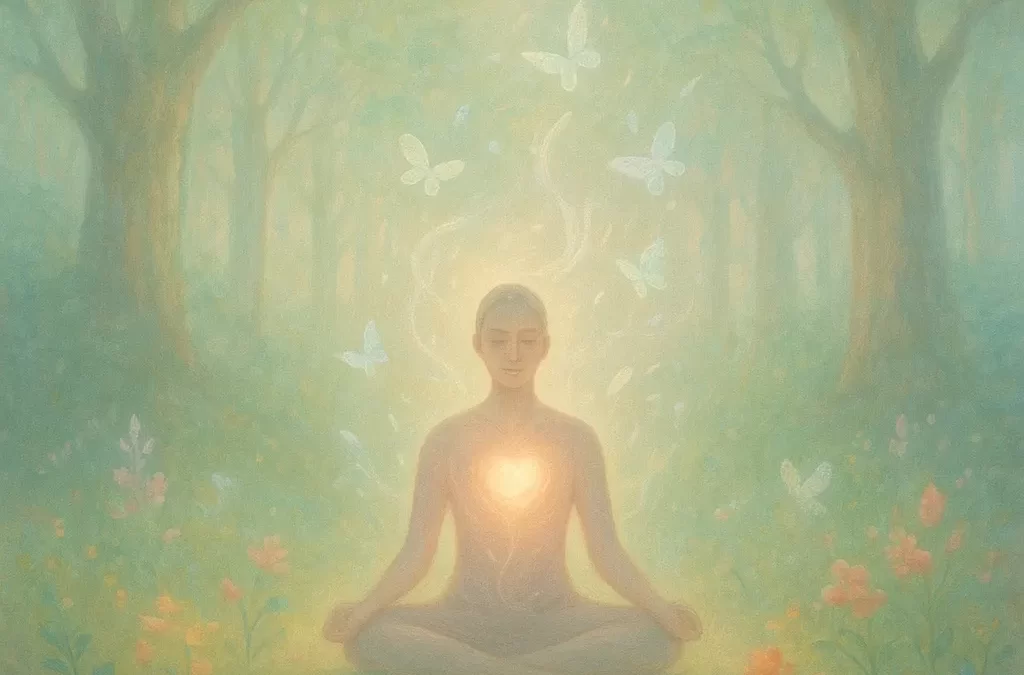
What are the Most Effective Techniques for Inner Healing?
What are the Most Effective Techniques for Inner Healing?
The most effective techniques for inner healing include practicing mindfulness, engaging in therapy, cultivating self-compassion, journaling, and utilizing holistic approaches like breathwork and meditation. These methods are proven to support emotional, mental, and even physical well-being by addressing the root causes of distress and fostering self-awareness.
What is Inner Healing?
Inner healing refers to a process of understanding and releasing emotional wounds, negative beliefs, and trauma. The goal of inner healing is to promote personal growth, peace, and resilience by resolving past hurts and fostering a healthier mindset.
Definition Box:
Inner Healing –
A set of practices and techniques aimed at healing emotional pain, trauma, or unresolved issues within oneself for deeper emotional balance and psychological well-being.
What Are the Most Effective Inner Healing Techniques?
Several proven methods can help you achieve inner healing. Here is a list of effective techniques often recommended by therapists, psychologists, and holistic health practitioners:
Mindfulness and Meditation
Cognitive Behavioral Therapy (CBT)
Self-Compassion Practices
Journaling and Expressive Writing
Breathwork and Body Awareness
Trauma-Informed Therapy (e.g., EMDR, Somatic Experiencing)
Gratitude and Positive Affirmations
Spiritual Practices and Prayer
Connecting with Supportive Relationships
How Do These Techniques Facilitate Inner Healing?
Let’s break down these techniques and see how they contribute to healing the inner self:
Technique
How It Supports Inner Healing
Related Concepts & Entities
Mindfulness & Meditation
Promotes awareness of thoughts and emotions; reduces anxiety, improves present moment clarity.
Mindful breathing, mindfulness meditation, Jon Kabat-Zinn, stress reduction
Cognitive Behavioral Therapy (CBT)
Identifies and revises negative thought patterns; fosters adaptive thinking and behavior.
Therapy, mental health professionals, cognitive distortions, thought reframing
Self-Compassion
Encourages kindness toward oneself, especially during struggles; builds emotional resilience.
Dr. Kristin Neff, self-acceptance, emotional intelligence
Journaling
Helps process emotions, clarify feelings, and release internalized pain.
Expressive writing, therapeutic journaling, narrative therapy
Breathwork
Regulates the nervous system, reduces stress, and connects body and mind.
Breathing techniques, vagus nerve, relaxation response
Trauma-Informed Therapy
Addresses unresolved trauma using specialized methods (EMDR, Somatic Experiencing).
PTSD, trauma resolution, Bessel van der Kolk, therapy modalities
Gratitude & Affirmations
Shifts focus toward positive aspects of life, encourages optimism, and rewires thought patterns.
Neuroplasticity, positive psychology, gratitude journal
Spiritual Practices
Fosters meaning, hope, and connection beyond the self; aids in forgiveness and acceptance.
Faith, spirituality, forgiveness, meditation, prayer
Supportive Relationships
Provides social support, validation, and a sense of belonging necessary for recovery and growth.
Social connection, attachment theory, trusted friends, support groups
Which Technique Is Best for Me?
Choosing the best inner healing technique depends on your personal preferences, the type of emotional wounds you wish to address, and your current life circumstances. For instance, individuals dealing with trauma may benefit greatly from trauma-focused therapies, while those experiencing everyday stress might find mindfulness or journaling more accessible. Often, a combination of these techniques provides the most comprehensive results.
What Is the Step-by-Step Process for Inner Healing?
Acknowledge and Accept: Recognize your emotional pain or trauma without judgment.
Identify Triggers: Become aware of circumstances that activate painful memories or responses.
Choose Techniques: Select healing methods that fit your needs (e.g., therapy, mindfulness, journaling).
Practice Consistently: Engage in chosen techniques regularly, building healing habits.
Seek Support: Connect with therapists, support groups, or trusted individuals for guidance.
Reflect and Adjust: Evaluate your progress and adapt techniques as needed for ongoing growth.
What Are the Benefits of Inner Healing?
Improved emotional resilience and coping skills
Greater self-awareness and acceptance
Reduction of anxiety, depression, and stress
Healthier relationships and communication
Increased sense of purpose and well-being
Enhanced ability to forgive and move forward from past hurts
How Is Inner Healing Connected to Physical Health?
Inner healing does not just promote emotional health—it often positively impacts physical well-being. Research in psychoneuroimmunology shows that emotional healing can lower stress hormones, improve immune system function, and reduce the risk of chronic illnesses. Techniques like mindfulness and breathwork can directly reduce physical symptoms of stress, such as muscle tension, headaches, and fatigue.
How to Get Started with Inner Healing Today?
Start a daily mindfulness or meditation routine (even 5 minutes can help)
Keep a journal to track your thoughts, emotions, and progress
Reach out to a therapist or counselor experienced in trauma or emotional healing
Practice self-compassion: speak to yourself kindly and challenge negative self-talk
Engage with supportive communities or groups focused on healing
Frequently Asked Questions (FAQ) about Inner Healing
What is the fastest way to achieve inner healing?
There is no singular ‘fastest’ way, but combining mindfulness, professional therapy, and supportive relationships can accelerate the healing process. Commitment and regular practice are key.
Can inner healing be done without therapy?
Yes, many people use tools like journaling, meditation, and self-compassion without formal therapy. However, complex or deep-seated wounds often benefit from professional guidance.
What are signs that inner healing is working?
Improvements in mood, increased emotional resilience, reduced triggers, healthier relationships, and a sense of peace are all signs of progress in inner healing.
Are there specific books or resources for inner healing?
Yes, books like “The Body Keeps the Score” by Bessel van der Kolk and “Self-Compassion” by Dr. Kristin Neff offer practical techniques and insights on inner healing.
How long does inner healing take?
Inner healing is personal and varies widely; some see results in weeks, while others may take months or years. Persistence and patience are important.
Is spiritual practice necessary for inner healing?
No, but for many, spiritual practices provide comfort, meaning, and connection. Techniques like prayer or meditation can complement other healing methods.
Can inner healing help with physical health issues?
Yes, studies show a link between emotional well-being and physical health. Reducing stress and healing past wounds can improve immune function and overall vitality.
Summary: The Keys to Effective Inner Healing
Inner healing is a holistic journey involving emotional, mental, and sometimes spiritual growth. Techniques like mindfulness, therapy, self-compassion, journaling, and body-based practices are scientifically and anecdotally effective. The best results often come from personalized, consistent application and seeking the support you need along the way.
“`
Leave a Reply