
How Can Beginners Practice Chakra Self Healing at Home?
How Can Beginners Practice Chakra Self Healing at Home?
Beginners can practice chakra self healing at home by learning about the seven main chakras, setting intentions, and following guided meditation, breathing exercises, and visualization techniques. This process helps balance energy centers, promotes emotional well-being, and supports self-awareness. Let’s explore exactly how to get started with chakra healing, explained in easy-to-follow steps.
What Is Chakra Self Healing?
Definition:
Chakra self healing is the practice of using personal intention, awareness, and techniques like meditation and visualization to balance or unblock the body’s chakras—energy centers linked to physical, emotional, and spiritual well-being.
How Do You Start Practicing Chakra Healing at Home?
If you’re new to chakra work, it’s common to ask, “How do I practice chakra healing at home as a beginner?” or “What is the best way to balance my chakras by myself?” Here’s a step-by-step approach:
Step-by-Step: Chakra Self Healing for Beginners
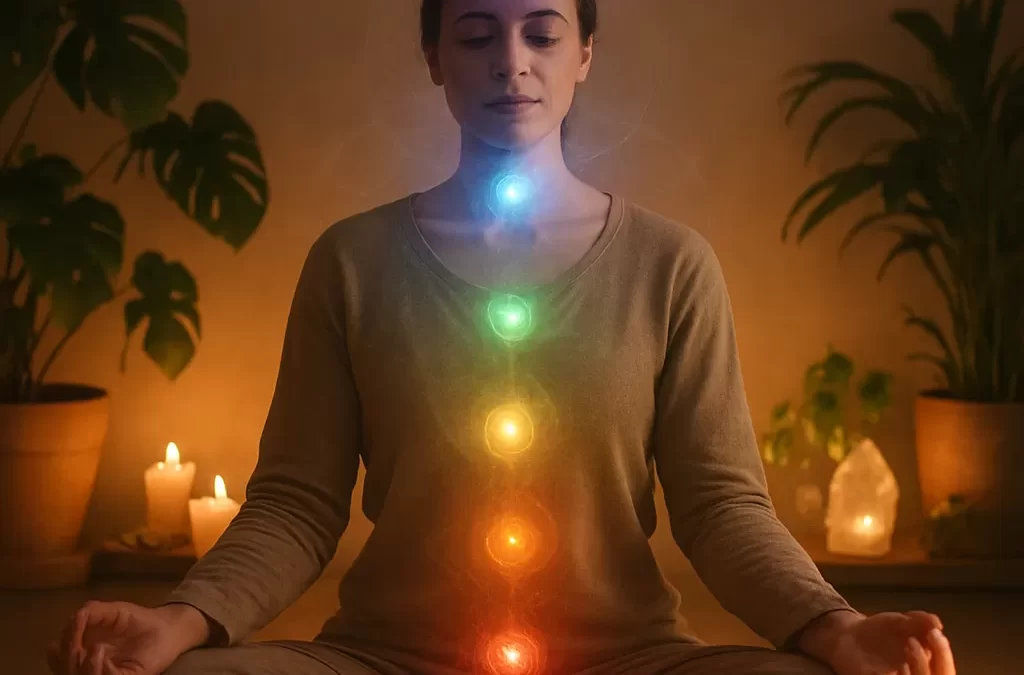
Learn About the Chakras: There are seven main chakras from the root (base of the spine) to the crown (top of the head). Each corresponds to different emotions, organs, and aspects of life.
Create a Calm Space: Find a quiet, comfortable spot for your practice. You may want to dim the lights, play soothing music, or add calming scents with essential oils (like lavender or sandalwood).
Set Your Intention: Begin with a clear intention, such as, “I am open to healing and balance.”
Focus on One Chakra at a Time: Start with the root chakra and move upward, or focus on any chakra that feels blocked. Use visualization, affirmations, or sound (chanting the associated “seed mantra” like “Lam” for root).
Practice Deep Breathing: Slow, conscious breathing calms the nervous system and helps channel energy flow.
Use Guided Meditation or Visualization: Picture each chakra as a spinning wheel of color and imagine it clearing and balancing as you focus on it.
Repeat Consistently: Try a daily or weekly routine, adjusting techniques to what feels best for you.
What Are the 7 Chakras? A Table for Quick Reference
Chakra
Location
Color
Key Themes
Seed Sound
Root (Muladhara)
Base of Spine
Red
Stability, security
Lam
Sacral (Svadhisthana)
Just below navel
Orange
Creativity, emotions
Vam
Solar Plexus (Manipura)
Stomach area
Yellow
Confidence, willpower
Ram
Heart (Anahata)
Center of chest
Green
Love, compassion
Yam
Throat (Vishuddha)
Throat
Blue
Communication, truth
Ham
Third Eye (Ajna)
Between eyebrows
Indigo
Intuition, wisdom
Om
Crown (Sahasrara)
Top of head
Violet
Spirituality, unity
What Techniques Can I Use for Chakra Healing at Home?
Looking for simple techniques to practice at home? Here are beginner-friendly options linked to related concepts like mindfulness, meditation, and affirmations:
Guided Chakra Meditations: Listen to audio meditations that walk you through energizing or balancing each chakra.
Breathing Exercises (Pranayama): Deep belly breathing, alternate nostril breathing (Nadi Shodhana), or “box breathing” can calm your mind and focus energy.
Chakra Visualization: Imagine each chakra as a colored light or spinning wheel. Visualize it growing brighter and spinning smoothly.
Seed Mantra Chanting: Repeat each chakra’s sound (e.g., “Lam,” “Vam,” “Ram”) aloud or silently to stimulate energy flow.
Affirmations: Use positive statements for each chakra, like “I am safe and grounded” for the root chakra.
Journaling: Write down any emotions, visions, or thoughts that come up during practice for self-reflection.
Gentle Yoga: Poses like child’s pose, bridge, or seated twist can further help unblock or balance chakras.
Related Entities & Concepts
Energy Healing
Prana (life force energy)
Mindfulness
Holistic Wellness
Emotional Balance
How Often Should Beginners Practice Chakra Healing?
Beginners can start with short daily sessions (5–10 minutes), gradually increasing to 20–30 minutes as comfort grows. You may also try weekly “chakra check-ins” to focus on balance and progress. Consistency is key—regular practice supports sustained benefits.
What Are Signs of Chakra Imbalance?
People often ask, “How do I know if my chakras are blocked?” Signs of chakra imbalance can show up as:
Feeling emotionally off-center or stuck
Physical discomfort (e.g., tension, headaches, digestion issues)
Lack of focus, creativity, or motivation
Feeling disconnected from yourself or others
Struggles with self-expression or confidence
If you notice persistent discomfort, combine chakra self healing with support from trusted holistic professionals.
How Do I Know If Chakra Healing Is Working?
You may notice subtle positive effects, like feeling more centered, relaxed, or emotionally balanced. Increased energy, better sleep, and improved mood are common. Each person’s experience is unique; regular self check-ins and journaling can highlight gradual improvements.
Can I Practice Chakra Healing on My Own?
Absolutely! Self healing techniques such as meditation, visualization, and breathwork make chakra healing accessible at home, even for beginners. Many people practice entirely on their own or supplement with online guided sessions, books, and resources.
FAQ: Chakra Self Healing for Beginners
Q: Is chakra healing safe for beginners?
A: Yes, chakra healing is non-invasive and safe, especially when practiced gently and mindfully. Listen to your body and take breaks as needed.
Q: How long does it take to balance the chakras?
A: Results vary. Some feel changes after one session, while others notice gradual improvements over weeks or months. Regular practice helps maintain balance.
Q: Do I need special tools for chakra healing?
A: No tools are required. However, crystals, essential oils, singing bowls, or colored visualization can enhance the experience.
Q: Can I combine chakra work with other self-care practices?
A: Yes! Many people blend chakra healing with yoga, mindfulness, therapy, or reiki for holistic well-being.
Q: What are the risks of chakra self healing?
A: Chakra self healing is generally considered risk-free, but it should not replace medical care when needed. Always consult a professional for serious physical or mental health concerns.
Q: Are there books or apps recommended for beginners?
A: Yes, resources like “Wheels of Life” by Anodea Judith or apps like Insight Timer and Calm offer guided meditations and chakra information.
Q: Can children or older adults practice chakra healing?
A: Absolutely! Techniques can be adapted for any age, focusing on gentle visualization and relaxation.
Summary: Simple Steps for Chakra Self Healing at Home
Understand the seven chakras and what each represents.
Create a quiet, comfortable space for healing.
Set a positive intention to guide your practice.
Use guided meditation, breathwork, visualization, or affirmations.
Practice regularly for the best results, and monitor your progress through journaling and reflection.
With patience and consistency, beginners can successfully practice chakra self healing at home to boost energy, foster emotional healing, and promote holistic wellness.
“`
Leave a Reply