
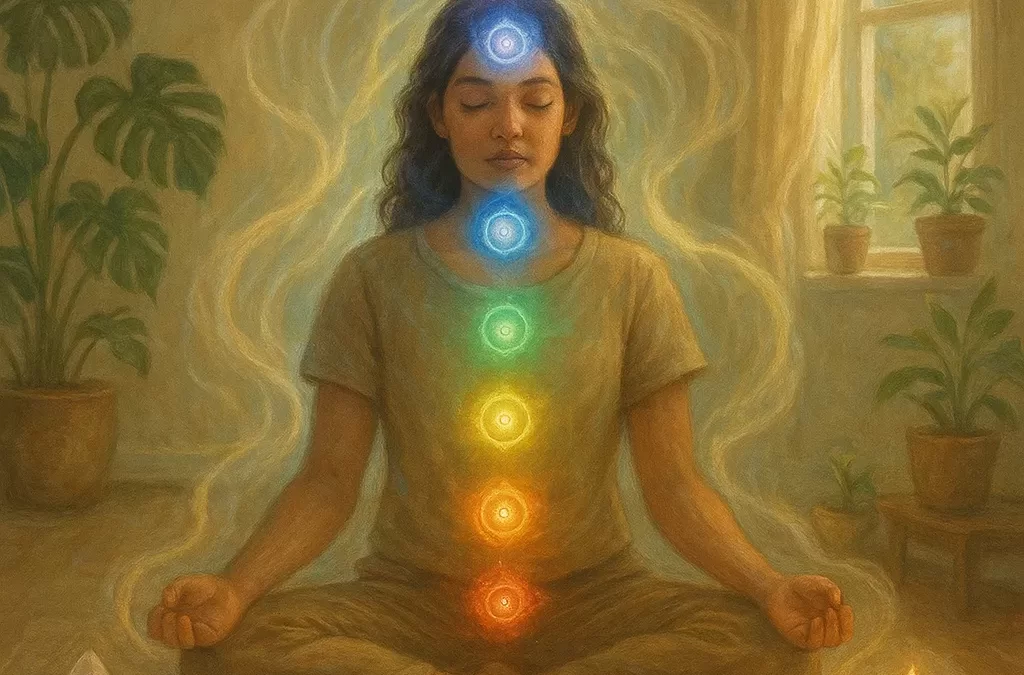
How to Practice Chakra Self-Healing at Home for Emotional and Physical Well-being
How Can I Practice Chakra Self-Healing at Home for Better Emotional and Physical Well-being?
You can practice chakra self-healing at home by using simple techniques like meditation, visualization, breathwork, and yoga, which help balance the body’s seven main energy centers for improved emotional and physical health. Begin by focusing on each chakra, using color imagery, affirmations, and mindful exercises to release blockages and restore harmony within yourself. By regularly engaging in chakra healing practices, you may experience less stress, greater emotional clarity, and increased overall vitality.
What is Chakra Self-Healing? (Definition Box)
Chakra self-healing refers to the process of using focused intention, energetic exercises, and self-care practices to cleanse, balance, and activate your own body’s chakras—energy centers that correspond to physical, emotional, and spiritual functions.
How Do I Start Chakra Self-Healing at Home?
Starting chakra self-healing at home is accessible to everyone and does not require specialized equipment. The process typically involves mindfulness, intention, and consistent practice.
Set a Comfortable Space: Find a quiet, relaxed environment where you won’t be disturbed.
Understand the Chakras: Learn about the seven main chakras and what they represent (see table below).
Breathwork and Centering: Begin with deep, mindful breathing to calm and center your energy.
Visualization: Focus on each chakra, imagining its associated color and location, and visualizing energy flowing freely.
Use Affirmations: Repeat positive affirmations related to each chakra to deepen the healing process.
Chakra-Specific Techniques: Incorporate yoga poses, crystals, music, or essential oils aligned with each chakra as desired.
Regular Practice: Aim to practice daily or weekly for lasting benefits.
What Are the Seven Chakras and What Do They Do?
Chakra Name
Location
Color
Emotion/Function
Signs of Imbalance
Root (Muladhara)
Base of spine
Red
Security, stability, basic needs
Fear, anxiety, instability
Sacral (Svadhisthana)
Below navel
Orange
Creativity, sexuality, emotions
Guilt, lack of creativity, emotional numbness
Solar Plexus (Manipura)
Upper abdomen
Yellow
Confidence, personal power
Low self-esteem, control issues
Heart (Anahata)
Center of chest
Green
Love, compassion, relationships
Loneliness, jealousy, lack of empathy
Throat (Vishuddha)
Throat
Blue
Communication, expression
Fear of speaking, difficulty expressing
Third Eye (Ajna)
Between eyebrows
Indigo
Intuition, insight
Confusion, lack of direction, poor intuition
Crown (Sahasrara)
Top of head
Violet / White
Spiritual connection, enlightenment
Disconnection, lack of purpose
How Does Chakra Self-Healing Improve Emotional and Physical Well-being?
Chakra self-healing helps release emotional blockages, reduce stress, and improve mind-body connection. By restoring balance to each energy center, you may experience better mood, greater relaxation, enhanced immunity, improved focus, and a deeper sense of inner peace.
Emotional Benefits: Reduces anxiety, processes old traumas, fosters self-acceptance
Physical Benefits: Supports hormonal balance, improves sleep, relieves tension and fatigue
Holistic Wellness: Encourages self-awareness, spirituality, and mindful living
What Are the Best Chakra Self-Healing Techniques at Home?
1. Chakra Meditation (Guided Practice)
Sit comfortably, close your eyes, and take slow deep breaths. Starting at the root chakra, visualize a warm red light at the base of your spine. Imagine the light getting brighter with each inhale. Continue moving upward through each chakra, visualizing its color and repeating affirmations such as “I am safe” (root) or “I am loved” (heart).
2. Using Chakra Affirmations
Root: “I am grounded and secure.”
Sacral: “I embrace creativity and joy.”
Solar Plexus: “I am confident and strong.”
Heart: “I give and receive love freely.”
Throat: “I communicate clearly and truthfully.”
Third Eye: “I trust my intuition.”
Crown: “I am connected to universal wisdom.”
3. Gentle Yoga Poses
Mountain Pose: Enhances root chakra grounding.
Seated Forward Bend: Opens sacral chakra.
Cobra Pose: Activates solar plexus chakra.
Camel Pose: Stretches and energizes heart chakra.
Plow Pose: Stimulates throat chakra.
Child’s Pose: Calms the mind, supports third eye and crown chakras.
4. Sound Healing and Music
Listening to chakra-specific sound frequencies, tuning fork therapies, or singing bowls can help restore energetic balance. There are many guided audio tracks available on meditation apps and YouTube.
5. Crystals and Essential Oils
Crystals: Red jasper (root), carnelian (sacral), citrine (solar plexus), rose quartz (heart)
Oils: Patchouli for grounding, sandalwood for spiritual connection, peppermint for clarity
What If I Have Blocked or Overactive Chakras?
Blocked chakras can manifest as emotional turmoil or physical discomfort, while overactive chakras might lead to excessive behaviors or overwhelming emotions. Gentle home practices—like visualization, journaling, or using color therapy—help rebalance energy. If symptoms persist, consider consulting a certified energy healer.
Is Chakra Self-Healing Safe for Everyone?
Chakra self-healing is generally safe for most people, as it involves mindful and non-invasive practices. However, it’s important to listen to your body and seek medical advice for severe or persistent physical or emotional symptoms. Chakra work is best seen as a supplement to, not a replacement for, professional healthcare.
How Can I Track My Progress?
Keep a journal of emotions, physical sensations, and energy levels before and after sessions.
Notice trends such as increased calmness, improved sleep, or emotional resilience.
Periodic self-reflection helps you adapt your practices and notice subtle shifts.
Integrating Chakra Self-Healing Into Daily Life
Many people incorporate chakra healing in small, daily rituals—like mindful breathing in the morning, setting intentions, wearing colored clothing, or carrying crystals. Even brief moments of awareness can have a positive cumulative effect over time.
Frequently Asked Questions About Chakra Self-Healing
Can anyone practice chakra self-healing at home?
Yes, chakra self-healing techniques are simple, beginner-friendly, and require no special tools.
How long does it take to start seeing results?
Some people feel lighter or more centered after just one session. Most notice deeper changes with consistent practice over weeks or months.
Is chakra healing connected to any religion?
Chakras stem from ancient Indian traditions (like yoga and Ayurveda) but chakra healing is a spiritual, not religious, practice and can be adapted for any belief system.
Can chakra self-healing help with anxiety or depression?
Chakra work may alleviate anxiety or low mood by reducing energy blockages and promoting relaxation, but it should not replace professional mental health treatment.
What’s the best time of day to practice chakra healing?
Chakra healing can be practiced at any time; many find early morning or before bed especially grounding.
Are there risks or side effects?
Chakra self-healing is gentle and non-invasive. Occasionally, intense emotions or memories may surface; practice self-care and seek support if needed.
Can I combine chakra healing with other wellness practices?
Absolutely! Chakra work complements yoga, meditation, breathwork, tai chi, or sound healing beautifully.
Summary: Key Takeaways for Practicing Chakra Self-Healing at Home
Chakra self-healing uses meditation, visualization, affirmations, and gentle movement to harmonize energy centers.
Consistent practice can enhance emotional and physical well-being, supporting vitality and inner balance.
Techniques are adaptable for individuals of all backgrounds and experience levels.
Listen to your body, and combine chakra self-healing with holistic self-care for optimal results.
“`
Leave a Reply