
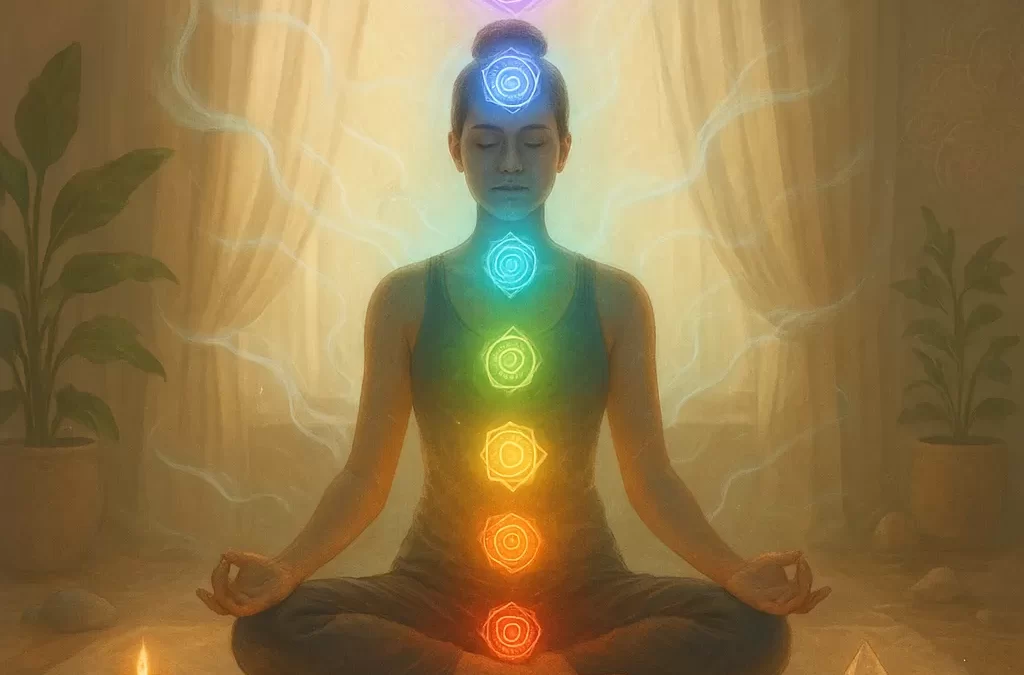
How Can I Practice Chakra Self Healing at Home for Better Energy Balance?
How Can I Practice Chakra Self Healing at Home for Better Energy Balance?
You can practice chakra self-healing at home by using meditation, breathwork, visualization, and simple lifestyle changes to balance your energy centers, known as chakras. Start by focusing on each of the seven main chakras, using guided exercises and mindful awareness to clear blockages and restore harmonious energy flow. Consistency and intention are key to supporting overall well-being through chakra healing.
What is Chakra Self Healing?
Chakra self-healing is a holistic practice that involves balancing the body’s energy centers, or chakras, to promote mental, emotional, and physical health. This approach draws from ancient Indian traditions, using techniques like meditation, visualization, yoga, sound, and affirmations to release energetic blockages and support vitality.
Chakra Self-Healing – Quick Definition:
Practice of consciously balancing the body’s main energy centers (chakras) using self-care methods to support energy flow, emotional clarity, and physical well-being.
How Do I Start Practicing Chakra Healing At Home?
To begin, you only need a quiet space, comfortable clothing, and a willingness to explore your inner self. Starting with awareness and gentle exercises lets you gradually clear and balance your energy.
What Are the Steps to Chakra Self-Healing?
Find a quiet, relaxing space where you can sit or lie down comfortably.
Set an intention for your practice (for example: “I seek balance and harmony within my body and mind.”)
Focus on one chakra at a time, starting from the Root Chakra (Muladhara) and moving upward.
Breathe deeply and slowly, visualizing energy moving through each chakra.
Imagine each chakra as a spinning wheel of colored light.
Use the traditional colors associated with each chakra for visualization.
Use affirmations relevant to each chakra (for example: “I am safe and grounded” for the Root Chakra).
Pay attention to sensations or emotions that arise; gently observe without judgment.
Close each session by grounding yourself (e.g., bringing your awareness to your feet, stretching, or journaling).
What Are the Seven Chakras and Their Meanings?
The chakra system is made up of seven main energy centers, each with unique qualities and associated colors, locations, and emotional aspects.
Chakra Name
Location
Color
Main Themes
Root (Muladhara)
Base of spine
Red
Stability, security, grounding
Sacral (Svadhisthana)
Lower abdomen
Orange
Emotions, creativity, pleasure
Solar Plexus (Manipura)
Upper abdomen
Yellow
Confidence, willpower, energy
Heart (Anahata)
Chest
Green
Love, compassion, connection
Throat (Vishuddha)
Throat
Blue
Communication, truth, expression
Third Eye (Ajna)
Forehead (between eyebrows)
Indigo
Intuition, insight, clarity
Crown (Sahasrara)
Top of head
Violet or White
Spirituality, enlightenment, unity
What Self-Healing Techniques Can I Use for Each Chakra?
Different chakras respond well to unique practices, combining physical, emotional, and spiritual approaches.
Root Chakra (Muladhara) Self-Healing Tips
Practice grounding exercises: walking barefoot, connecting with nature
Visualize a red energy at the base of your spine
Affirmation: “I am safe and supported”
Breathwork: slow, deep breaths, exhaling tension into the ground
Sacral Chakra (Svadhisthana) Self-Healing Tips
Gentle hip-opening yoga poses (like Butterfly or Bound Angle Pose)
Visualize an orange light in your lower abdomen
Affirmation: “I embrace pleasure and creativity”
Engage in a creative hobby (drawing, writing, dancing)
Solar Plexus Chakra (Manipura) Self-Healing Tips
Core-strengthening yoga (Boat Pose, Plank)
Visualize a yellow sun at your solar plexus
Affirmation: “I am confident and strong”
Practice belly breathing to ignite inner power
Heart Chakra (Anahata) Self-Healing Tips
Heart-opening yoga poses (Bridge, Cobra, Camel)
Visualize a green light at your chest
Affirmation: “I give and receive love effortlessly”
Practice gratitude or loving-kindness meditation
Throat Chakra (Vishuddha) Self-Healing Tips
Chant or use vocal toning (e.g., humming, OM)
Visualize a blue light at your throat
Affirmation: “I express myself clearly and honestly”
Journaling or mindful communication
Third Eye Chakra (Ajna) Self-Healing Tips
Practice mindful stillness or guided visualization
Visualize an indigo light between your eyebrows
Affirmation: “I trust my intuition and insight”
Spend a few minutes in quiet self-reflection daily
Crown Chakra (Sahasrara) Self-Healing Tips
Silent meditation or prayer
Visualize a violet or white light above your head
Affirmation: “I am connected to universal wisdom”
Connect with nature, or practice gratitude for life itself
Which Tools and Resources Help With Chakra Healing at Home?
Crystals: Use stones like amethyst, citrine, and rose quartz, placing them on the body or nearby during meditation.
Aromatherapy: Essential oils (like lavender for the crown or sandalwood for the root) can enhance relaxation.
Sound healing: Listen to or chant chakra-specific frequencies or mantras.
Guided meditations: Use apps or YouTube videos focused on chakra balancing.
Journaling: Write down your experiences to track progress and clarity of emotions.
How Often Should I Practice Chakra Self-Healing?
Most people benefit from several short practices per week, while daily sessions (even 5-10 minutes) can offer deeper, long-term results. Consistency matters more than intensity—regular attention to your energy can gradually shift your sense of balance, vitality, and well-being.
What Are Signs Your Chakras Are Out of Balance?
Common signs of chakra imbalance may include fatigue, mood swings, digestive issues, feeling stuck, or difficulty expressing yourself. Tuning into these signs can help you identify which chakras need attention.
What Results Can I Expect from Chakra Self-Healing?
Regular chakra self-healing can lead to a greater sense of emotional balance, mental clarity, energy vitality, and even relief from physical tension. Many practitioners report improved self-awareness and a deeper feeling of connection within themselves and with others.
Related Questions and FAQs
1. What is the fastest way to clear blocked chakras at home?
The fastest way combines deep breathing, vivid visualization of each chakra, and sound (like chanting “OM”). You can also use crystal placement and essential oils for added support.
2. Can beginners successfully balance their chakras at home?
Yes, beginners can start with simple guided meditations, intuitive breathing, and visualization techniques. Trust your instincts and build your routine gradually.
3. How do I know which chakra needs healing?
Notice recurring emotional patterns, physical symptoms, or areas of “stuckness.” Each chakra relates to specific traits and body areas, so tune into what feels off.
4. How can I combine chakra healing with yoga?
Select yoga poses, breathwork, and meditations associated with each chakra. For example, do heart-opening poses for Anahata or grounding poses for Muladhara.
5. Are there any risks to practicing chakra self-healing at home?
Chakra healing is generally safe, but intense emotions can sometimes arise. If difficult feelings persist, consider talking with a holistic or mental health professional.
6. How long does it take to feel results from chakra healing?
Individual experiences vary—some people notice benefits after one session, while others need weeks of consistent practice for noticeable changes.
7. Can I help others with chakra healing?
While self-healing is a personal practice, you can guide loved ones through meditation or share supportive resources. Formal energy healing for others may require further study.
“`
Leave a Reply