
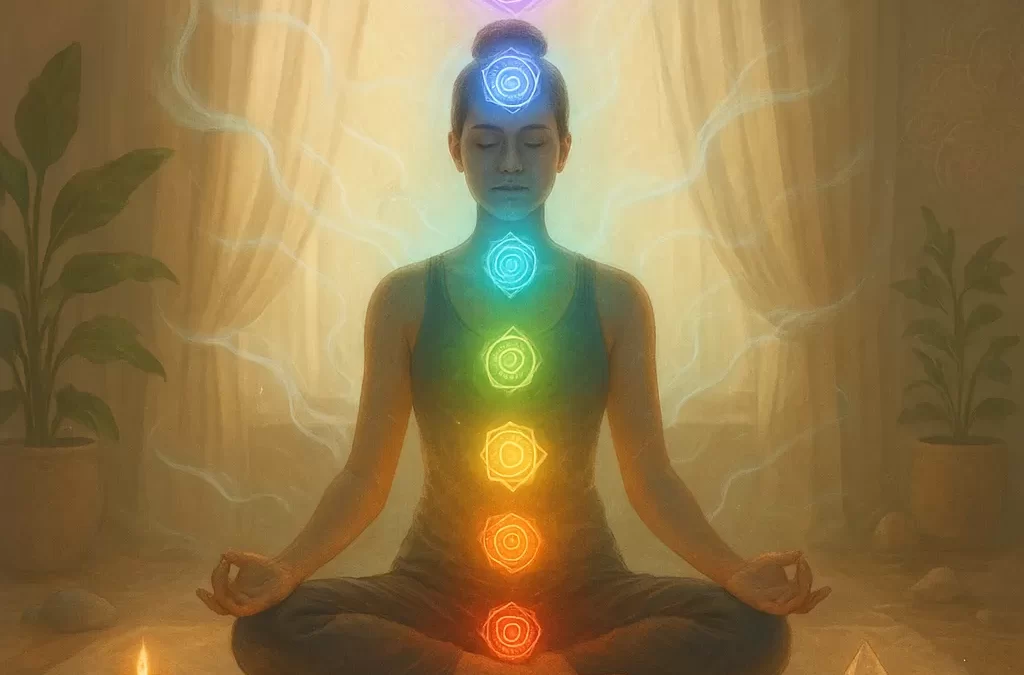
How to Practice Chakra Self Healing at Home for Better Energy Balance
How Can I Practice Chakra Self Healing at Home for Better Energy Balance?
Practicing chakra self healing at home involves focusing your awareness on the body’s seven main energy centers (chakras) through mindful meditation, visualization, and breathing exercises. Regular practice can help release blocked energy, restore inner balance, and promote overall well-being.
What Does Chakra Self Healing Mean?
Chakra self healing refers to the process of balancing and clearing the body’s main energy centers—called chakras—for improved mental, physical, and emotional well-being. This restorative practice combines self-awareness with holistic methods such as meditation, visualization, sound, affirmations, and lifestyle changes.
What Are the Chakras and Why Are They Important for Energy Balance?
The chakras are seven primary energy centers in the body, rooted in ancient Indian spiritual traditions like yoga and Ayurveda. Each chakra is associated with specific emotional and physical aspects of your health. When any chakra is blocked or imbalanced, you may experience disturbances in mood, energy levels, or wellness.
Chakra Overview Table
Chakra
Location
Color
Associated Aspect
Root (Muladhara)
Base of spine
Red
Grounding, stability
Sacral (Svadhisthana)
Lower abdomen
Orange
Creativity, sexuality
Solar Plexus (Manipura)
Stomach
Yellow
Confidence, power
Heart (Anahata)
Center of chest
Green
Love, compassion
Throat (Vishuddha)
Throat
Blue
Communication, truth
Third Eye (Ajna)
Forehead, between eyebrows
Indigo
Intuition, wisdom
Crown (Sahasrara)
Top of head
Violet/White
Spiritual connection
How Can I Start Practicing Chakra Self Healing at Home?
You can start chakra self healing at home by following a few guided steps each day. Here’s how to create a foundational chakra balancing practice, suitable for beginners and experienced individuals alike:
1. Find a Quiet, Comfortable Space
Choose a peaceful spot where you won’t be disturbed. This helps you cultivate mindfulness and focus.
2. Use Grounding Techniques
Remove shoes and sit comfortably on the floor.
Take a few deep breaths, exhaling slowly to calm the mind.
3. Chakra Meditation and Visualization
Focus your awareness on each chakra in sequence, from the root up to the crown:
Root Chakra (Muladhara): Visualize a glowing red light at the base of your spine. Imagine yourself grounded and safe.
Sacral Chakra (Svadhisthana): Move your attention to your lower abdomen and picture an orange sphere, radiating creativity and pleasure.
Solar Plexus (Manipura): See a yellow sun at your stomach, energizing your confidence and personal power.
Heart Chakra (Anahata): Imagine green light at your chest, filling you with unconditional love and compassion.
Throat Chakra (Vishuddha): Visualize blue energy swirling at your throat, empowering your communication.
Third Eye (Ajna): Focus on an indigo point between your eyebrows, enhancing intuition.
Crown Chakra (Sahasrara): Visualize violet or white light at the top of your head, connecting you to higher awareness.
4. Breathing for Energy Flow (Pranayama)
Inhale slowly through your nose, visualizing energy rising from root to crown.
Exhale, imagining any tension or blockage melting away.
Repeat for several breaths per chakra.
5. Affirmations and Sound Healing
Use affirmations (e.g., “I am grounded,” “I speak my truth,” “I trust my intuition”) aligned with each chakra.
Play chakra-specific sounds or frequencies (such as solfeggio frequencies or Tibetan singing bowls) to support vibrational alignment.
6. Keeping Consistent
Practice daily or several times a week for best results. Regularity supports ongoing energy balance and spiritual growth.
Are There Everyday Activities for Chakra Balancing?
Absolutely—energy balance isn’t limited to meditation. Many daily activities also support chakra healing, making it practical for home routines:
Yoga Postures: Practice poses that activate specific chakras, like Mountain Pose (Root) or Camel Pose (Heart).
Aromatherapy: Use essential oils, such as lavender for the crown or sandalwood for the root chakra.
Color Therapy: Wear or visualize clothing in chakra colors to support energetic alignment.
Journaling: Reflect on emotions or experiences connected to each chakra.
Music and Mantras: Listen to calming music, chant, or hum sounds linked to each energy center.
What Are Common Signs of Chakra Imbalance?
Recognizing imbalanced chakras helps inform your self healing routine. Typical signs include:
Feeling disconnected, anxious, or stuck (Root)
Lack of creativity or sexual energy (Sacral)
Low self-esteem or willpower issues (Solar Plexus)
Difficulties with love or forgiveness (Heart)
Communication blocks, trouble expressing yourself (Throat)
Lack of clarity, intuition, or focus (Third Eye)
Spiritual isolation or disconnection (Crown)
How Do Chakras Relate to Other Holistic Health Practices?
Chakra self healing is interconnected with other practices like yoga, reiki, crystal healing, mindfulness, and Ayurveda. These modalities all focus on the body’s subtle energy field, aiming for harmony and balance in mind, body, and spirit.
Related Entities & Concepts:
Prana: Life force energy that flows through chakras
Nadis: Energy channels connecting chakras
Kundalini: Dormant spiritual energy awakened through chakra work
Sanskrit: Traditional language naming chakras
Ayurveda & Yoga: Traditional systems integrating chakra knowledge
How To Practice Chakra Self Healing at Home: Step-by-Step Summary
Prepare your space: Find a calm environment.
Relax your body with deep, mindful breaths.
Focus attention on each chakra from root to crown, using color and light visualization.
Apply affirmations or sounds specific to each energy center.
Repeat daily for ongoing energy balance and emotional health.
Common Question Variations Answered
“How do I balance my chakras myself at home?”Follow guided meditations, visualizations, and breathing exercises, focusing on each chakra in sequence.
“Chakra healing routine for beginners?”Start with 5-10 minute daily visualizations and simple affirmations for each main chakra.
“Home remedies for restoring energy balance with chakras?”Combine mindful breathing, color therapy, yoga, and essential oils to support chakra health.
FAQ: Chakra Self Healing and Energy Balance
Q: How often should I practice chakra self healing at home?
A: Ideally, practice daily or several times a week for lasting effects, even if for just 10-20 minutes each session.
Q: Do I need special tools or experience for chakra healing at home?
A: No special tools are required. Meditation, intention, and breath are enough. However, crystals, essential oils, and sound tools can enhance your experience.
Q: Can I combine chakra healing with other wellness routines?
A: Yes! Practices like yoga, mindfulness meditation, reiki, and journaling are all complementary.
Q: How can I tell if my chakras are balanced?
A: Signs of balanced chakras include feeling grounded, emotionally stable, expressive, confident, compassionate, intuitive, and spiritually connected.
Q: Is there scientific evidence supporting chakra healing?
A: While chakra systems are recognized widely in holistic health, scientific studies are limited. Benefits often relate to stress reduction, mindfulness, and self-awareness.
Q: What should I do if I feel discomfort during chakra meditation?
A: Pause the exercise, breathe, and return your focus to the present. Mild emotional releases are common, but seek support if discomfort persists.
Q: Can children or seniors practice chakra self healing?
A: Yes, chakra healing practices—especially focused breathing and simple visualizations—are safe for all ages, though guidance is recommended for children.
Summary
Chakra self healing at home is a holistic path to better energy balance, combining meditation, visualization, affirmations, sound, breathwork, and simple lifestyle changes. Regular practice can strengthen your connection to mind, body, and spirit, helping you feel more centered, energized, and peaceful.
“`
Leave a Reply