
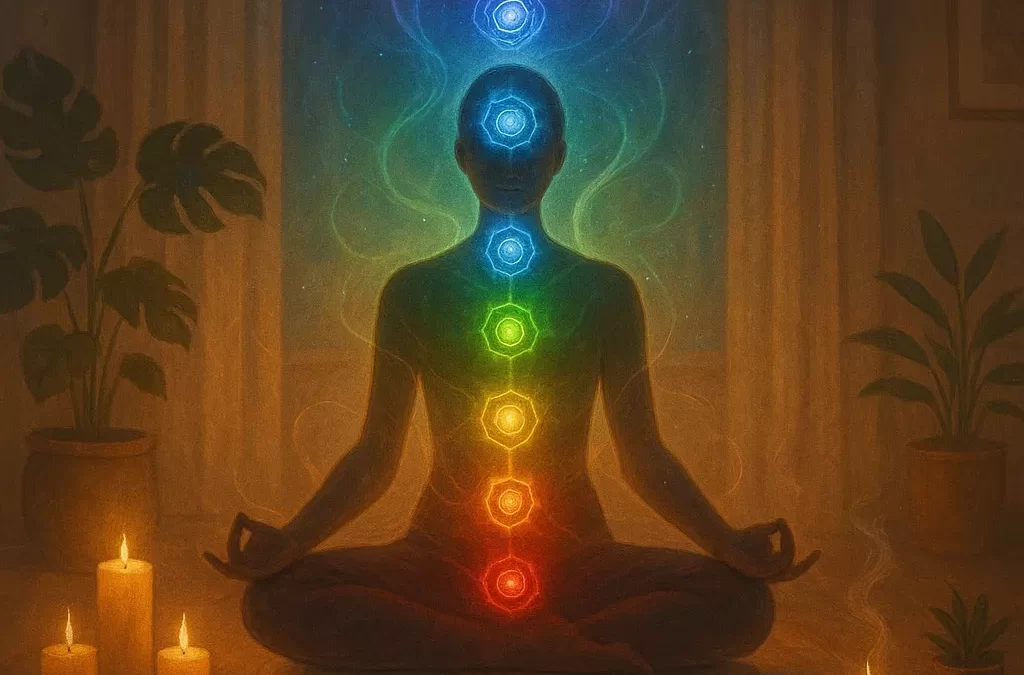
How to Practice Chakra Self Healing at Home for Energy Balance
How Can I Practice Chakra Self Healing at Home to Improve My Energy Balance?
You can practice chakra self healing at home by combining meditation, visualization, breathwork, and simple physical exercises to restore and balance your body’s seven main chakras. Regular self-healing routines can help harmonize your energy system, improve emotional well-being, and enhance physical vitality. In just a few minutes a day, you can use these holistic practices to realign your energy centers from the comfort of your own home.
What Is Chakra Self Healing?
DEFINITION: Chakra Self Healing
Chakra self healing is a personal energy practice that aims to balance and restore the body’s chakra system—seven energy centers believed to influence physical, emotional, and spiritual health—using techniques such as meditation, breathwork, mantra, visualization, and yoga.
Why Should I Balance My Chakras at Home?
Practicing chakra self healing at home allows you to take control of your wellness routine, reduce stress, and support emotional and physical health without special equipment or professional guidance. Many people find it enhances self-awareness, boosts mood, and increases energy flow throughout the body.
How Do I Start a Home Chakra Healing Practice?
To get started, choose a quiet space, focus on your intention to balance your chakras, and follow guided exercises for each energy center. Here’s a simple step-by-step approach:
Find a calm, comfortable place where you won’t be interrupted.
Set a positive intention for your healing session.
Practice deep, mindful breathing to relax and center yourself.
Use chakra-specific meditations, visualizations, or yoga poses (see below).
Dedicate 10-20 minutes per session, several times a week.
What Are the 7 Chakras and Their Roles?
Chakra
Location
Main Color
Main Role
Root (Muladhara)
Base of spine
Red
Stability, safety, grounding
Sacral (Svadhisthana)
Lower abdomen
Orange
Creativity, sexuality, pleasure
Solar Plexus (Manipura)
Upper abdomen
Yellow
Confidence, willpower, self-esteem
Heart (Anahata)
Center of chest
Green
Love, compassion, relationships
Throat (Vishuddha)
Throat
Blue
Communication, expression, truth
Third Eye (Ajna)
Forehead between eyes
Indigo
Intuition, insight, imagination
Crown (Sahasrara)
Top of head
Violet/White
Spiritual connection, awareness
What Are Proven Self Healing Techniques for Chakra Balancing?
1. Guided Chakra Meditation
Sit or lie down comfortably and visualize each chakra as a spinning wheel of colored light at its location. Start at the root and move upwards, imagining each center filling with vibrant, healing energy. Use affirmations such as “I am safe” for the root, or “I trust my intuition” for the third eye.
2. Breathwork (Pranayama)
Deep Belly Breaths: Inhale slowly, filling your abdomen; exhale fully. Repeats help ground and balance energy.
Alternate Nostril Breathing (Nadi Shodhana): Balances left and right energy channels, calming the mind and chakra system.
3. Chakra Yoga Poses
Specific yoga asanas stimulate and balance corresponding chakras. Examples:
Root: Mountain Pose (Tadasana), Warrior (Virabhadrasana)
Sacral: Bound Angle Pose (Baddha Konasana), Goddess Pose
Solar Plexus: Boat Pose (Navasana), Plank Pose
Heart: Cobra Pose (Bhujangasana), Camel Pose (Ustrasana)
Throat: Shoulderstand (Sarvangasana), Plow Pose
Third Eye: Child’s Pose (Balasana), Easy Pose with focus
Crown: Corpse Pose (Savasana), Headstand (advanced)
4. Sound Healing and Mantras
Chanting chakra-specific seed sounds (“bija mantras”) or listening to music tuned to chakra frequencies can stimulate vibrational healing. For example:
Root: Lam
Sacral: Vam
Solar Plexus: Ram
Heart: Yam
Throat: Ham
Third Eye: Om
Crown: Silence or Om
5. Visualization and Color Therapy
Picture each chakra glowing brightly in its associated color as you meditate. Wear colored clothing or keep crystals related to each chakra (for example, red jasper for root, amethyst for crown) nearby during sessions for enhanced focus.
How Do I Know If My Chakras Are Out of Balance?
Signs of chakra imbalance can include fatigue, anxiety, mood swings, difficulty concentrating, or recurring health issues tied to specific body areas. Noticing repetitive emotional patterns—such as insecurity (root), creative blocks (sacral), or difficulty expressing yourself (throat)—may signal imbalances in those centers.
What Are Variations of Chakra Healing People Ask About?
How to unblock chakras at home?
Can I do chakra balancing by myself?
What are easy chakra healing techniques for beginners?
What should I feel during chakra meditation?
Is chakra healing safe to do alone?
How Often Should I Practice Chakra Self Healing?
Consistency is more important than duration. Most practitioners benefit from a daily or 3-5 times a week routine, with sessions lasting 10-30 minutes. Listen to your body’s needs—regular attention fosters ongoing energy balance.
What Tools Enhance Chakra Self Healing at Home?
Guided meditation apps (e.g., Insight Timer, Calm, Headspace)
Chakra healing music (found on streaming platforms or YouTube)
Essential oils (like frankincense, sandalwood, lavender)
Chakra crystals and stones
Aromatherapy diffusers
Colorful scarves, yoga mats, or wall hangings
Incense or candles for ambiance
How Does Chakra Healing Relate to Other Wellness Practices?
Chakra self healing is closely related to other holistic mind-body practices such as Reiki, Ayurveda, mindfulness meditation, breathwork, and yoga. Each of these approaches supports the flow and harmony of “prana” (life force energy), contributing to overall well-being.
Frequently Asked Questions (FAQ) about Chakra Self Healing at Home
1. Can I practice chakra healing without experience?
Yes, beginners can safely start chakra self healing using guided meditations, simple yoga poses, and basic breathwork. Many resources cater to all levels, requiring no prior experience.
2. How long does it take to notice results from chakra healing?
Some people feel a difference after one session, while for others, results may become noticeable after a few weeks of regular practice. Experiences vary based on consistency and individual sensitivity.
3. Are there any risks to chakra self healing?
Chakra healing using mindfulness and gentle exercises is generally safe. However, it is not a replacement for medical treatment. Consult a healthcare professional if you have health concerns.
4. Do I need special tools for chakra self healing?
No tools are required. However, items like crystals, essential oils, or calming music can enhance the ambiance and focus of your sessions if you wish.
5. What should I focus on if I feel ‘blocked’ or stuck?
Focus on grounding practices, such as deep breathing, simple yoga poses, and self-reflection. Start at the root chakra and gradually move upward, spending extra time where you sense resistance.
6. Can chakra balancing support mental health?
While not a substitute for therapy or medical care, many people find regular chakra balancing helps reduce stress, improve mood, and maintain emotional equilibrium alongside other wellness practices.
7. How can I tell which chakra needs attention?
Pay attention to patterns in your emotions, thoughts, and physical symptoms. Use self-reflective journaling or consult symptom charts to identify which chakra may be imbalanced.
Summary Table: Key Steps for Chakra Self Healing at Home
Step
Description
Choose a Quiet Space
Find a calm environment with minimal distractions
Set Intention
Decide on your focus: overall balance or specific chakra
Breathe Mindfully
Use slow, deep breaths to center yourself
Practice Techniques
Meditate, visualize, use yoga, sound, and color therapy
Reflect & Integrate
Notice changes in energy and mood, journal experiences
Conclusion: Can Chakra Self Healing Really Work at Home?
Chakra self healing at home is an accessible, empowering way to restore energy balance, reduce stress, and connect with your deeper self. By combining mindfulness, movement, and intention, you can support your body’s natural energy flow and enjoy greater well-being—one breath, one session at a time.
“`
Leave a Reply