
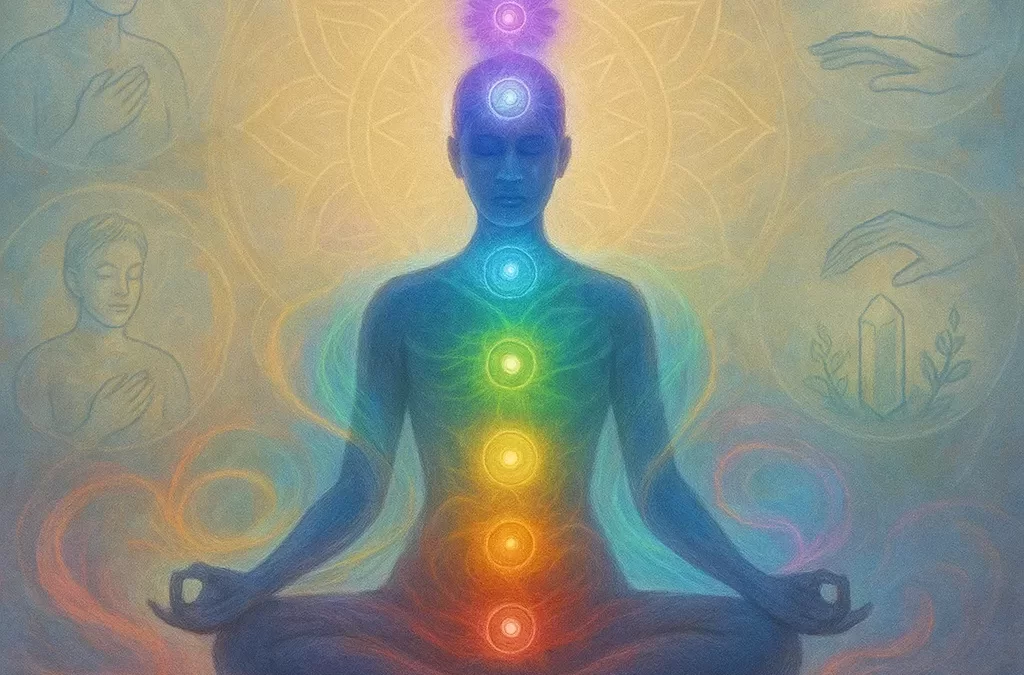
Chakra Self Healing: How It Works & Steps to Balance Your Chakras at Home
How Does Chakra Self Healing Work and Steps to Balance Your Chakras at Home?
Chakra self healing works by using focused attention, meditation, and specific techniques to restore balance and harmony to the body’s energy centers, known as chakras. By following guided steps—such as meditation, visualization, affirmations, breathing exercises, and lifestyle changes—anyone can rebalance their chakras safely from home.
What Is Chakra Self Healing?
Chakra self healing refers to methods and practices that help you realign and balance your chakras—seven primary energy centers according to Eastern traditions such as yoga, Ayurveda, and Reiki. Balanced chakras are associated with physical health, emotional stability, and mental clarity. Imbalances may cause stress, fatigue, or mood disturbances.
Definition:
Chakras: Energy centers located along the spine, each governing specific physical, emotional, and spiritual functions.
How Does Chakra Self Healing Work?
Chakra self healing is based on the concept that energy flows through the chakras. When this flow is disrupted or blocked, it can affect overall well-being. Healing techniques like meditation, sound therapy, breathwork, and color visualization encourage energy to move freely and restore balance. These practices support mind-body-spirit health through conscious self-care.
Related Entities and Concepts:
Aura: The energy field surrounding the body that interacts with chakras.
Prana / Qi: Life force energy that flows through chakras (prana in yogic systems, qi in Chinese medicine).
Meditation and Breathwork: Key tools for chakra healing.
Energy Healing: Includes Reiki, sound healing, and crystal therapy, often used alongside self healing.
Mind-Body Practices: Yoga, tai chi, and mindfulness support chakra balance.
What Are the 7 Main Chakras?
Chakra
Location
Color
Main Functions
Root (Muladhara)
Base of spine
Red
Safety, grounding, survival
Sacral (Svadhisthana)
Lower abdomen
Orange
Creativity, sexuality, emotions
Solar Plexus (Manipura)
Upper abdomen
Yellow
Willpower, self-esteem, confidence
Heart (Anahata)
Center of chest
Green
Love, compassion, connection
Throat (Vishuddha)
Throat
Blue
Communication, truth, expression
Third Eye (Ajna)
Forehead, between eyes
Indigo
Intuition, insight, wisdom
Crown (Sahasrara)
Top of head
Violet/White
Spirituality, enlightenment, unity
How Can You Tell if a Chakra Is Out of Balance?
Signs of chakra imbalance can vary by center, but may include physical symptoms (such as fatigue or digestive issues), emotional challenges (like anxiety, fear, or sadness), or a sense of being “stuck” in life. Body scans, mood tracking, and self-reflection can help identify which chakras may need attention.
Root Chakra: Feeling insecure or anxious
Sacral Chakra: Emotional numbness or lack of creativity
Solar Plexus: Low confidence or digestive troubles
Heart Chakra: Trouble connecting with others or feeling unloved
Throat Chakra: Difficulty speaking or expressing yourself
Third Eye: Lack of clarity or trouble making decisions
Crown Chakra: Feeling disconnected from purpose or spirituality
What Steps Can You Follow to Balance Your Chakras at Home?
There are several effective, safe methods you can do at home to help balance your chakras. Here’s a step-by-step approach:
Step-by-Step Chakra Balancing Routine
Set Your Intention: Find a quiet space and set a clear intention to balance your chakras.
Practice Chakra Meditation:
Sit comfortably and breathe deeply to relax your body and mind.
Visualize each chakra one at a time, from root to crown.
Imagine the associated color glowing brightly at each location.
Use Chakra Affirmations: Repeat positive affirmations for each chakra. For example, for the heart chakra: “I give and receive love freely.”
Engage in Breathwork: Try alternate nostril breathing (Nadi Shodhana), deep belly breathing, or mindful breaths focused on each chakra point.
Include Sound Therapy: Listen to chakra-specific music, mantras, or use a singing bowl attuned to the chakra frequencies.
Apply Chakra Stones or Crystals: Place colored stones (like amethyst for crown or lapis for third eye) on their respective locations while meditating (optional, but many find it helpful).
Journal and Reflect: After your session, write down any feelings, thoughts, or insights you experienced. Track which chakras felt balanced and which may need more attention.
Simple Daily Actions for Chakra Balance
Meditate regularly, focusing on one chakra per day.
Eat nourishing foods that match the chakra colors (e.g., green veggies for heart chakra).
Move your body through yoga poses that correspond with each chakra (like mountain pose for root, camel pose for heart).
Connect with nature to ground and realign energy.
Practice self-compassion: Cultivate positive emotions to open the heart chakra.
Express yourself: Write, sing, or speak to open the throat chakra.
What Are the Benefits of Chakra Self Healing?
Self healing for the chakras can enhance physical health, promote emotional resilience, boost mental clarity, and deepen spiritual awareness. Many people report feeling more energized, calm, and connected after regular chakra balancing practices.
Related Methods and Complementary Practices
Yoga for Chakras: Integrates postures, breathwork, and intention to stimulate energy centers.
Reiki or Energy Healing: Can be practiced by trained professionals or at home with intention.
Aromatherapy: Essential oils (like lavender for the crown or sandalwood for the root) may enhance meditation and relaxation.
Crystal Healing: Involves placing specific stones on chakra points to amplify healing energy.
Sound Baths: Group or solo sessions using singing bowls, tuning forks, or chanting.
Frequently Asked Questions About Chakra Self Healing
Is chakra self healing safe for everyone?
Yes, most chakra balancing techniques are safe and non-invasive. If you have mental health concerns, use self healing as a complement to professional care.
How often should I practice chakra balancing?
Many people benefit from daily or weekly practice, but even occasional sessions can have positive effects.
How long does it take to see results?
Some people feel better after a single session. For lasting changes, consistency over weeks or months is recommended.
Do I need special tools for chakra self healing?
No tools are necessary. However, crystals, meditation cushions, or music can enhance your practice.
Can chakra imbalances cause physical illness?
Chakra theory suggests a link between energy blockages and illness. While it’s not a replacement for medical care, chakra healing may support overall wellbeing.
Can beginners practice chakra healing at home?
Yes, many techniques are beginner-friendly. Start with guided meditations or simple breathwork and build from there.
Are there scientific studies supporting chakra healing?
Scientific evidence is limited. Benefits are often reported subjectively, and practices can improve relaxation, mindfulness, and stress management.
Summary: Key Takeaways About Chakra Self Healing at Home
Chakra self healing aligns your body’s energy centers for improved wellbeing.
You can practice at home using meditation, visualization, affirmations, breathwork, and simple lifestyle changes.
Pay attention to signs of imbalance and tailor your approach to each chakra.
Integrate related practices—yoga, sound therapy, crystal healing—for deeper effects.
Stay consistent and patient for lasting improvement in mind, body, and spirit.
“`
Leave a Reply