
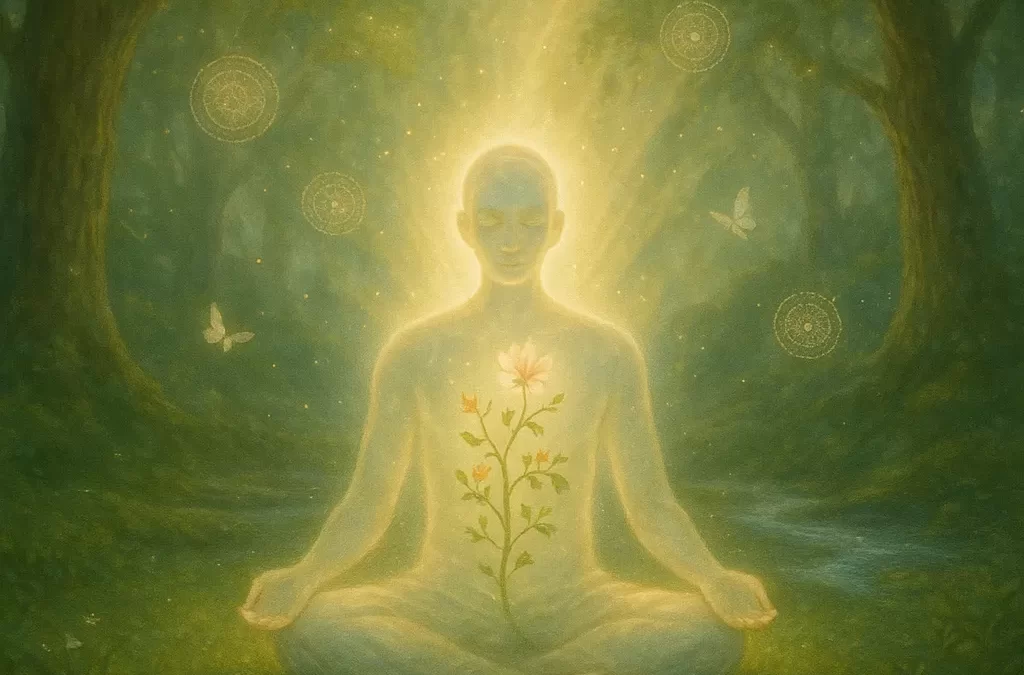
How Does Inner Healing Work and What Are Some Effective Methods to Start the Process?
How Does Inner Healing Work and What Are Some Effective Methods to Start the Process?
Inner healing is a process that helps individuals address, process, and resolve emotional wounds and unresolved psychological pain—often from past experiences—leading to personal growth and well-being. It works by fostering self-awareness, releasing negative emotions, and promoting self-compassion through reflection and therapeutic techniques. Effective methods to start inner healing include practicing mindfulness, journaling, therapy, and guided meditation.
Inner Healing (Definition):
Inner healing refers to conscious practices and processes aimed at resolving inner emotional pain, traumatic memories, or negative beliefs in order to restore balance, peace, and well-being.
What Is Inner Healing and Why Is It Important?
People often wonder, “What does inner healing mean?” or “Why should I focus on emotional healing?” Inner healing centers on working through unresolved feelings, traumas, or negative thought patterns that impact mental, emotional, and sometimes physical health.
Emotional Balance: Inner healing helps regulate mood and emotional responses.
Mental Clarity: It empowers clearer thinking and self-understanding.
Healthier Relationships: Healing past wounds allows for stronger connections with others.
What Are the Core Principles of Inner Healing?
At its core, inner healing relies on these principles:
Awareness: Recognizing emotions and thoughts as they arise
Acceptance: Allowing yourself to experience emotions without judgment
Forgiveness: Letting go of anger or resentment towards yourself or others
Integration: Merging healed aspects into daily life and relationships
How Does Inner Healing Work?
Inner healing works by addressing the source of emotional pain, rather than merely treating symptoms. This approach involves examining past experiences, beliefs, and emotional triggers to bring about deep and lasting change.
Key Entities Involved in Inner Healing:
Emotional wounds (e.g., childhood trauma, grief, rejection)
Mindfulness
Therapeutic modalities (e.g., CBT, EMDR, talk therapy)
Self-compassion and forgiveness
Personal growth and transformation
What Happens During the Inner Healing Process?
Identification: Recognize patterns, triggers, and root causes of emotional discomfort.
Processing: Experience and understand the emotions safely, sometimes with a therapist or guide.
Release: Let go of unhelpful beliefs and feelings that no longer serve you.
Transformation: Replace negativity with healthier patterns and self-compassion.
This process is supported by a range of entities and concepts: neuroscience (how the brain processes memories), spirituality (finding deeper meaning), psychology (understanding inner dynamics), and self-help communities.
What Are Some Effective Methods to Start the Inner Healing Process?
There’s no one-size-fits-all method for inner healing; various techniques work for different people. Here are some of the most effective, evidence-based methods to begin:
Method
Description
Ideal For
Mindfulness Meditation
Practice of observing thoughts and feelings without judgment
Reducing stress, increasing self-awareness
Journaling
Writing down emotions and experiences to process them
Exploring patterns, clarifying feelings
Therapy (e.g., CBT, EMDR)
Professional guidance to address trauma and reshape beliefs
Deep-rooted issues, trauma recovery
Guided Imagery
Visualization exercises to heal emotional wounds
Relieving anxiety, fostering self-compassion
Somatic Practices
Connecting with and releasing emotions through the body (e.g., breathwork, yoga)
Integrating mind-body healing
Support Groups
Sharing experiences and support with others undergoing healing
Building community, normalizing struggles
How Can I Start Inner Healing on My Own?
If you’re asking, “How can I heal myself emotionally?” here’s a simple checklist to begin:
Set aside time each day for self-reflection or mindfulness.
Keep a journal to track feelings and insights.
Explore guided meditations or calming music for relaxation.
Read books or listen to podcasts about emotional well-being (e.g., Brené Brown, Dr. Gabor Maté).
Develop a self-care routine: nourish your body, sleep well, and move regularly.
What Are Signs That Inner Healing Is Taking Place?
Many people ask, “How do I know if I’m healing emotionally?” or “What are the indicators of progress?” Common signs of inner healing include:
Increased emotional awareness and stability
Less reactivity to triggers or past memories
Greater self-compassion and forgiveness
Improved relationships and communication
Feeling lighter, with diminished anxiety or sadness
Related Entities and Semantic Connections
Inner healing is connected to several related concepts and entities:
Trauma-Informed Care: Acknowledges the impact of trauma when supporting healing
Resilience: Building strength to adapt after setbacks
Mind-Body Connection: How emotional stress impacts physical wellness
Spirituality: For some, healing includes connecting with a higher purpose or inner guidance
Well-being: The ultimate goal—balanced mental, emotional, and physical health
Frequently Asked Questions (FAQ)
1. Can inner healing be done without professional help?
Yes, many people start the inner healing process on their own through mindfulness, journaling, and self-reflection. However, professional support (like therapy) can be crucial for deep or complex wounds, such as trauma or PTSD.
2. How long does inner healing take?
The timeline for inner healing is highly individual. Some people notice changes in weeks, while others may work through layers of healing over months or years. Progress is often non-linear and ongoing.
3. Is inner healing the same as therapy?
Inner healing is a broad concept that can include therapy, but also encompasses self-help techniques, spiritual practices, and lifestyle changes. Therapy is one effective tool within the wider inner healing journey.
4. What are the risks of starting inner healing?
Sometimes, revisiting painful memories can temporarily increase distress. It’s important to pace yourself, seek support, and use grounding techniques or professional help if needed.
5. How do I know what method is right for me?
You may need to experiment to see what resonates. Consider what feels safe, supportive, and sustainable. Consult a counselor or read resources to explore various options.
6. Are there spiritual approaches to inner healing?
Yes, many traditions offer spiritual paths for inner healing, such as prayer, meditation, energy healing, or forgiveness rituals. These can be integrated with psychological methods.
7. What if I don’t notice any progress?
Lack of immediate progress is common. Healing can be subtle and gradual. If you feel stuck, try changing approaches, reaching out for guidance, or pausing to care for yourself.
Summary: Key Takeaways on Inner Healing
Inner healing is resolving the root of emotional pain for greater well-being.
It involves self-awareness, processing emotions, and adopting healthier beliefs.
Efficient methods include mindfulness, journaling, therapy, somatic practices, and support groups.
Healing leads to emotional stability, self-compassion, and improved relationships.
Progress is gradual and personal—patience and support can help the journey.
Consider beginning your inner healing journey today—gentle steps can lead to meaningful transformation over time.
“`
Leave a Reply