
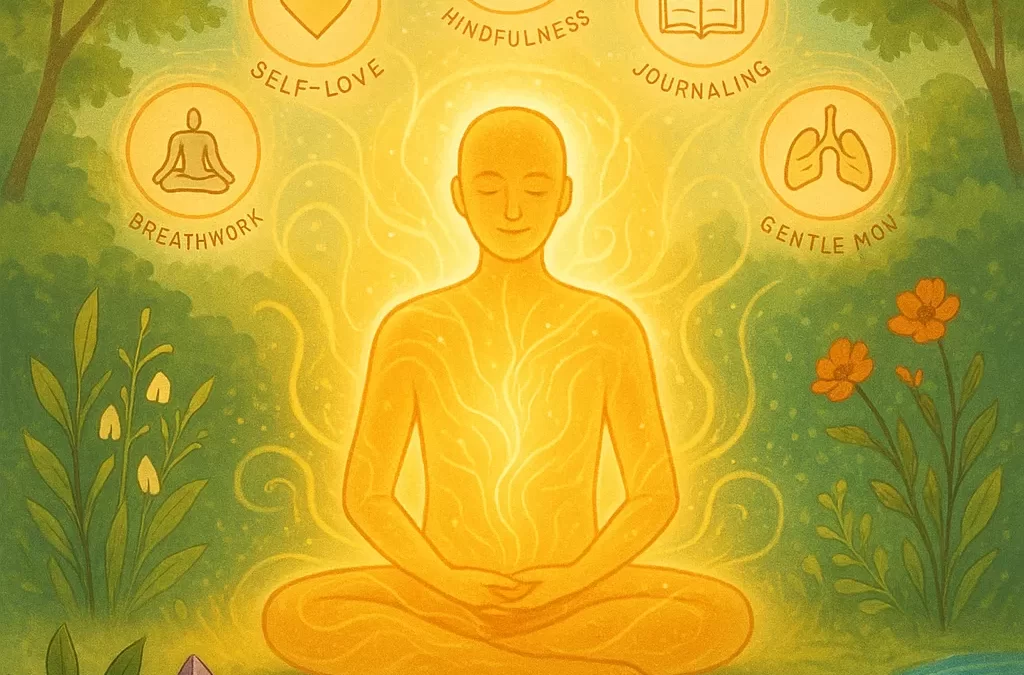
How Does Self Healing Work and Effective Daily Techniques
How Does Self Healing Work and What Are Some Effective Techniques to Practice It in Daily Life?
Self healing is the process by which individuals use their own inner resources to promote physical, mental, and emotional well-being. It works by engaging the body’s natural repair mechanisms through mindful practices, self-awareness, and healthy lifestyle choices. Effective self healing techniques include meditation, mindfulness, journaling, breathwork, and nurturing activities that support both mind and body.
What Does Self Healing Mean?
Self Healing Definition:
The conscious practice of restoring balance and well-being using internal and natural capabilities without relying solely on external treatments.
Encompasses physical, emotional, and psychological health.
Self healing recognizes the mind-body connection, engaging not only the immune system and nervous system but also mental and emotional processes, such as self-reflection, positive thinking, and self-compassion.
How Does Self Healing Work?
What Happens When You Practice Self Healing?
When you engage in self healing techniques, you activate the body’s natural systems for repair and recovery. Practices like mindfulness, meditation, and positive self-talk help regulate the autonomic nervous system, reduce stress hormones (cortisol, adrenaline), and boost the immune system. This holistic approach addresses root causes rather than only symptoms, leading to increased resilience, improved mood, and physical well-being.
Key Entities and Related Concepts
Mindfulness: Focusing on the present moment without judgment.
Neuroplasticity: The brain’s ability to reorganize and form new neural connections.
Homeostasis: The body’s process to maintain internal stability.
Resilience: The capacity to recover from stress or adversity.
Energy Healing: Techniques like Reiki or Qi Gong that aim to enhance the body’s energy flow.
What Are the Most Effective Self Healing Techniques for Daily Life?
People asking “What are some self healing methods?” or “How can I heal myself daily?” often seek practical steps. Here are effective techniques:
1. Mindfulness and Meditation
Meditation: Sets aside time to focus attention and cultivate calmness. Reduces stress and supports brain health.
Mindful Breathing: Brings awareness to each breath, which calms the nervous system and reduces anxiety.
2. Journaling and Self-Reflection
Expressive Writing: Journaling about thoughts and emotions helps process experiences, build clarity, and let go of negativity.
Gratitude Journaling: Listing things you’re thankful for increases positivity and emotional resilience.
3. Body Movement and Exercise
Yoga: Combines physical postures, breathwork, and meditation for overall wellness.
Walking in Nature: Engages body and mind, supports cardiovascular health, and reduces mental fatigue.
Stretching: Releases muscle tension and brings attention to the body’s state.
4. Breathwork (Pranayama)
Slow, deep breathing stimulates the vagus nerve and creates relaxation response, counteracting stress.
Techniques include abdominal breathing, box breathing, and alternate nostril breathing.
5. Positive Self-Talk and Affirmations
Replacing negative thought patterns with positive statements builds self-esteem and mental strength.
Affirmations can be spoken, written, or meditated upon.
6. Supportive Nutrition and Hydration
Eating a balanced diet rich in whole foods supports the body’s ability to repair cells and maintain energy levels.
Staying hydrated ensures optimal function in every cell, tissue, and organ.
7. Rest and Sleep Hygiene
Prioritizing consistent, restful sleep helps the body heal, consolidate memories, and balance mood.
8. Energy Healing Practices
Modalities such as Reiki, acupuncture, and Qi Gong are believed to balance the body’s energy and facilitate healing.
How Can You Start Practicing Self Healing Daily?
To make self healing part of your routine, start small and stay consistent. Choose one or two techniques that resonate with you, such as a morning meditation or a nightly gratitude journal, and gradually build from there. Even five minutes per day can begin to shift mind and body toward well-being.
Example: Simple Self Healing Routine
Morning: 5-minute mindful breathing or meditation
Midday: Short walk outdoors or gentle stretching
Evening: Write three things you’re grateful for in a journal
Bedtime: Practice deep breathing and positive affirmations
Table: Self Healing Techniques at a Glance
Technique
Main Benefit
Time Investment
Meditation
Reduces stress, improves focus
5-20 min daily
Journaling
Emotional clarity, mood boost
5-15 min daily
Breathwork
Calms nervous system
2-10 min daily
Yoga/Stretching
Physical relaxation, mental ease
10-30 min, 2-3x/week
Positive Affirmations
Enhances self-belief
1-5 min daily
Why Is Self Healing Important for Long-Term Health?
By regularly nurturing your mind and body with self healing practices, you build resilience against life’s challenges, reduce the risk of chronic illness, and improve overall quality of life. Over time, these small daily habits compound, leading to measurable improvements in mood, energy, immunity, and self-awareness.
Common Question Variations About Self Healing
How can I start self healing at home?
What is the process of self healing?
Which daily habits improve self healing?
Can anyone learn to heal themselves?
What are holistic self healing methods?
The core answer to all of these is: By understanding your body’s needs, cultivating mindful awareness, and using practical techniques regularly, anyone can enhance their self healing capacity.
Frequently Asked Questions About Self Healing
What is the science behind self healing?
Self healing is supported by research on neuroplasticity, stress reduction, and immune system function. Practices like meditation can measurably lower stress hormones, enhance brain structure, and support the body’s natural repair mechanisms.
Is self healing a substitute for medical treatment?
No. Self healing supports overall well-being and can compliment but not replace professional medical care. Always consult a healthcare provider for injuries or serious health conditions.
How quickly can you notice results from self healing techniques?
It varies. Some people feel immediate calm after meditation or breathwork, while others notice gradual physical and emotional improvements over weeks of consistent practice.
Are there risks in self healing?
Most basic self healing practices are safe, but if approached rigidly or used to avoid needed medical attention, risks may arise. Always balance self care with professional advice when needed.
Can children and older adults benefit from self healing?
Yes. Age-appropriate mindfulness, gentle movement, and positive self-talk can benefit all age groups, supporting focus, emotional resilience, and physical health.
How can I stay motivated to practice self healing daily?
Make your chosen technique enjoyable, keep sessions short, track your progress, and remind yourself of the benefits. Sometimes joining a group or using an app for guidance can help sustain motivation.
What role does nutrition play in self healing?
Nutrition fuels the healing process at cellular level. Eating a balanced diet rich in antioxidants, minerals, and vitamins supports tissue repair, brain health, and energy levels.
Summary
To sum up, self healing involves practical, daily steps that harness the body’s and mind’s own mechanisms for repair and resilience. By integrating meditation, mindfulness, positive self-talk, and healthy routines, you can enhance your physical, emotional, and mental well-being over time.
“`
Leave a Reply