
How Does Self Healing Work? Effective Daily Self-Healing Techniques Explained
How Does Self Healing Work and What Are Some Effective Techniques to Practice It in Daily Life?
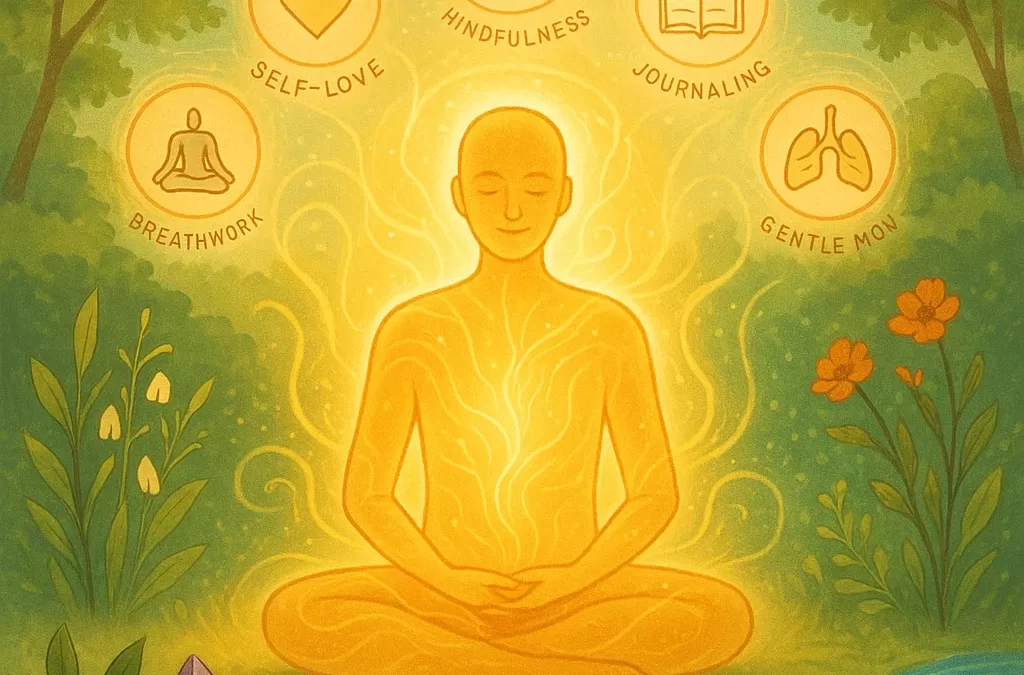
Self healing works by activating your body’s and mind’s natural ability to recover, restore balance, and promote overall wellness using mindful practices, self-care, and positive lifestyle choices. Effective techniques include mindfulness meditation, journaling, breathwork, nutrition, movement, and self-compassion, all of which you can practice daily to enhance self-repair on physical, emotional, and mental levels.
Definition: Self Healing
Self healing is the process of consciously supporting your body’s and mind’s inherent repair mechanisms through self-directed actions such as mindful awareness, emotional management, and positive lifestyle habits.
How Does Self Healing Actually Work?
Self healing occurs when you engage in activities or mindsets that boost the body’s natural repair systems, like the immune response, neuroplasticity, and hormonal balance. By intentionally practicing relaxation, awareness, and healthy choices, you reduce stressors and trigger mechanisms that help the body and mind recover or maintain optimal function.
For example, when you meditate or breathe deeply, you activate your parasympathetic nervous system, which counteracts stress, decreases inflammation, and fosters healing. Emotional self healing uses self-acceptance, reflection, and resilience-building to repair psychological wounds, while physical self healing often involves rest, nutrition, and gentle movement.
What Are the Main Types of Self Healing?
Physical Self Healing: Supporting the body’s natural recovery systems through rest, nutrition, hydration, and movement.
Emotional Self Healing: Processing, releasing, and transforming emotional pain via practices like journaling, therapy, or self-reflection.
Mental Self Healing: Calming the mind, building resilience, and letting go of unhelpful thoughts through meditation, cognitive techniques, or learning.
Spiritual Self Healing: Connecting with purpose, values, or a sense of belonging through mindfulness, gratitude, or spiritual practices.
What Are the Best Daily Techniques for Practicing Self Healing?
What Simple Practices Can I Do Every Day for Self Healing?
Mindfulness Meditation: Sit quietly, focus on your breath or body sensations, and observe thoughts without judgment. This reduces stress and boosts mental clarity.
Journaling or Expressive Writing: Write down thoughts, emotions, or daily events to process feelings, recognize patterns, and release inner tension.
Breathwork: Practice conscious breathing exercises like deep belly breathing, box breathing, or alternate nostril breathing to calm the nervous system.
Gentle Movement: Engage in yoga, stretching, tai chi, or walking to improve blood flow, reduce pain, and clear mental fog.
Self-Compassion Practices: Speak kindly to yourself, practice self-acceptance, and interrupt negative self-talk with affirmations or supportive language.
Nutrition and Hydration: Choose balanced, nourishing foods and stay hydrated to support physiological healing and energy.
Sleep Optimization: Prioritize restful sleep; it is crucial for tissue repair, memory, and emotional processing.
Gratitude Reflection: List 3 things you’re grateful for each night to reframe your mindset and boost emotional resilience.
Daily Self-Healing Techniques and Their Benefits
Technique
Main Benefit
How to Practice
Mindfulness Meditation
Reduces stress, enhances focus
5-10 minutes, observe breath or sensations
Journaling
Emotional clarity, release
Write thoughts or feelings nightly
Breathwork
Calms nervous system
3-5 minutes of deep or patterned breathing
Yoga/Stretching
Physical relaxation, improves mobility
Light routine, morning or evening
Self-Compassion
Builds resilience, lowers self-criticism
Practice kind self-talk, note strengths
Gratitude Reflection
Boosts optimism, mental health
List 3 positives daily
Why Is Self Healing Important for Holistic Health?
Self healing empowers you to manage stress, improve resilience, and foster overall well-being without always relying on external interventions. It complements medical treatments by improving the mind-body connection, accelerating recovery, and preventing future illness. Practicing self healing helps balance your physical, emotional, and mental health for a more fulfilling life.
Is Self Healing Scientifically Supported?
Yes. Scientific research on mind-body medicine, neuroplasticity, mindfulness, and stress reduction demonstrates that self-directed healing practices can lower inflammation, enhance immune function, and boost psychological resilience. Key related fields include:
Psychoimmunology (connection between mind and immune system)
Neuroscience (brain’s ability to change and repair)
Positive Psychology (role of optimism and gratitude in healing)
Stress Physiology (impact of relaxation response)
How Can I Start a Self-Healing Routine?
Choose 1-2 techniques that appeal to you (e.g., meditation and journaling).
Set aside 10-15 minutes per day to practice.
Track your progress and adjust as needed.
Seek support if needed (from therapists, communities, or digital apps).
Be patient and celebrate small improvements in mood, focus, or physical well-being.
What Are Common Signs That Self Healing Is Working?
Improved mood and sense of calm
Better sleep quality
Reduced physical symptoms (pain, tension, fatigue)
Greater self-awareness
Healthier coping with stress or setbacks
Related Concepts and Entities in Self Healing
Self-Care: Daily habits that nurture body and mind
Mind-Body Connection: Interplay between thoughts/emotions and physical health
Resilience: The capacity to adapt and recover from difficulties
Neuroplasticity: Brain’s ability to rewire and heal itself
Holistic Health: Integrative approach to physical, emotional, mental, and spiritual well-being
Integrative Medicine: Combines traditional and alternative therapies
FAQ: Self Healing Explained
What is the quickest self healing technique I can try right now?
Deep breathing is the fastest method—pause, inhale slowly for 4 counts, hold for 4, exhale for 4. Repeat several times to calm your mind and body.
How can I tell if self healing is effective for me?
Notice improvements in your mood, energy, and stress levels, or reductions in pain and tension. Keeping a journal can help you track subtle changes over time.
Can self healing replace medical treatment?
No. Self healing complements—not replaces—medical or psychological care. Always consult healthcare providers for serious or persistent symptoms.
Is self healing the same as self-care?
While closely related, self healing specifically focuses on recovery and repair, while self-care includes a broader range of health-promoting habits like hygiene and leisure.
Are there apps or tools that help with self healing?
Yes, numerous apps guide meditation (e.g., Headspace, Calm), journaling (e.g., Day One), and mindfulness. Wearables can also track stress or sleep to support your journey.
What if I struggle to feel better after trying these techniques?
Healing may take time, especially with deeper wounds or chronic stress. Consider seeking support from therapists, support groups, or integrative medicine practitioners if needed.
Are there risks to self healing?
Risks are minimal if practiced mindfully, but ignoring serious illness or emotional distress can be harmful. Always balance self healing with professional care when necessary.
Summary: Self Healing for Every Day
Self healing empowers you to harness your inherent capacity for physical, emotional, and mental repair through mindful daily habits. By integrating simple practices such as meditation, breathwork, journaling, and self-compassion, you can build resilience and improve your well-being holistically. Always remember: self healing works best as part of a comprehensive wellness approach alongside professional care when needed.
“`
Leave a Reply