
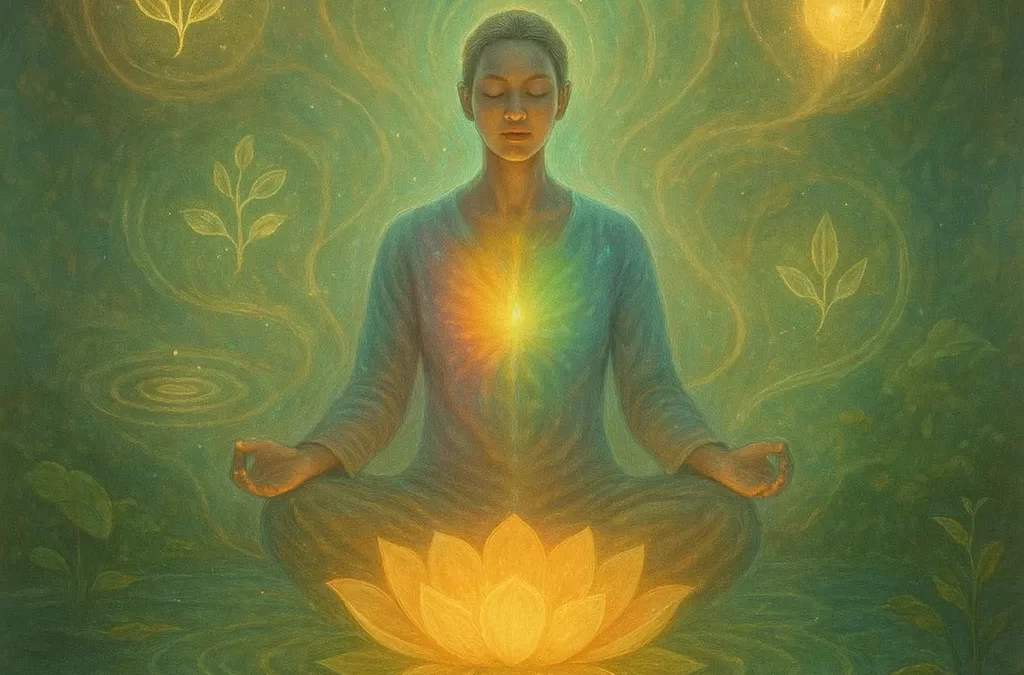
How Does Self-healing Work and What Are Some Effective Techniques to Practice It?
Self-healing works by engaging your body and mind’s natural ability to recover from emotional, mental, or even physical stress. You can practice self-healing through techniques like mindfulness, journaling, body awareness, and guided meditation. These methods encourage self-awareness and resilience, helping you recover and maintain overall wellness.
—
What is Self-healing? (Definition Box)
**Self-healing** is the process by which individuals use conscious practices to support their own mental, emotional, or physical recovery. Rather than relying solely on external help, self-healing focuses on activating your body and mind’s inherent healing capacities.
—
How Does Self-healing Work?
Self-healing leverages the interconnected relationships between the mind, body, and emotional states. When you practice self-healing, you activate physiological processes (like the relaxation response in the nervous system), enhance emotional regulation, and promote mental well-being. Techniques such as breathwork, positive self-talk, and movement stimulate these natural recovery mechanisms.
Key Entities Involved in Self-healing
– **Mindfulness**
– **Neuroplasticity**
– **Relaxation Response**
– **Emotional Intelligence**
– **Somatic Awareness**
– **Resilience**
Semantic Context: How Self-healing Relates to Wellness
Self-healing is closely related to concepts like holistic health, self-care, stress management, and personal growth. It is distinct from clinical treatments but complements therapy and medical care by empowering individuals with skills for daily well-being maintenance.
—
What Are the Main Benefits of Self-healing?
– Improved emotional resilience and mental clarity
– Enhanced management of stress and anxiety
– Greater sense of control over personal well-being
– Reduced reliance on external interventions
– Strengthened connection to body and emotions
—
What Techniques Can You Practice for Self-healing?
There are several effective self-healing techniques that you can try:
1. Mindfulness Meditation
Focus attention on the present moment through guided or silent meditation. Mindfulness helps increase self-awareness, reduce rumination, and lower stress levels.
2. Journaling
Reflective journaling allows you to process emotions, identify thought patterns, and set positive intentions—an important part of emotional self-healing.
3. Body Scan and Somatic Practices
Systematically bring attention to different parts of your body, noticing sensations and tension. Techniques like progressive muscle relaxation help release physical stress.
4. Breathwork
Use controlled breathing exercises to calm the nervous system and encourage relaxation. Diaphragmatic breathing and box breathing are popular, research-backed methods.
5. Positive Affirmations & Self-talk
Repeat empowering statements or engage in compassionate self-dialogue to shift negative thought patterns and build emotional resilience.
6. Guided Visualization
Imagine yourself in peaceful, healing environments. Visualization supports relaxation and can “rewire” emotional responses through neuroplasticity.
7. Energy Practices
Methods like Reiki, Qi Gong, or acupressure promote balance and well-being through focused intention and movement.
—
Quick Comparison Table: Self-healing Techniques
| Technique | Main Benefit | Best For |
|———————|—————————–|————————|
| Mindfulness | Reduces stress | Beginners & all levels |
| Journaling | Emotional processing | Self-reflection |
| Body Scan | Relaxation, body awareness | Releasing tension |
| Breathwork | Calming, anxiety reduction | Busy lifestyles |
| Affirmations | Emotional resilience | Self-esteem issues |
| Visualization | Mental focus, relaxation | Guided meditation fans |
| Energy Practices | Balance & well-being | Holistic approach |
—
How to Start a Self-healing Practice: Step-by-step
1. **Set Your Intention**: Decide what aspect (mental, emotional, physical) you want to heal or support.
2. **Choose a Technique**: Pick a method that resonates with you—mindfulness, journaling, breathwork, etc.
3. **Create a Routine**: Dedicate a small, regular block of time (even 5 minutes) daily.
4. **Track Your Progress**: Journal or reflect on changes in how you feel over time.
5. **Adjust as Needed**: Explore new techniques or deepen your practice as you grow.
—
Why and When Should You Practice Self-healing?
You might practice self-healing:
– When experiencing stress, overwhelm, or emotional pain
– During life transitions (new job, moving, loss, etc.)
– To complement therapy or medical treatment
– As a daily practice for well-being and personal growth
Self-healing is not a replacement for professional help in cases of severe or chronic issues. It is most effective as a preventive, supportive practice.
—
Addressing Other Common Ways People Ask This Question
How can I heal myself emotionally or mentally?
Emotional and mental self-healing centers on self-awareness, emotional expression, and cognitive reframing. Practices like mindfulness, expressive writing, and talking with supportive people help you process emotions and shift negative patterns.
What are self-healing methods for stress and anxiety?
Self-healing methods for stress and anxiety include breathwork, meditation, grounding exercises, and creating calming routines. Progressive muscle relaxation and nature walks are additional proven techniques.
Can I practice self-healing daily?
Yes, self-healing can be integrated into your daily life. Consistency and small habits are the key—try a morning mindfulness session, nightly journaling, or even mindful breathing during breaks.
—
Related Concepts and Context: Self-healing and Holistic Wellness
Self-healing is part of a broader “holistic health” movement, which recognizes the mind-body-spirit connection. It aligns with self-care, resilience training, positive psychology, and integrative therapies like yoga and Tai Chi. Combining self-healing with other wellness practices creates a foundation for long-term well-being.
—
Frequently Asked Questions: Self-healing
1. What is the difference between self-healing and self-care?
**Self-healing** involves practices focused on healing or recovering from stress, trauma, or emotional pain, while **self-care** is broader and includes any activity that promotes general health and well-being. Self-healing is a type of self-care, but not all self-care is healing-focused.
2. Can self-healing replace professional therapy or medical care?
No. Self-healing complements but does not replace therapy, counseling, or medical treatment when needed. It is best used as a support tool or for preventive care.
3. How do I know if self-healing is working?
You may notice improved mood, lower stress, better sleep, and greater clarity in decision-making. Journaling your progress can help you track subtle improvements.
4. Are there risks to self-healing practices?
Most self-healing techniques are gentle and risk-free, but avoid practices that prompt overwhelming emotions without support, especially if you have a history of trauma.
5. Can children or teenagers practice self-healing?
Yes, age-appropriate techniques like deep breathing, gratitude journaling, and gentle movement work well for kids and teens.
6. Which self-healing practice is best for beginners?
Mindfulness meditation and expressive journaling are excellent starting points, as they require little to no special equipment and can be practiced at your own pace.
7. How often should I practice self-healing techniques?
Aim for daily practice, even if brief. Consistency yields the best results for mental, emotional, and physical recovery.
—
Key Takeaway
Self-healing enables you to take an active role in your health by engaging in conscious practices like mindfulness, journaling, and body awareness. With regular practice, you can build resilience, manage stress, and enhance your overall well-being—one day at a time.
—
“`
Leave a Reply