
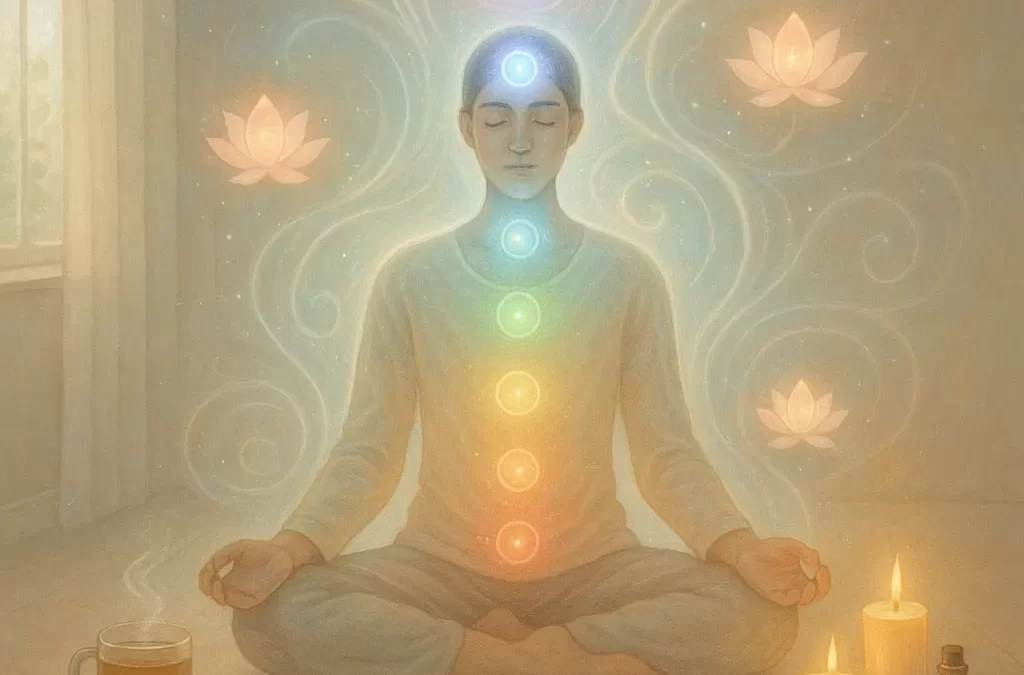
How Does Self Healing Work and Practical Techniques to Start at Home
How Does Self Healing Work and What Are Some Practical Techniques to Start Self Healing at Home?
Direct Answer: Self healing is the process where individuals use physical, mental, and emotional practices to promote their own recovery, reduce stress, and enhance wellbeing. It works by engaging the mind-body connection to activate the body’s natural repair mechanisms, and simple techniques like mindfulness, deep breathing, and journaling can be practiced at home to support this process.
What is Self Healing?
Self healing refers to a set of actions and mental attitudes that enable a person to support their own healing, across body, mind, and spirit. It involves self-awareness, intentional practices, and nurturing habits that promote recovery from stress, emotional trauma, or even minor physical ailments.
Self Healing Defined:
Self healing is the intentional process of supporting one’s own physical, mental, and emotional recovery through conscious practices and lifestyle choices.
How Does Self Healing Actually Work?
Self healing leverages the mind-body connection, meaning our thoughts, emotions, and mental state can directly affect physical health and healing processes. When you use self healing techniques, you are:
Activating the body’s parasympathetic (rest and digest) nervous system
Reducing inflammation and stress hormones
Encouraging release of endorphins and healing chemicals
Changing negative thought patterns that can slow recovery
Related Entities and Concepts
Mindfulness and Meditation
Stress Reduction
Holistic Healing
Neuroplasticity
Somatic Practices
Restorative Sleep
Healthy Lifestyle Habits
What Are Practical Self Healing Techniques You Can Start at Home?
Many self healing techniques are simple, require no special equipment, and can be practiced at home. Here are the most accessible and effective methods:
1. Mindful Breathing
Sit comfortably and close your eyes
Slowly inhale for a count of four
Hold the breath for a count of four
Exhale for a count of four
Repeat for several minutes
How it works: Calms the nervous system, reduces stress, and centers your mind.
2. Meditation and Mindfulness
Practice guided meditations using apps or online videos
Spend five to ten minutes focusing on your breath or bodily sensations
Gently return to the present when distracted
How it works: Reduces mental clutter, improves self-awareness, and supports emotional balance.
3. Journaling for Self Reflection
Write daily about your feelings, thoughts, and experiences
Use prompts like “What am I grateful for today?”
Review your progress and challenges regularly
How it works: Helps process emotions, clarify goals, and spot negative thought patterns.
4. Gentle Movement Practices
Begin a yoga or tai chi routine at home
Try stretching or easy mobility exercises
Walk in nature for 20-30 minutes
How it works: Releases tension, improves circulation, and supports body awareness.
5. Self Compassion Exercises
Practice speaking kindly to yourself in the mirror
Write a compassionate letter to yourself
List your strengths and past successes
How it works: Builds resilience, nurtures self-acceptance, reduces harsh self-criticism.
Self Healing Techniques Comparison Table
Technique
Purpose
Time Needed
Best For
Mindful Breathing
Relaxation, calming anxiety
2-10 min
Quick stress relief
Meditation
Mental clarity, emotional balance
5-20 min
Mood, focus improvement
Journaling
Emotional processing, self-reflection
5-15 min
Understanding thoughts/feelings
Yoga/Tai Chi
Mind-body harmony, mobility
15-30 min
Physical and mental balance
Self Compassion
Boosting self-esteem, reducing negativity
5-10 min
Self-growth, healing emotional wounds
How to Start Self Healing: A Step-by-Step Guide
Set Your Intention: Decide why you want to heal and what area you want to focus on.
Choose 1-2 Techniques: Start with simple practices like mindful breathing and journaling.
Commit to Consistency: Practice daily, even for a few minutes, to build a habit.
Reflect on Progress: Notice changes in mood, energy, and stress levels over time.
Expand Your Toolbox: As you feel comfortable, add other self healing methods, like gentle movement or guided meditations.
Self Healing Success Tips
Be patient; self healing is gradual
Start small and don’t overwhelm yourself
Track your experience in a self healing journal
Celebrate small improvements and personal insights
If needed, consult a healthcare professional for support
Why Is Self Healing Important?
Self healing empowers people to take control of their wellbeing, fosters greater resilience, and improves both mental and physical health outcomes. It’s a key part of a holistic health approach and is recognized by wellness communities, therapists, and integrative medicine practitioners as a valuable adjunct to conventional care.
Common Questions About Self Healing
FAQ
1. Can anyone practice self healing?
Yes, self healing practices are accessible to most people, regardless of age or background. It’s always wise to consult with a medical professional for serious or persistent health concerns.
2. How long does it take to notice results from self healing?
Some people notice reduced stress or improved mood within days, while other benefits can emerge over a few weeks of consistent practice.
3. Are self healing techniques safe?
Most self healing practices are safe, gentle, and low-risk, but they should not replace professional treatment for serious conditions.
4. What’s the difference between self healing and medical treatment?
Self healing focuses on personal empowerment and lifestyle changes, while medical treatments are administered by trained healthcare professionals. They can complement each other for optimal wellbeing.
5. Which self healing practice is best for beginners?
Mindful breathing and journaling are excellent starting points because they are easy to learn, free, and do not require equipment.
6. Can self healing help with anxiety or depression?
Self healing can help relieve mild symptoms by promoting relaxation and emotional resilience, but chronic anxiety or depression should also be addressed with a professional therapist.
7. Do I need a special environment for self healing?
No, you can practice most techniques at home—just try to find a quiet, comfortable space where you won’t be disturbed for a few minutes.
In Summary: Embracing Self Healing at Home
Self healing works by harnessing your body’s and mind’s natural ability to recover and grow. Starting is simple: choose a technique, practice consistently, and observe how your wellbeing shifts over time. While self healing can be both empowering and transformative, it can also complement traditional health care for the best results.
“`
Leave a Reply