
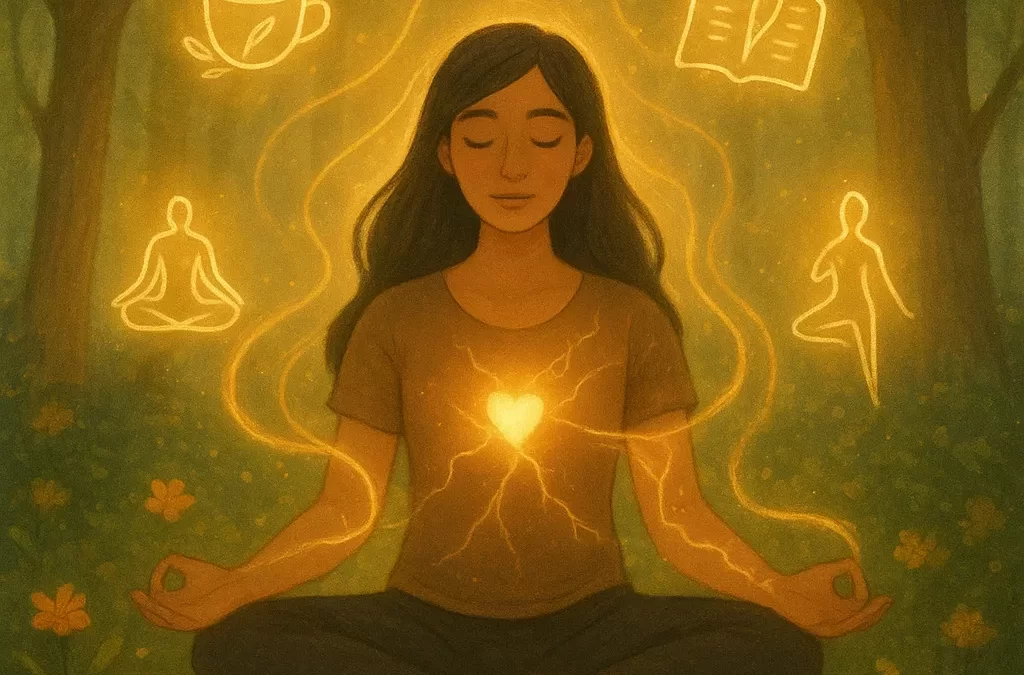
How Does Self Healing Work and Practical Steps to Start
How Does Self Healing Work and What Practical Steps Can You Take to Start the Process?
Self healing is the process by which individuals use their own awareness, resources, and actions to promote physical, emotional, and mental recovery. It involves recognizing your own capacity to initiate healing and leveraging practical steps—such as mindfulness, healthy routines, and emotional expression—to foster your wellbeing. To start self healing, you need to develop self-awareness, adopt supportive habits, and create an environment conducive to growth and recovery.
What is Self Healing?
Definition: Self healing refers to the innate ability of individuals to recover from physical, emotional, or psychological challenges through self-directed practices and lifestyle changes.
Related Entities: Mindfulness, meditation, trauma recovery, personal growth, neuroplasticity, emotional regulation, holistic health.
Contexts: Physical healing, mental health, stress management, spiritual growth.
How Does Self Healing Work?
Self healing works by activating the mind-body connection: your thoughts, emotions, and behaviors directly influence your physical and emotional health. Techniques such as mindfulness, deep breathing, and positive self-talk can change your body’s stress response, promote neuroplasticity (your brain’s ability to rewire itself), and support immune function. The process involves both conscious mental strategies and unconscious biological mechanisms working together.
How Can You Start the Self Healing Process?
Anyone can begin self healing with intentional and consistent actions. Here are practical, evidence-based steps to support your journey:
1. Cultivate Self-Awareness: Keep a journal to track thoughts, feelings, and physical symptoms. Self-reflection helps you identify what needs attention.
2. Practice Mindfulness: Engage in daily mindfulness meditation or simple breathing exercises to calm the mind and body.
3. Move Your Body: Regular physical activity, such as walking, yoga, or tai chi, supports physical and emotional healing.
4. Express Emotions: Allow yourself to feel and express your emotions through art, writing, or speaking to a trusted friend or therapist.
5. Nourish Your Body: Eat a balanced diet, stay hydrated, and prioritize sleep to give your body the tools it needs to recover.
6. Build Supportive Routines: Develop routines that reduce stress and create structure, such as consistent sleep and wake times.
7. Set Boundaries: Learn to say no to negative influences and create space for activities that support healing.
What Techniques Support Self Healing?
Technique
Description
Benefits
Related Concepts
Mindfulness Meditation
Paying non-judgmental attention to the present moment
Reduces stress, improves emotional regulation
Stress relief, self-compassion
Deep Breathing
Slow, controlled breathing exercises
Activates relaxation, lowers cortisol
Vagus nerve, relaxation response
Movement Practices
Yoga, walking, tai chi, dancing
Boosts mood, improves physical health
Physical therapy, endorphins
Creative Expression
Art, music, journaling, dancing
Processes emotions, enhances resilience
Art therapy, emotional release
Healthy Habits
Nutrition, hydration, sleep
Supports body’s healing systems
Immune function, energy balance
Why is Self Healing Important?
Self healing empowers individuals to take an active role in their recovery and overall health. This approach recognizes that while professional help is valuable, long-term healing often depends on daily choices and self-care strategies. The ability to self-heal builds resilience, improves emotional intelligence, and helps prevent recurrent issues.
What Are Common Barriers to Self Healing?
Unresolved Trauma: Past experiences may block progress.
Negative Self-Talk: Internal criticism can undermine healing efforts.
Lack of Support: Healing alone can feel overwhelming—community helps.
Impatience: Healing is a gradual process; expecting quick results may lead to frustration.
How Long Does Self Healing Take?
The timeline for self healing is unique for each person, depending on individual circumstances, the type of challenge, and the consistency of practice. Some may notice positive changes in weeks, while others require months or longer. Key factors include personal commitment, available support, and the complexity of issues being addressed.
Can You Combine Self Healing With Professional Help?
Absolutely. Many people blend self healing practices with guidance from therapists, doctors, or holistic health professionals. This integrative approach often leads to the best outcomes, especially for complex or chronic conditions.
Alternative Questions People Ask About Self Healing
What are the steps to start healing myself emotionally?
How does self healing help with mental health?
Which self healing methods work best for trauma?
How can I promote healing in my body naturally?
What habits support the self healing process?
Self Healing vs. Conventional Healing: What’s the Difference?
Aspect
Self Healing
Conventional Healing
Focus
Individual actions, habits, and awareness
Medical treatment, medication, procedures
Role
Active self-participation
Expert-driven (doctor, therapist, etc.)
Examples
Mindfulness, nutrition, journaling
Surgery, prescription drugs, counseling
Best For
Prevention, emotional growth, ongoing maintenance
Acute illness, emergencies, severe mental illness
FAQ: Self Healing Questions and Answers
1. Can anyone learn to self heal?
Yes, most people can learn self healing strategies, though the process and outcome can vary widely depending on individual needs and circumstances.
2. Does self healing replace medical treatment?
No, self healing can complement but should not replace professional care, especially for serious physical or mental health conditions.
3. What are quick self healing techniques to try daily?
Try deep breathing for five minutes, a gratitude journal entry, gentle stretching, or mindful walking—each supports daily balance and wellness.
4. Is self healing only about mental health?
No, self healing addresses physical, emotional, and spiritual health. Many techniques support overall wellness, including immune function and pain management.
5. How do I know if self healing is working?
Signs include improved mood, better stress management, increased energy, and clearer thinking. Keeping a journal helps track progress.
6. Are there risks to practicing self healing?
Most practices are safe, but delaying professional care for serious issues can be risky. Always seek help when needed, and use self healing as a supplement.
7. Can self healing help with trauma recovery?
Yes, many trauma survivors find self healing techniques like mindfulness and expressive arts therapy beneficial, but support from trauma specialists is often crucial.
Summary: Key Takeaways for Starting Self Healing
Self healing means actively participating in your own recovery using tools like mindfulness, movement, and nourishment.
Start with small, consistent steps—awareness and routine are essential.
Combine self healing with professional support for best results.
Healing is a holistic and ongoing journey, unique to every person.
“`
Leave a Reply