
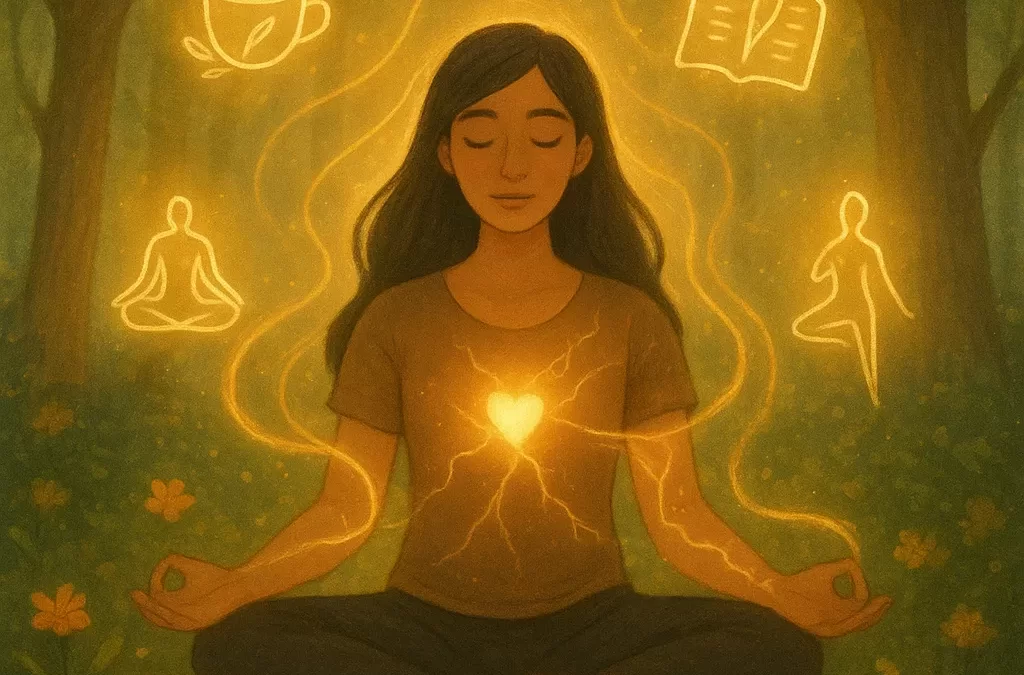
How Does Self-Healing Work and What Practical Steps Can You Take to Start the Process?
How Does Self-Healing Work and What Practical Steps Can You Take to Start the Process?
Self-healing is the body and mind’s natural process of recovering from physical, emotional, or psychological distress using internal resources and resilience. To start self-healing, individuals can adopt practical steps such as cultivating self-awareness, practicing mindfulness, and embracing healthy lifestyle habits. The process involves both understanding and supporting your innate ability to regain balance and wellbeing.
What is Self-Healing? (Definition & Context)
Definition: Self-healing refers to the body’s and mind’s capacity to restore health, recover from illness, or attain emotional balance without external intervention.
Related Entities: Mindfulness, resilience, immune system, emotional regulation, homeostasis, self-care, neuroplasticity.
The concept of self-healing can apply to both the physical body—like when a wound closes—and the mind—such as recovering from stress or trauma. Self-healing is both a biological and a psychological process, making it central to holistic health and wellness approaches.
How Does Self-Healing Work? (Mechanisms & Science Explained)
What Happens in the Body During Self-Healing?
When you experience injury or distress, your body activates several mechanisms:
Immune Response: The immune system detects and fights infections or repairs tissue damage.
Neuroplasticity: The brain adapts, rewires, and learns from experiences, promoting emotional and mental healing.
Hormonal Balance: Hormones like cortisol and endorphins help regulate stress and mood.
Homeostasis: The body strives for internal stability, restoring equilibrium after disruption.
How Does Self-Healing Work Mentally and Emotionally?
Mentally, self-healing revolves around emotional processing, self-awareness, and adaptive coping:
Emotional Regulation: Recognizing and managing your emotions helps reduce emotional pain and fosters healing.
Resilience: Building resilience enables you to bounce back from stress and adversity.
Positive Self-Talk: Encouraging, optimistic messages support mental healing.
What Are Practical Steps to Start Self-Healing?
If you’re asking “How can I heal myself?” or “Where do I start with self-healing?”, here are science-backed, practical steps:
Increase Self-Awareness: Spend time reflecting on your emotions, thoughts, and physical sensations each day.
Practice Mindfulness: Engage in mindful meditation, breathing exercises, or yoga to reduce stress and become present.
Adopt Nourishing Habits:
Eat a balanced, whole-food diet.
Stay hydrated.
Get regular, restorative sleep.
Exercise—even light movement like walking counts.
Process Emotions: Journal, talk to a trusted friend, or express yourself through art, music, or writing.
Reduce Stress: Identify stressors and use relaxation techniques like deep breathing or gentle stretching.
Seek Connection: Positive social ties promote psychological healing and resilience.
Set Boundaries: Learn to say no and protect your time and emotional energy.
Self-Healing Starter Table
Step
Why It Works
How to Try
Self-Awareness
Recognizes triggers and patterns
5 minutes of daily journaling
Mindfulness
Reduces stress, boosts immunity
10 minutes of mindful breathing
Nourishing Habits
Supports physical regeneration
Nutritious meals, hydration, sleep
Emotional Processing
Prevents emotional suppression
Talk with a friend or therapist
Social Connection
Boosts mood, alleviates loneliness
Weekly connection with loved ones
What Are the Benefits and Limits of Self-Healing?
Benefits: Enhanced wellbeing, reduced anxiety, improved immunity, clearer thinking, and greater resilience.
Limits: Self-healing supports but may not replace medical or psychological treatment for serious conditions. Seeking professional help is advised when needed.
What Are Common Barriers to Self-Healing?
Chronic Stress: Ongoing tension can repress the natural healing response.
Negative Self-Beliefs: Doubting self-worth or capacity to heal blocks progress.
Lack of Support: Social isolation or absence of resources can hinder the process.
Poor Habits: Unhealthy lifestyle choices may interfere with physical and mental recovery.
How to Make Self-Healing Part of Your Daily Routine?
Schedule time for mindful self-check-ins every day.
Prioritize sleep and nourishing foods.
Stay active in ways that suit your abilities and enjoyments.
Surround yourself with positive influences and support networks.
Monitor progress with journaling or mood tracking apps.
Related Topics and Entities in Self-Healing
Mind-Body Connection
Holistic Health
Stress Management
Emotional Intelligence
Wellness Practices (meditation, yoga, tai chi)
Ways People Commonly Ask About Self-Healing
How can I start self-healing?
What steps do I need to heal myself emotionally?
Is it possible to heal yourself physically and mentally?
What are self-healing techniques?
What helps your body heal faster?
How do you recover emotionally on your own?
Frequently Asked Questions (FAQ)
1. Can everyone self-heal, or is it for certain people only?
Everyone has a natural self-healing capacity, though individual differences such as genetics, lifestyle, and social support influence how quickly and fully someone may heal. Most people can enhance their healing ability with intentional practices.
2. What is the difference between self-healing and self-care?
Self-care is a practice—like resting, eating healthily, or relaxing—aimed at maintaining wellbeing. Self-healing is the result or process enabled by self-care and other supportive actions, helping the body and mind recover from problems or injuries.
3. How long does it take to see results from self-healing practices?
Some benefits, like reduced stress or increased calm, can be noticed quickly, while deeper healing—especially for emotional wounds—can take weeks or months. Consistency and patience are key.
4. When should I seek professional help instead of relying on self-healing?
If symptoms persist, worsen, or disrupt daily functioning—a doctor, mental health professional, or therapist should be consulted. Self-healing supports but does not replace professional care for medical or psychological conditions.
5. What are examples of effective self-healing techniques?
Popular self-healing approaches include mindfulness meditation, expressive writing, deep breathing, physical activity, creative arts, and practices like tai chi or yoga. The effectiveness often comes from consistency and alignment with individual needs.
6. Are there risks to trying self-healing methods?
Most self-healing practices are safe, but ignoring symptoms of serious illness, using unproven remedies, or avoiding necessary treatment can be risky. Always balance self-healing with medical guidance when appropriate.
7. Does positive thinking help in self-healing?
Yes, research shows positive thinking can reduce stress and help the body recover more quickly. However, authentic emotional processing is just as important; suppressing negative emotions may delay healing.
Self-healing blends science and self-awareness, empowering you to take small, consistent steps toward a healthier, more resilient life. Start with simple actions and seek guidance when needed to support your unique journey.
“`
Leave a Reply