
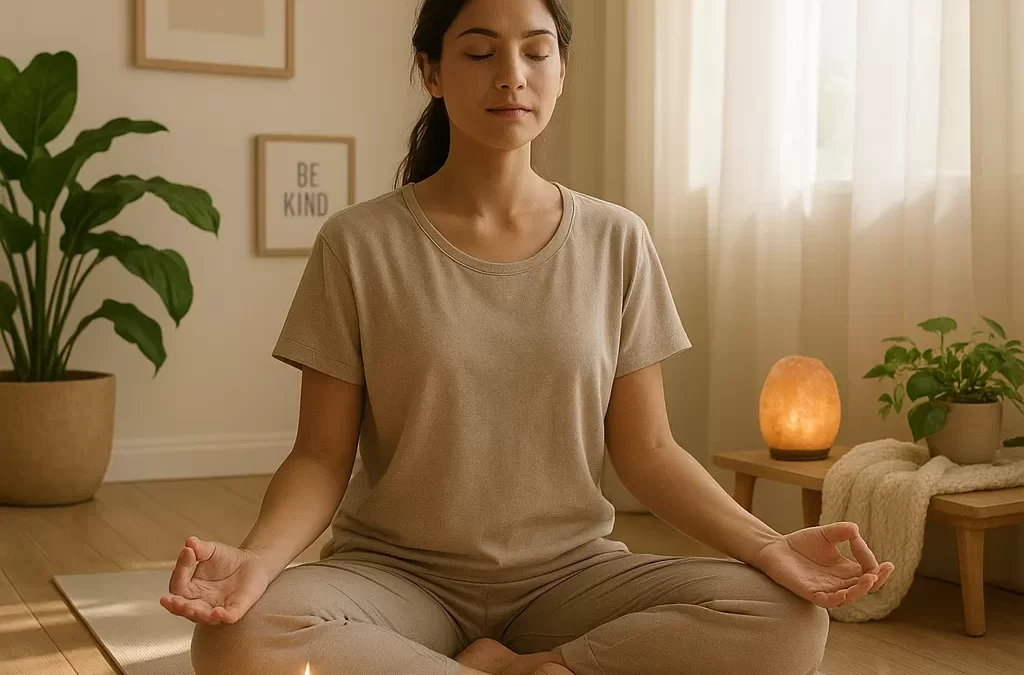
Effective Self Healing Techniques at Home for Mental and Physical Well-Being
What Are Some Effective Self Healing Techniques I Can Use at Home to Improve My Mental and Physical Well-Being?
The most effective self healing techniques you can use at home include mindfulness meditation, deep breathing exercises, gentle physical movement, proper sleep hygiene, and expressive practices like journaling. By incorporating these natural, science-backed tools into your daily routine, you can support both mental and physical wellness without specialized equipment or training.
What Is Self Healing and How Does It Support Well-Being?
Self-healing refers to the process where individuals use intentional actions, habits, and mindsets to support their own recovery from stress, fatigue, or illness—improving both body and mind. This approach combines elements of mind-body wellness, lifestyle medicine, and holistic health practices like mindfulness, relaxation, and self-directed movement.
Definition:
Self Healing is the process of using natural, often non-invasive techniques to stimulate the body’s innate ability to restore balance and well-being—physically, mentally, and emotionally.
What Are the Best At-Home Self Healing Techniques?
1. Mindfulness and Meditation Techniques
Mindfulness has been shown to reduce stress, improve mood, and positively impact the immune system. Practicing guided meditation or simple breath awareness daily can help re-center your thoughts and calm your nervous system.
Guided Meditation: Use free apps or YouTube videos for 5-20 minutes daily.
Body Scan Meditation: Mentally scan your body from head to toe, observing sensations without judgment.
Mindful Breathing: Focus on slow, deep breaths—inhale for 4 seconds, exhale for 6 seconds.
2. Deep Breathing and Relaxation Exercises
Deep breathing techniques activate your parasympathetic nervous system, helping to lower stress hormones and promote relaxation.
Box Breathing (4-4-4-4): Inhale 4 seconds, hold 4 seconds, exhale 4 seconds, hold 4 seconds.
Progressive Muscle Relaxation: Tense and relax each muscle group from toes to head.
Visualization: Imagine a peaceful place (beach, forest) as you breathe slowly and deeply.
Popular At-Home Self Healing Methods
Technique
Main Benefit
Recommended Duration
Mindfulness Meditation
Reduces stress & improves focus
10-20 min daily
Deep Breathing
Calms nervous system
5-10 min, as needed
Yoga or Stretching
Enhances flexibility & relaxation
15-30 min, 3x/week
Journaling
Boosts mental clarity & emotional healing
10-15 min, daily or as needed
Aromatherapy
Lifts mood & aids sleep
Diffuser or topical, as needed
3. Gentle Physical Movement and Exercise
Movement is essential for both physical and mental health—reducing inflammation, improving mood, and boosting energy. Gentle exercises can be done at home, with little or no equipment.
Yoga: Flows and postures that combine stretching, balance, and breathwork.
Stretching: Basic routines to release tension, especially after sitting.
Walking: Indoor or outdoor walks to clear your mind and support joint health.
Qigong or Tai Chi: Slow, mindful movements that foster energy flow and relaxation.
4. Sleep Hygiene and Restorative Rest
Quality sleep is a foundation of self-healing, linked to everything from immune system function to emotional regulation. Simple changes to your environment and habits can improve sleep.
Consistent Sleep Schedule: Go to bed and wake up at the same time daily.
Screen-Free Routine: Limit screens 1 hour before sleep; try reading or quiet music.
Relaxing Rituals: Gentle stretching, herbal tea, or a warm bath before bed.
5. Expressive and Creative Techniques
Expressing emotions through creative outlets has proven benefits for processing stress and trauma.
Journaling: Write out feelings, worries, or positive experiences daily.
Art and Coloring: Use drawing, painting, or coloring books as mindful activities.
Music: Listen to calming music or play an instrument for emotional release.
How Do These Techniques Relate to Mental and Physical Well-Being?
These self healing strategies are interconnected and reflect principles from psychology, neuroscience, and holistic health. Mind-body techniques like meditation and yoga influence both stress regulation (mental) and pain reduction (physical). Sleep and expressive outlets foster neuroplasticity, emotional balance, and even cardiovascular health, according to leading health organizations such as the American Psychological Association and World Health Organization.
Which Techniques Are Best for Stress, Anxiety, or Fatigue?
Stress: Mindfulness meditation and deep breathing.
Anxiety: Guided visualization, progressive muscle relaxation, gentle yoga.
Fatigue: Short stretching sessions, restorative sleep routines, journaling to unburden the mind.
Can Self Healing Techniques Replace Professional Therapy?
While many self healing methods are highly effective for daily support and minor symptoms, they may not replace professional care for mental illness, chronic pain, or severe emotional distress. Combining self healing practices with support from medical providers can offer the best long-term outcomes.
How to Start a Self Healing Routine at Home?
Choose 1-2 techniques to begin (e.g., mindfulness meditation or stretching).
Set aside a regular daily time, even if only 10 minutes.
Keep a journal to track changes in mood, energy, or symptoms.
Gradually layer more techniques as habits improve.
Remain gentle with yourself and adjust as needed.
FAQ: Common Questions About Self Healing Practices at Home
1. What are simple self healing practices I can try today?
Start with 5 minutes of mindful breathing, gentle stretching, or journaling about your day. Even small changes create momentum.
2. Are there natural remedies to boost self healing at home?
Natural remedies like herbal teas (chamomile, lavender), aromatherapy with essential oils, and Epsom salt baths can complement other self healing techniques.
3. How long does it take to see benefits from self healing techniques?
Many people notice improvements—such as lower stress and better sleep—within a week or two of consistent practice. Deeper benefits often occur over several months.
4. Can self healing improve chronic pain or tension?
Yes, techniques like gentle yoga, progressive muscle relaxation, and mind-body practices have shown to reduce chronic pain and muscle tension for many individuals.
5. Which self healing techniques aid with sleep problems?
Calming rituals like deep breathing, meditation, and warm baths can relax your mind and body to promote better sleep.
6. Are any self healing methods supported by science?
Yes, research from entities like the National Institutes of Health shows that meditation, yoga, and mindfulness-based stress reduction are effective for anxiety, depression, and pain management.
7. Should I pair self healing with other forms of care?
Self healing works best as part of a holistic approach—including physical activity, balanced diet, supportive relationships, and, when needed, professional healthcare.
Summary: A Practical Approach to Home-Based Self Healing
Self healing doesn’t require advanced training or expensive tools—anyone can get started with simple techniques like meditation, mindful movement, and creative expression. Adopting these habits into your routine helps build resilience, manage stress, and enhances your mental and physical well-being, naturally.
“`
Leave a Reply