
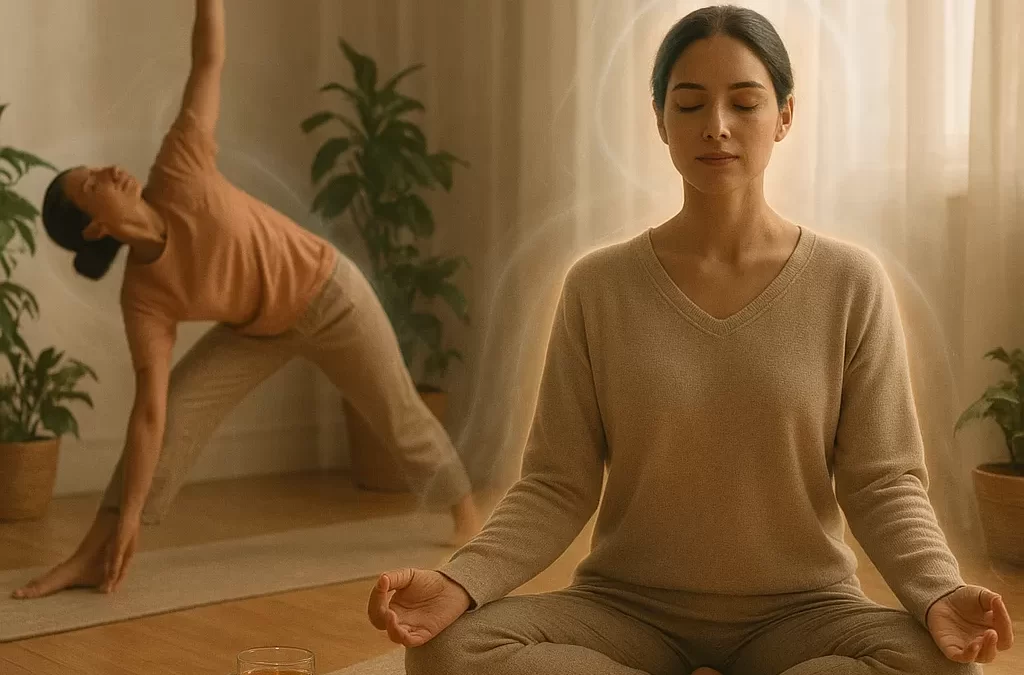
Effective Self-Healing Techniques You Can Practice at Home
What Are Some Effective Self-Healing Techniques That You Can Practice at Home?
Effective self-healing techniques that you can practice at home include mindful breathing, meditation, journaling, simple physical activities like yoga, and energy healing exercises such as acupressure. These practices can enhance physical, emotional, and mental well-being through regular, at-home routines.
What Is Self-Healing?
Self-healing refers to conscious, intentional practices individuals can use to promote recovery and restore balance in body, mind, and emotions—often without medical intervention. Common self-healing techniques support stress reduction, emotional regulation, and physical relaxation.
How Can You Practice Self-Healing at Home?
Practicing self-healing at home is accessible, cost-effective, and empowers you to take control of your wellness. Here are some of the most effective methods, addressing various aspects of holistic health.
1. What Are Some Simple Mind-Body Self-Healing Techniques?
Mind-body techniques draw on the connection between mental and physical health. Popular methods include:
Deep Breathing: Slow, conscious breathing calms the nervous system.
Meditation: Mindfulness or guided meditation helps reduce stress and increase emotional balance.
Progressive Muscle Relaxation: Tensing and relaxing different muscle groups releases physical tension.
Quick List: At-Home Self-Healing Practices
Breathing exercises
Meditation and mindfulness
Yoga or gentle stretching
Journaling
Visualization and positive affirmations
Acupressure and self-massage
Aromatherapy with essential oils
Nature immersion (e.g., walking in a garden)
Which Breathing Techniques Support Self-Healing?
Breathwork is foundational in self-healing, as it directly affects the autonomic nervous system, relaxation, and even immunity.
Technique
How to Practice
Key Benefits
Diaphragmatic Breathing
Inhale deeply through the nose, expand your belly, exhale slowly
Reduces stress, improves oxygen flow
Box Breathing
Inhale for 4 seconds, hold 4, exhale 4, hold 4, repeat
Promotes calmness, aids focus
Alternate Nostril Breathing
Cover one nostril, inhale, switch sides, exhale
Balances energy, soothes anxiety
How Can Meditation and Mindfulness Promote Healing?
Meditation and mindfulness involve focusing attention to achieve a clear, calm state of mind. Scientific studies link regular meditation to lower cortisol (stress hormone) levels, improved sleep, and enhanced emotional resilience.
Guided Meditation: Listen to an audio guide or app that leads you through a relaxation script.
Mindful Awareness: Bring full attention to present-moment experiences, like sensations or breath.
What Physical Self-Healing Practices Are Effective at Home?
Movement-based techniques such as yoga, stretching, and gentle exercise enhance self-healing by improving circulation, flexibility, and reducing physical discomfort.
Yoga: Combining movement, breathwork, and mindfulness to balance the body and mind.
Gentle Exercise: Activities like walking, tai chi, or even light dancing stimulate the body’s healing processes.
Self-Massage: Targeting areas of tension to relieve pain and promote relaxation.
How Does Journaling Help with Self-Healing?
Journaling is a powerful tool for emotional self-healing. Writing about your thoughts, feelings, or daily experiences allows for emotional release, self-reflection, and actionable goal-setting.
Gratitude Journaling: List things you are grateful for daily to shift your mindset.
Expressive Writing: Write freely about challenges and emotions to process them.
Goal Journaling: Track progress in healing routines or habits.
Can Acupressure and Energy Healing Be Done at Home?
Yes, gentle self-acupressure and energy healing modalities are accessible and safe when practiced mindfully.
Acupressure: Use fingers to apply pressure on specific body points (such as LI-4 for tension headaches) for relief.
Reiki Self-Treatment: Place your hands lightly on your body in set positions to channel relaxing energy.
Qi Gong or Tai Chi: Slow, gentle movements combined with breathwork to harmonize internal energy.
What Role Do Affirmations and Visualization Play in Healing?
Affirmations and visualization techniques engage the mind’s power to promote positive change and resilience.
Affirmations: Repeat positive, empowering statements (“I am healing with every breath.”) to reinforce wellness-oriented beliefs.
Visualization: Imagine healing light or positive outcomes, helping to shift focus away from stress and towards recovery.
Do Lifestyle Factors Like Diet and Sleep Affect Self-Healing?
Absolutely. Nutrition, hydration, and sleep are pillars of the body’s natural repair processes.
Balanced Diet: Eating a variety of whole foods with vitamins, minerals, and antioxidants supports cellular healing.
Hydration: Water is essential for detoxification and metabolic functions.
Restful Sleep: Adequate, high-quality sleep accelerates physical and emotional repair.
How Do Self-Healing Techniques Interact With Conventional Medicine?
Self-healing at home is a complementary practice, not a replacement for medical care. These techniques can significantly support conventional treatments by managing stress, improving mood, and fostering overall resilience. Always consult healthcare providers for serious or persistent health issues.
Which Self-Healing Techniques Should I Start With?
Technique
Recommended For
Main Benefit
Mindful Breathing
Beginners, stress relief
Immediate relaxation
Meditation
Anxiety, sleep issues
Calms the mind
Journaling
Emotional balance
Promotes self-awareness
Gentle Yoga
Physical discomfort
Improves flexibility
Acupressure
Muscle tension, headaches
Relieves pain
Frequently Asked Questions About At-Home Self-Healing
What is the best self-healing technique to start with?
Mindful breathing is simple, effective, and suitable for most people. It can be practiced anytime, anywhere to reduce stress and center your mind.
Can self-healing techniques replace medication?
No. Self-healing practices are supportive and complementary to medical treatment, not substitutes. Always follow your provider’s advice for health conditions.
How long should I practice self-healing techniques daily?
Even 5–10 minutes a day can make a positive difference, though 20–30 minutes is ideal for deeper results.
Are there any risks to self-healing techniques?
Self-healing methods are generally low-risk. However, listen to your body and stop any activity that causes pain or distress. Consult a professional if unsure.
Do I need any special equipment or training to begin self-healing?
No special equipment is necessary. Basic self-healing like breathing, journaling, or gentle stretching can be practiced with minimal guidance. Online resources can help deepen your knowledge.
How quickly will I see results from self-healing practices?
Some benefits—like relaxation or clarity—may be felt immediately. Consistent practice is key for long-term improvement in well-being and resilience.
Can children or elderly people use self-healing techniques?
Yes, many self-healing practices are safe for all ages, but practices should be chosen and adapted based on individual needs and abilities.
Summary: How to Start Your Self-Healing Journey at Home
Self-healing techniques empower you to take charge of your physical, emotional, and mental health, all from the comfort of your home. Start small—just a few minutes a day with mindful breathing, gentle stretching, or journaling—and build your practice over time. Remember, self-healing works best as a complement to professional healthcare and consistent healthy habits.
“`
Leave a Reply