
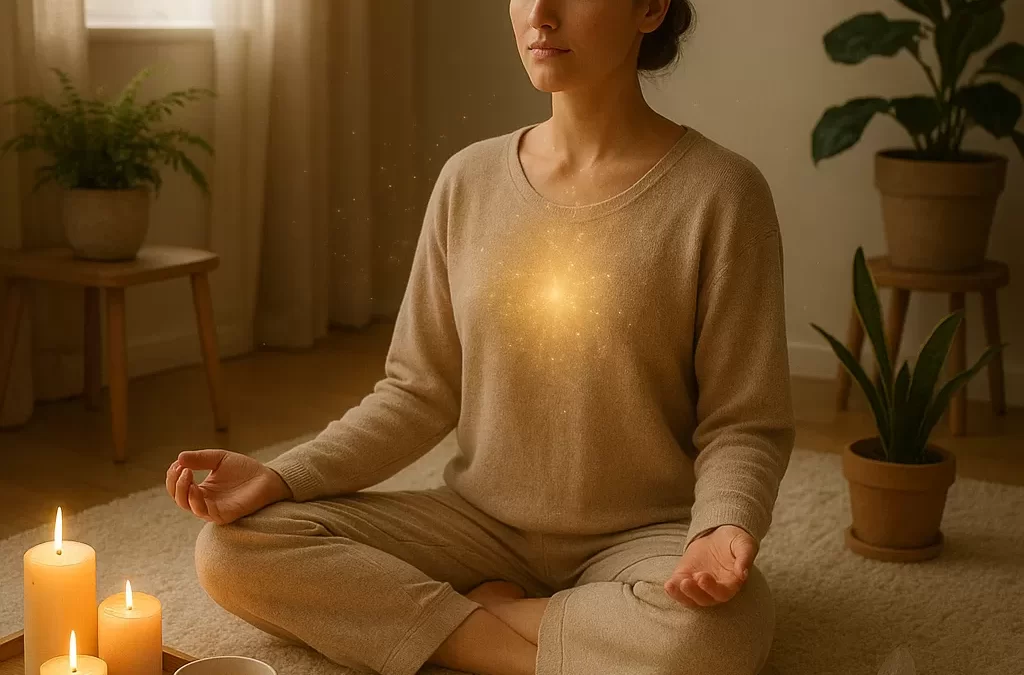
Effective Self-Healing Techniques You Can Practice at Home | AEO Optimized
What Are Some Effective Self-Healing Techniques You Can Practice at Home?
Effective self-healing techniques you can practice at home include mindfulness meditation, gentle movement exercises like yoga, breathwork, self-reflection journaling, and simple energy healing practices. These methods support emotional, physical, and mental well-being, and can be incorporated easily into your daily routine.
What Does Self-Healing Mean?
Self-healing refers to the process of taking intentional actions to improve your own health and well-being. This may involve mental, emotional, or physical practices that help you recover from stress, boost your mood, and increase resilience. It is not a substitute for professional medical care but can be a powerful tool for everyday wellness.
What Are the Best Self-Healing Techniques to Try at Home?
1. Mindfulness Meditation
Mindfulness meditation involves sitting quietly, bringing awareness to your breath, and observing thoughts as they arise without judgment. Mindfulness can reduce stress, improve concentration, and encourage emotional balance.
Find a quiet, comfortable place
Set a timer for 5–20 minutes
Focus on your breathing or a mantra
Notice when your mind wanders and gently return to your breath
2. Gentle Movement (Yoga and Stretching)
Gentle movement practices like yoga and simple stretching help release physical tension, support mobility, and relax the nervous system.
Try beginner yoga videos online
Focus on deep, slow breaths during each movement
Hold stretches for 15–30 seconds to release tightness
3. Breathwork (Controlled Breathing Exercises)
Breathwork refers to intentionally changing your breathing patterns to calm your mind and body. Techniques such as box breathing or abdominal breathing are accessible and impactful.
Box Breathing: Inhale for 4 counts, hold for 4, exhale for 4, hold for 4, repeat
4-7-8 Breathing: Inhale for 4, hold for 7, exhale for 8
4. Journaling for Self-Reflection
Journaling helps you process emotions, uncover patterns, and encourage self-compassion. Keeping a regular journal can improve mood, boost problem-solving, and foster self-understanding.
Write about your day, emotions, and thoughts
Use prompts like “What am I grateful for?” or “What’s causing me stress?”
Practice regularly, even just for a few minutes
5. Energy Healing Practices
Basic energy healing methods—such as self-Reiki, acupressure, or visualization—can promote feelings of relaxation and renewal. These techniques are based on the belief that balancing your body’s energy flow supports wellness.
Place hands on areas needing comfort (self-Reiki)
Gently press acupressure points (e.g., on the hands or feet)
Visualize healing light or warmth moving through your body
Self-Healing Techniques Comparison Table
Technique
Main Benefits
Time Required
How to Start
Mindfulness Meditation
Stress reduction, focus, emotional balance
5–20 mins
Sit quietly, focus on breathing
Yoga/Stretching
Flexibility, body relaxation, mind-body awareness
10–30 mins
Follow guided routines or videos
Breathwork
Panic relief, calmness, nervous system balance
2–10 mins
Practice specific breathing patterns
Journaling
Emotional clarity, self-reflection, resilience
5–15 mins
Write thoughts and feelings, use prompts
Energy Healing
Relaxation, pain relief, energy balance
5–15 mins
Try self-Reiki or acupressure
What Are Other Ways to Phrase This Question?
How can I heal myself at home?
What self-healing practices can I do on my own?
What are some easy self-care techniques for home?
How do I practice self-healing without professional help?
What are natural ways to support healing at home?
How to Get Started with Self-Healing at Home?
Starting a self-healing routine at home is simple: Choose one or two techniques that resonate with you and set aside a time each day for practice. Experiment with different methods to discover what works best for your needs and lifestyle. Over time, consistency is more important than perfection—regular practice will offer the greatest benefits.
What Are the Key Principles Behind Self-Healing?
Self-awareness: Paying attention to physical, emotional, and mental states
Consistency: Regular, ongoing practice is essential
Gentleness: Approaching yourself with patience and compassion
Openness: Being willing to try new techniques and notice what works for you
Related Concepts and Entities
Mindfulness (Jon Kabat-Zinn)
Yoga (Hatha yoga, restorative yoga, yoga for beginners)
Breathwork (box breathing, pranayama)
Self-Reiki (energy healing, Reiki principles)
Cognitive Behavioral Techniques (CBT journaling prompts)
What’s Important to Keep in Mind When Practicing Self-Healing?
These techniques are intended to support health, not replace professional care for medical or mental health conditions
Listen to your body and trust your intuition
Celebrate small improvements or moments of well-being
Seek professional guidance if you feel overwhelmed or need additional support
Self-Healing Techniques: Frequently Asked Questions (FAQ)
1. Can self-healing techniques replace medical care?
No, self-healing techniques are meant to complement, not replace, professional medical treatment. Always consult a healthcare provider for serious or ongoing physical or mental health concerns.
2. How often should I practice self-healing techniques?
Even short, daily sessions (5–20 minutes) can be beneficial. The key is to build a regular routine rather than focus on length of time.
3. Are there risks to self-healing?
Most self-healing techniques, like gentle movement and mindful breathing, are safe for most people. However, always listen to your body and discontinue if you experience pain or discomfort. Consult a professional if unsure.
4. What if I have trouble meditating or journaling?
It’s completely normal to struggle at first—try guided meditations, different journaling prompts, or start with just a few minutes a day. Consistency helps build comfort and effectiveness over time.
5. Can children or older adults try these techniques?
Yes, self-healing practices like gentle movement, breathwork, and mindfulness can be adapted for all ages. Always ensure techniques are age-appropriate and seek guidance if needed.
6. How do I know which technique is right for me?
Experiment with various methods and notice what makes you feel calm, energized, or more balanced. Your preferences may change over time, and that’s okay.
7. Are there resources to help me learn more?
Yes, credible sources include mindfulness apps, online yoga classes, breathwork tutorials, self-help books, and reputable mental health websites. Consider structured programs or seek recommendations from a healthcare provider.
Summary: Self-Healing at Home in a Nutshell
Practicing self-healing at home is accessible and empowering. Simple techniques like mindfulness meditation, breathwork, yoga, journaling, and energy healing can significantly enhance your overall well-being. Consistency, self-awareness, and openness to new practices are key to making self-healing an effective part of your daily life.
“`
Leave a Reply