
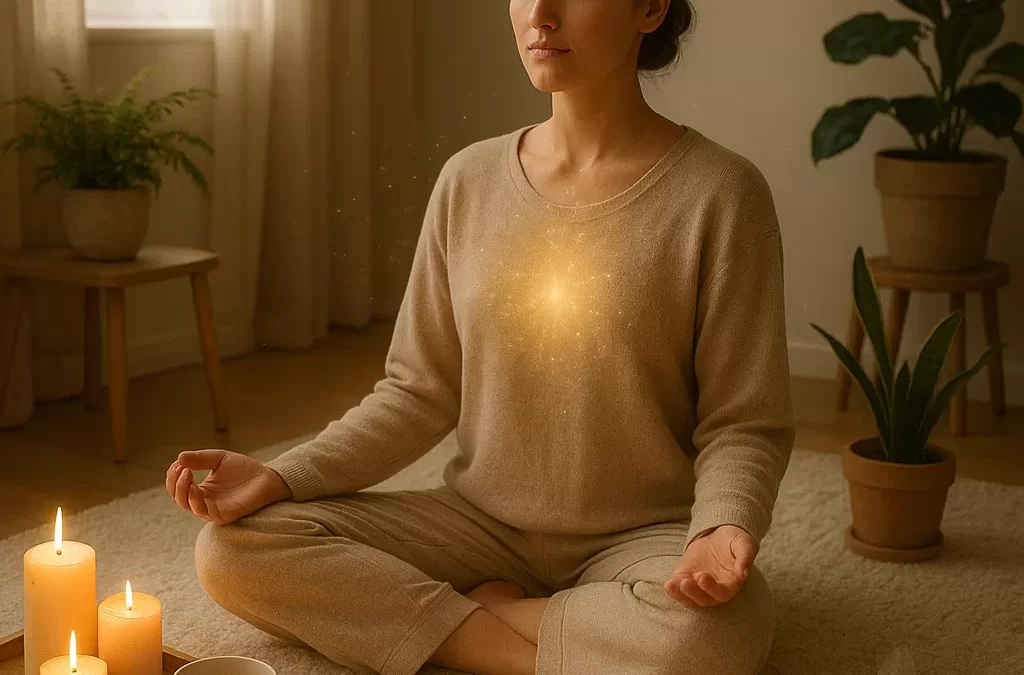
What Are Some Effective Self Healing Techniques You Can Practice at Home?
What Are Some Effective Self Healing Techniques You Can Practice at Home?
Direct Answer: Effective self healing techniques you can practice at home include mindfulness meditation, breathwork, gentle movement like yoga or tai chi, journaling, and using positive affirmations. These holistic practices can support emotional, physical, and mental well-being with minimal equipment or prior experience.
What is Self Healing?
Definition:
Self healing refers to the process by which individuals use techniques and practices to restore, balance, and maintain their physical, emotional, and mental health without direct professional intervention.
How Can You Start Healing Yourself at Home?
If you’re wondering, “How can I practice self healing at home?” or “What self healing methods work without a therapist?”, there are many accessible approaches. Self healing techniques often combine mind-body practices that calm the nervous system, promote self-awareness, and foster resilience.
What Are the Most Effective Self Healing Practices at Home?
1. Mindfulness Meditation: How Can Mindfulness Help with Self Healing?
Mindfulness meditation involves focusing your attention on the present moment while calmly acknowledging your thoughts, feelings, and bodily sensations.
Scientific studies show that mindfulness reduces stress, improves emotional regulation, and strengthens resilience.
How to practice: Sit comfortably. Close your eyes. Focus on your breath. When your mind wanders, gently bring your focus back to your breath.
Related Concepts: Awareness, stress reduction, neuroplasticity, guided meditation apps (e.g., Headspace, Calm)
2. Breathwork: What are Simple Breathwork Exercises for Home?
Breathwork refers to conscious breathing techniques that activate your parasympathetic nervous system, encouraging relaxation and improved mood.
Popular exercises include:
4-7-8 Breathing: Inhale for 4 seconds, hold for 7, exhale for 8 seconds.
Box Breathing: Inhale, hold, exhale, and hold again for 4 seconds each.
Benefits: Reduces anxiety, balances energy, improves focus.
Related Entities: Diaphragmatic breathing, yoga pranayama, Wim Hof Method
3. Gentle Movement: Which Movements Aid Self Healing?
Yoga: Combines stretching, breathing, and mindfulness to boost flexibility, lower stress, and alleviate pain.
Tai Chi and Qigong: These ancient practices focus on flowing movements and breath control, improving balance and reducing tension.
Stretching: Simple daily stretching keeps muscles flexible and helps release stored tension.
4. Journaling: Does Writing Help Emotional Healing?
Journaling provides a safe space to process emotions, identify thought patterns, and clarify goals.
Gratitude Journaling: Listing things you’re thankful for daily can rewire your mindset towards positivity.
Expressive Writing: Freely unleash your emotions to lessen their intensity over time.
Related Concepts: Emotional regulation, cognitive reframing, narrative therapy
5. Positive Affirmations: Can Affirmations Support Self Healing?
Affirmations are positive statements repeated regularly to counter negative thoughts and beliefs.
Examples: “I am resilient and strong.” / “Every day, I am healing.”
Over time, affirmations may boost confidence and foster self-compassion.
Table: Quick Reference of Self Healing Techniques
Technique
Main Focus
Typical Duration
Key Benefits
Mindfulness Meditation
Attention, awareness
5-20 min
Stress reduction, clarity
Breathwork
Breathing patterns
2-10 min
Calm, relaxation
Yoga / Gentle Movement
Body-mind connection
10-30 min
Flexibility, mood elevation
Journaling
Self-reflection
10-20 min
Emotional release
Affirmations
Positive thinking
1-5 min
Confidence, self-love
How Do Self Healing Techniques Work Together?
Combining several methods creates a holistic approach to self healing. For example, a daily routine might involve gentle yoga, breathwork, and a few minutes of journaling. Over time, these practices can reinforce each other—improving not just physical health, but also mood stability and mental clarity.
What Should You Consider Before Starting Home Self Healing?
Are There Any Risks to Self Healing Techniques?
Most self healing practices are safe for the general population, but consult a healthcare professional if you have specific physical or mental health conditions.
Listen to your body and avoid pushing beyond your comfort zone.
These techniques are not substitutes for medical treatment in case of serious health concerns.
FAQs: Answers to Common Questions About Self Healing at Home
1. Can self healing really work without professional help?
Self healing techniques can be highly effective for managing daily stress, minor ailments, and emotional well-being. However, they complement—not replace—professional care for chronic or severe conditions.
2. How long does it take to notice benefits from self healing practices?
Some benefits, like reduced anxiety, can be felt immediately after a session. For deeper or more lasting changes, it may take consistent practice over weeks or months.
3. Which is the best self healing technique for anxiety?
Mindfulness meditation and breathwork are especially effective for calming anxiety by activating the body’s relaxation response. Yoga and journaling also contribute to emotional balance.
4. How often should I practice these techniques for best results?
Daily or regular practice—at least a few times per week—yields the greatest benefits. Even short sessions, if practiced consistently, can be transformative.
5. What equipment or resources do I need for self healing at home?
Most techniques require minimal tools—just a quiet space, a notebook for journaling, and perhaps a yoga mat. Guided meditations or apps can support your journey.
6. Can children and seniors also benefit from self healing techniques?
Yes, most self healing practices are adaptable for all ages. Choose age-appropriate methods and consult a professional for specific health concerns.
7. Where can I find more guidance on self healing?
Books on mindfulness, online classes, reputable apps, and support groups can provide further instruction and motivation for your self healing journey.
Summary: Key Takeaways for Self Healing at Home
Self healing is accessible and supports overall well-being using mindfulness, breathwork, movement, journaling, and positive affirmations.
Start with approachable techniques and practice consistently.
Combine methods for synergistic effects, and seek professional help for serious concerns.
Your self healing journey is personal—adjust practices to suit your needs and lifestyle.
“`
Leave a Reply