
What are Some Effective Self Healing Techniques You Can Practice at Home?
What are Some Effective Self Healing Techniques You Can Practice at Home?
Some effective self healing techniques you can practice at home include mindfulness meditation, breathwork, gentle movement practices like yoga, journaling, and engaging with nature. These methods help boost mental clarity, support emotional regulation, and enhance your body’s natural healing abilities—all from the comfort of your home.
What Does Self Healing Mean?
Definition: Self healing refers to the practice of using natural methods, personal resources, and holistic techniques to support your physical, emotional, and psychological recovery without medical intervention, whenever possible. It encompasses approaches that enhance the body and mind’s innate capacity to recover, adapt, and thrive.
How Do I Practice Self Healing at Home?
Practicing self healing at home involves integrating mindful awareness, healthy lifestyle habits, and restorative activities into your daily routine. Many techniques are accessible, require little or no equipment, and can be tailored to your needs. Here’s a look at some of the most effective approaches.
1. Mindfulness Meditation
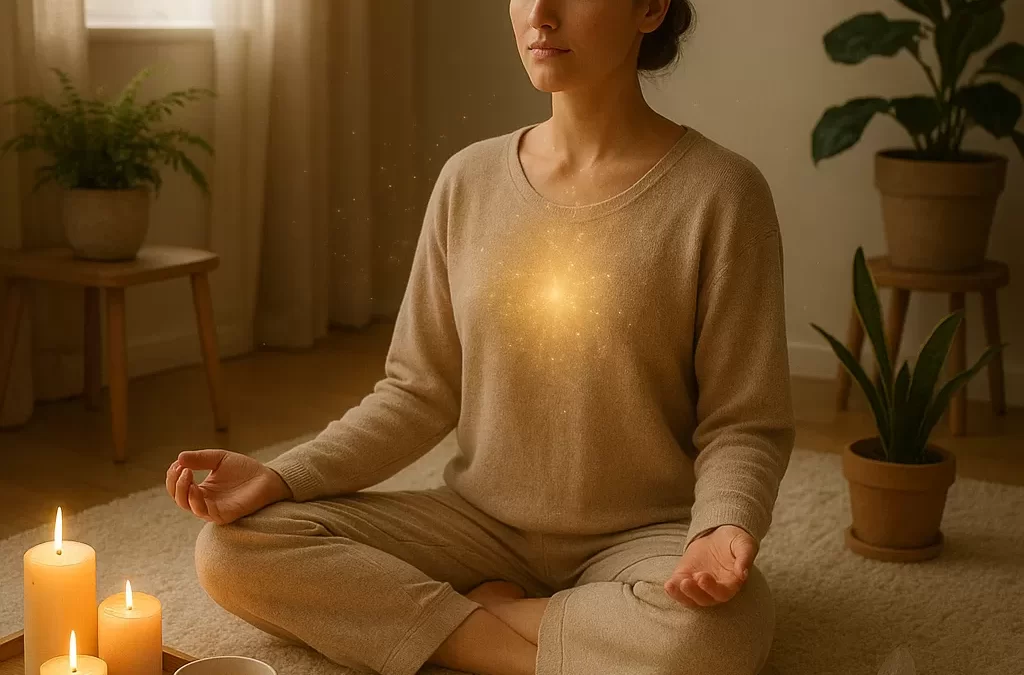
Mindfulness meditation is a foundational self healing practice that involves focusing your attention on the present moment, often through the breath, bodily sensations, or guided imagery. This helps reduce anxiety, manage stress, and support emotional balance.
Sit or lie down comfortably, close your eyes if you wish.
Breathe naturally, noticing the sensation of each inhale and exhale.
If your mind wanders, gently return your focus to the breath.
Practice for 5–20 minutes, daily or as needed.
Related entities: Mindfulness-Based Stress Reduction (MBSR), Jon Kabat-Zinn, meditation apps, guided audio.
2. Breathwork Techniques
Breathwork refers to intentional breathing exercises that can regulate your nervous system, increase energy, and promote relaxation. Common techniques include diaphragmatic breathing, box breathing, and alternate nostril breathing.
Diaphragmatic breathing: Place one hand on your diaphragm, inhale deeply through your nose, feel your belly rise, and exhale slowly through your mouth.
Box breathing: Inhale for a count of four, hold for four, exhale for four, and hold again for four.
Alternate nostril breathing: Use your thumb and ring finger to alternate closing off each nostril while breathing in and out.
Related concepts: Pranayama (yogic breathing), vagal tone, parasympathetic activation.
3. Gentle Yoga and Movement
Engaging in gentle yoga or stretching supports physical healing, reduces muscle tension, and enhances mobility. Focus on restorative poses, such as child’s pose or legs-up-the-wall, and slow, mindful movement.
Follow online yoga classes or use a yoga app for guidance.
Emphasize slow, relaxed movements to prevent injury.
Regular practice can improve flexibility, joint health, and mood.
Related entities: Yin yoga, Hatha yoga, restorative yoga, physical therapy techniques.
4. Journaling for Self Reflection
Journaling helps process emotions, gain insight, and set healing intentions. Writing expressively about your experiences can support emotional well-being and track progress.
Start with prompts such as, “How do I feel today?” or “What do I need to heal?”
Use gratitude lists to foster positivity.
Review your journal entries to notice patterns and growth.
Related concepts: Expressive writing, gratitude journaling, mental health tracking.
5. Connecting with Nature
Spending time in nature, such as walking in a park, caring for plants, or simply sitting outdoors, has been shown to lower stress and improve mood. Nature immersion can improve attention and foster a sense of peace.
Try forest bathing (shinrin-yoku)—mindfully experiencing a natural environment.
Walk barefoot on grass or soil for grounding (earthing).
Related entities: Ecotherapy, biophilia, green exercise.
6. Using Creative Expression as Healing
Art, music, dance, and other forms of creative expression provide powerful outlets for processing emotions and enhancing resilience. You don’t need to be an artist to benefit—engage in any creative activity that feels enjoyable.
Draw, paint, or color mindfully.
Play an instrument or listen to healing frequencies (like 432Hz music).
Dance to your favorite music to release physical and emotional tension.
Related concepts: Art therapy, music therapy, expressive arts therapy.
7. Natural Remedies and Home Practices
Certain natural remedies can aid self healing. For example, herbal teas (like chamomile or ginger), aromatherapy (like lavender essential oil), and Epsom salt baths are all popular at-home practices.
Herbal teas for calming or digestive support
Aromatherapy diffusers for relaxation
Epsom salt baths to ease sore muscles
Related entities: Herbalism, essential oils, hydrotherapy.
Table: Comparison of Self Healing Techniques
Technique
Main Benefit
Related Practices
Mindfulness Meditation
Reduces stress & supports mental clarity
MBSR, guided meditation
Breathwork
Regulates nervous system
Pranayama, diaphragmatic breathing
Gentle Yoga
Promotes flexibility & relaxation
Restorative yoga, stretching
Journaling
Processes emotion & fosters insight
Gratitude journaling, expressive writing
Nature Connection
Improves mood & reduces stress
Forest bathing, grounding
Creative Expression
Releases tension & expresses emotion
Art, music, dance
Natural Remedies
Offers gentle symptom relief
Aromatherapy, herbal teas
Why is Self Healing Important?
Self healing empowers you to take an active role in your well-being, complementing professional care when necessary. It’s linked to improved resilience, quicker recovery from stress, and long-term health. Practicing self healing builds self-awareness, autonomy, and confidence in managing life’s challenges.
Related Questions & Answer Variations
What are the best self healing methods for stress relief? – Mindfulness, breathwork, nature walks, and relaxing baths are all effective for managing and reducing stress at home.
How can I heal my mind and body naturally? – Integrate meditation, yoga, regular movement, nutritious food, and strong social support for ongoing mind-body healing.
Can self healing help chronic issues? – While self healing is not a substitute for medical care, it can support chronic condition management and improve quality of life when used alongside professional treatment.
What activities support emotional healing at home? – Journaling, creative expression, and mindfulness practices can all help process emotions and promote healing from within.
Are there quick self healing exercises for daily use? – Yes, short breathing exercises, 5-minute meditations, gratitude journaling, and mindful stretching can be incorporated into even busy schedules.
Frequently Asked Questions (FAQ) About Self Healing at Home
1. Can self healing replace medical treatment?
No, self healing techniques are intended to complement—not replace—professional medical care. Always consult healthcare providers for serious or persistent issues.
2. How often should I practice self healing techniques?
Daily practice, even in short sessions, yields the most benefits. Consistency is more important than duration for most self healing activities.
3. Which self healing method works best for anxiety?
Mindfulness meditation and breathwork are highly effective for anxiety management, offering immediate calming effects and long-term resilience when practiced regularly.
4. Do I need any special equipment for self healing at home?
Most techniques require little or no specialized equipment. A comfortable space, notebook for journaling, and optional yoga mat are helpful but not essential.
5. How do I stay motivated to continue self healing practices?
Set small, achievable goals, track your progress, and choose activities you enjoy. Joining online communities or following guided sessions can boost consistency.
6. Can children or older adults practice self healing techniques?
Yes, many self healing practices are safe and effective for all ages. Adapt techniques as needed for physical ability and consult with a healthcare provider if you have concerns.
7. What should I do if a self healing technique doesn’t help?
Not every method works for everyone. Try different approaches, and if you don’t notice improvement or your symptoms worsen, seek professional guidance.
Summary: Getting Started with Self Healing at Home
Effective self healing techniques you can practice at home include mindfulness meditation, breathwork, gentle yoga, journaling, nature connection, creative activities, and simple natural remedies. Start with methods that align with your interests and needs, build a consistent routine, and reach out for professional support when necessary. Remember, self healing is a lifelong journey that supports your overall well-being—one mindful step at a time.
“`
Leave a Reply