
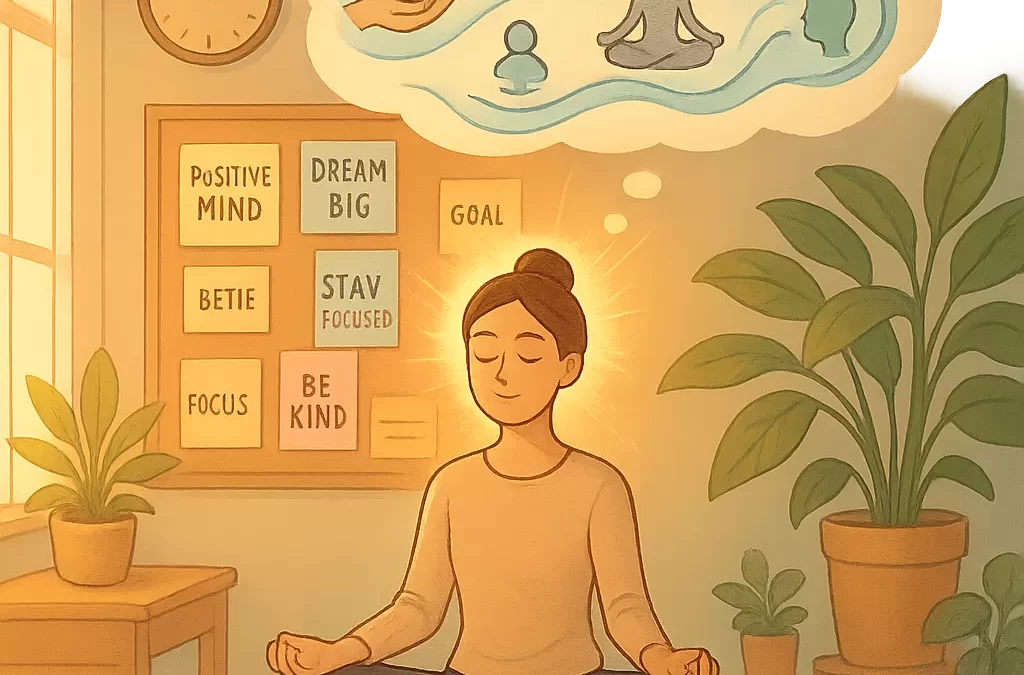
Effective Strategies for Mindset Management in Daily Life
What are Some Effective Strategies for Mindset Management in Daily Life?
Effective mindset management strategies include practicing self-awareness, engaging in positive self-talk, and applying daily habits like mindfulness and gratitude to build mental resilience. By consistently using these approaches, individuals can cultivate a more optimistic, flexible mindset that supports personal growth and well-being. Adopting these strategies improves your ability to handle challenges and maintain a positive outlook throughout the day.
What is Mindset Management?
Mindset management refers to the intentional practice of monitoring, regulating, and improving your patterns of thinking in order to influence emotions, behaviors, and outcomes in daily life. It draws from psychology, neuroscience, and self-help, aiming to foster a growth-oriented, resilient mindset.
How Can You Practice Mindset Management Day to Day?
People often ask, “How do I stay positive every day?” or “What can I do to manage my thoughts effectively?” The key is to build small, sustainable habits that reinforce a constructive and growth-focused internal dialogue.
Top Mindset Management Strategies You Can Use Daily
Self-Awareness: Notice and label your thoughts and feelings without judgment.
Positive Self-Talk: Replace self-criticism with encouraging, compassionate language.
Mindfulness: Use techniques like deep breathing or meditation to stay present and calm.
Gratitude Practice: Reflect on and write down things you’re grateful for each day.
Goal Setting: Set small, achievable goals and celebrate progress.
Reframing Challenges: View setbacks as opportunities to learn rather than failures.
Environment Management: Surround yourself with positive influences and limit exposure to negativity.
Physical Well-being: Support your mind with regular exercise, proper sleep, and nutrition.
Mindset Management Strategies and How They Help
Strategy
Purpose
Related Entities/Concepts
Self-Awareness
Identifies negative thought patterns and emotional triggers
Metacognition, Emotional Intelligence
Gratitude Practice
Boosts mood and reinforces positive thinking
Positive Psychology, Well-being
Mindfulness
Reduces stress, improves focus and emotional regulation
Meditation, Cognitive Behavioral Therapy (CBT)
Positive Self-Talk
Replaces self-doubt with empowering beliefs
Affirmations, Growth Mindset
Goal Setting
Provides direction and motivation
SMART Goals, Personal Development
Reframing Challenges
Encourages learning and adaptability
Resilience, Adaptive Thinking
Environment Management
Protects mental space from toxic influences
Support Networks, Social Environment
Physical Well-being
Supports optimal brain function and mood balance
Exercise, Nutrition, Sleep Hygiene
What Does Science Say About Mindset Management?
Mindset management is supported by research in psychology and neuroscience. Studies by Carol Dweck highlight the importance of a growth mindset, where viewing abilities as developable leads to greater achievement and resilience. Cognitive Behavioral Therapy (CBT) techniques further emphasize changing thought patterns to improve emotional outcomes. Research in positive psychology supports practices like gratitude journaling for sustained well-being and lower stress.
How Do You Develop a Growth Mindset?
Key Steps to Cultivating a Growth Mindset
Accept Challenges: See effort and failure as part of learning.
Value Progress: Focus on improvement, not just success.
Ask for Feedback: Use constructive criticism to guide growth.
Use “Yet” Language: Replace “I can’t do this” with “I can’t do this yet.”
A growth mindset is foundational to effective mindset management, as it encourages you to view setbacks as opportunities and persist in the face of difficulties.
How Does Mindfulness Relate to Mindset Management?
Mindfulness is closely related to mindset management because it helps you become aware of your automatic thoughts and emotional responses. Practices such as meditation, mindful breathing, or mindful walking train your brain to pause before reacting, offering more space to choose helpful responses over ingrained negative patterns.
Example Mindfulness Practices
Daily meditation sessions (5-10 minutes)
3 deep breaths before responding in stressful situations
Gratitude journaling during bedtime reflection
How Can You Maintain a Resilient Mindset Over Time?
Building a resilient mindset is not a one-time effort but an ongoing practice. Regularly review your thought patterns, maintain flexible perspectives, and seek social support from positive relationships. Resilience grows when you consistently respond to setbacks by learning, adapting, and reaffirming your strengths.
What Are Other Ways People Ask About Mindset Management?
How do I stay positive each day?
What are the best mental habits for a healthy mindset?
How can I manage negative thoughts effectively?
Tips for mental resilience in daily life?
How do I train my brain for a positive attitude?
All of these questions relate back to the core strategies of mindfulness, intentional self-talk, gratitude, and proactive emotional regulation.
Practical Daily Routine for Mindset Management
Sample Morning Routine:
Start with 5 minutes of mindful breathing.
Write down three things you’re grateful for.
Set one small, achievable goal for the day.
Repeat a personal affirmation (e.g., “I am capable of growth and learning.”)
Sample Evening Routine:
Reflect on one challenge you faced and what you learned.
Note one act of kindness given or received.
Practice 5 minutes of relaxation or meditation before bed.
Frequently Asked Questions About Mindset Management
1. How do I stop negative thinking patterns?
To stop negative thinking, increase self-awareness, challenge unhelpful thoughts, and replace them with balanced or positive statements. Mindfulness and reframing are especially effective techniques.
2. What is the difference between a fixed mindset and a growth mindset?
A fixed mindset believes abilities are static and cannot change, while a growth mindset sees abilities as developable through effort and learning. Growth mindsets support resilience and adaptability.
3. Can gratitude practices really change your mindset?
Yes, regular gratitude practices have been shown in research to boost positive emotions, reduce stress, and foster a more optimistic mindset over time.
4. Are there any apps that support daily mindset management?
Many apps, such as Headspace, Calm, and Reflectly, offer guided meditations, journaling prompts, and tracking features to support daily mindset improvement.
5. How long does it take to see changes from mindset management strategies?
While some people notice improvements within a few days, meaningful changes in mindset typically become more consistent after several weeks of regular practice.
6. What if I struggle to stay consistent with new habits?
Start with small, manageable steps and use prompts (like reminders or habit trackers). Pairing new habits with existing routines can improve consistency.
7. Can mindset management help with anxiety or burnout?
Yes, by training your thoughts and emotions, mindset management strategies such as mindfulness and cognitive reframing can lower anxiety and help prevent burnout, especially when combined with seeking professional support if needed.
Summary: Mindset management in daily life is about making conscious choices to cultivate self-awareness, positivity, resilience, and growth. Through intentional habits like self-talk, mindfulness, gratitude, and environment management, anyone can improve their mental resilience and enjoy greater well-being every day.
“`

Leave a Reply