
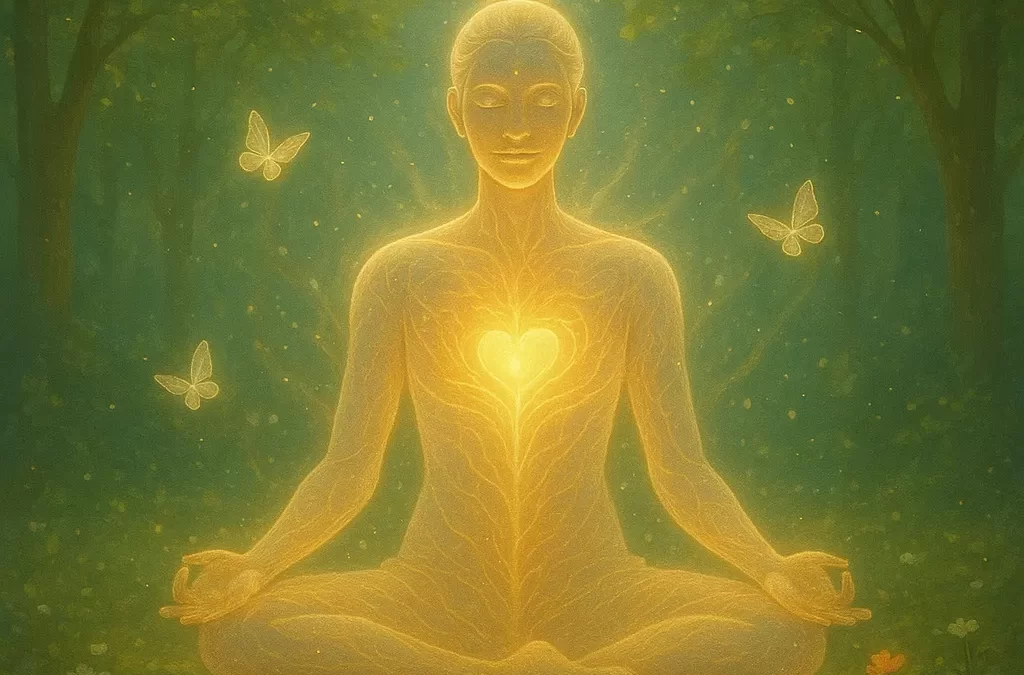
Effective Techniques for Achieving Inner Healing: Comprehensive Guide
What are Some Effective Techniques for Achieving Inner Healing?
Effective techniques for achieving inner healing include practices such as mindfulness meditation, professional therapy, self-reflection, and healthy lifestyle choices. These approaches promote emotional well-being by addressing past trauma, reducing stress, and fostering self-acceptance. Combining these methods can lead to a greater sense of inner peace and personal growth.
What is Inner Healing?
Inner Healing Definition: Inner healing is the process of addressing and resolving emotional wounds, limiting beliefs, and psychological trauma to achieve mental and emotional well-being. It often involves therapeutic, spiritual, and self-help practices that nurture self-awareness and self-compassion.
What Are Some Common Techniques for Inner Healing?
Let’s explore proven techniques recognized by experts in psychology, counseling, and holistic wellness. The following list summarizes effective methods for inner healing:
Mindfulness Meditation: Involves focusing on the present moment to reduce stress and increase emotional awareness.
Professional Therapy: Includes counseling methods such as cognitive-behavioral therapy (CBT), trauma therapy, and psychotherapy.
Journaling: Writing about thoughts and feelings to process emotions and gain personal insights.
Forgiveness Practices: Releasing resentment towards oneself and others to foster emotional freedom.
Body-Based Therapies: Techniques like yoga, somatic experiencing, and breathwork help release stored tension.
Gratitude Exercises: Practicing daily gratitude to shift focus from negative events and promote positivity.
Art Therapy: Using creative expression to process and heal emotional pain.
Spiritual Practices: Involving prayer, meditation, or connecting with a supportive spiritual community.
How Does Inner Healing Work?
Inner healing works by helping individuals process and release difficult emotions, reframe negative beliefs, and build resilience against future stressors. Healing is often a gradual journey, requiring both self-initiated and guided support. Techniques such as therapy and meditation encourage neuroplasticity—the brain’s ability to change and adapt—leading to healthier emotional patterns.
Table: Key Inner Healing Techniques and Their Benefits
Technique
Primary Benefit
Recommended For
Mindfulness Meditation
Reduces stress, enhances emotional awareness
Everyone, especially those with anxiety or overwhelm
Therapy (CBT, Trauma Therapy)
Resolves deep-seated trauma, promotes self-understanding
People with unresolved past trauma or persistent negative thoughts
Journaling
Clarifies emotions, encourages self-reflection
Individuals seeking insight into patterns or feelings
Forgiveness Practices
Relieves guilt, reduces resentment
Anyone struggling with self-blame or anger towards others
Yoga & Somatic Work
Releases physical tension, connects body and mind
Those experiencing stress-related physical symptoms
Gratitude Exercises
Improves mood, shifts mindset towards positivity
Individuals facing negativity or depression
Art Therapy
Provides non-verbal emotional release
People who struggle to verbalize feelings
How Can Mindfulness and Meditation Help with Inner Healing?
Mindfulness and meditation are scientifically backed practices that help quiet mental chatter and connect you to the present. Regular mindfulness practice can reduce symptoms of anxiety, depression, and post-traumatic stress disorder (PTSD). Focusing on breath, sensations, or mantras during meditation encourages the release of past hurts and fosters acceptance of your current self.
Step-by-Step: Basic Mindfulness Exercise
Find a quiet, comfortable space.
Focus your attention on your breath.
Notice thoughts or feelings as they arise without judgment.
Return your focus to your breath each time you become distracted.
Continue for 5-10 minutes daily.
What Role Does Therapy Play in Inner Healing?
Professional therapy—such as cognitive-behavioral therapy (CBT), trauma-informed therapy, or counseling—offers structured support to work through complex emotions and trauma. Licensed therapists help identify patterns, process difficult experiences, and build healthy coping mechanisms. Therapy can be especially valuable for persistent emotional pain, childhood trauma, or when self-help methods aren’t sufficient.
Are There Other Methods for Inner Healing?
Absolutely. In addition to mainstream methods, holistic and complementary approaches—like energy healing, Reiki, hypnotherapy, and spiritual coaching—are increasingly popular. While scientific evidence may vary, many individuals report benefits from integrating these practices with conventional methods.
Frequently Asked Questions (FAQ) About Inner Healing
1. Can inner healing be achieved without professional help?
Yes, many people successfully use self-help methods such as journaling, mindfulness, or art therapy on their own. However, professional guidance may be necessary for deeply embedded trauma or persistent mental health concerns.
2. How long does inner healing take?
Inner healing is a highly individual process that can take weeks, months, or even years, depending on one’s history and the depth of emotional wounds. Consistency and patience are key.
3. What is the difference between inner healing and self-care?
Self-care focuses on day-to-day actions for wellness, such as exercise and rest. Inner healing involves deeper emotional work aimed at resolving past trauma and changing negative inner narratives.
4. Are inner healing techniques effective for everyone?
Effectiveness varies by individual and the nature of their emotional challenges. It’s common to mix and match techniques to discover what works best. Professional advice can help tailor an approach.
5. What role does forgiveness play in inner healing?
Forgiveness—toward oneself or others—can release emotional burdens and promote freedom from past pain. It’s a foundational practice in many inner healing philosophies, including faith-based and psychological frameworks.
6. Does spirituality have to be part of inner healing?
No, spirituality is optional. While spiritual rituals or beliefs can enhance some people’s healing, secular approaches like therapy and mindfulness are equally effective.
7. What signs indicate successful inner healing?
Signs include increased self-acceptance, healthier emotional responses, reduced anxiety about the past, improved relationships, and a sense of overall well-being.
Summary: How Do You Start Your Inner Healing Journey?
Begin by assessing your emotional needs and selecting 1-2 techniques, such as mindfulness or journaling. Consider seeking professional support for complex issues. Remember, inner healing is a journey—celebrate small wins, stay patient, and be compassionate with yourself throughout the process.
Related Concepts: Emotional intelligence, self-acceptance, resilience, trauma recovery, mental health, therapeutic alliance, gratitude, self-compassion, neuroplasticity.
“`
Leave a Reply