
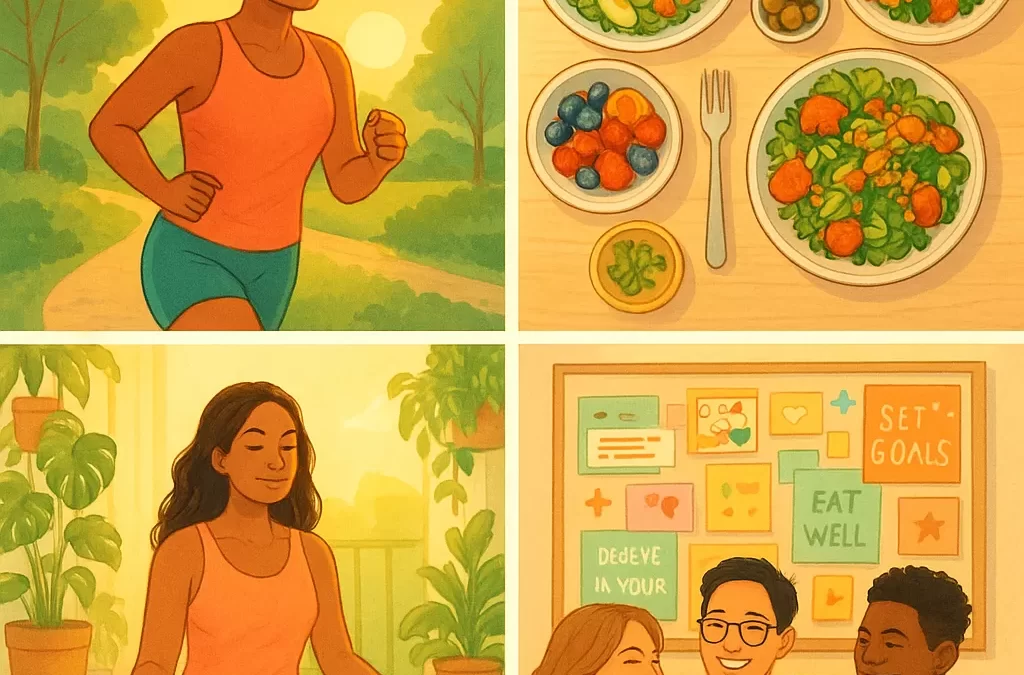
Effective Ways to Start and Sustain a Positive Lifestyle Change
What are Some Effective Ways to Start a Positive Lifestyle Change and Stick With It Long-Term?
The most effective ways to start a positive lifestyle change and stick with it long-term are to set realistic goals, create small sustainable habits, track your progress, and build a supportive environment. Consistency, self-compassion, and adaptability are key for making lifestyle changes last.
Definition:
A positive lifestyle change refers to adopting healthier daily behaviors—such as improving diet, increasing physical activity, managing stress, or enhancing sleep—that support better physical, mental, and emotional well-being over time.
How Can I Begin a Positive Lifestyle Change?
A good starting point is to identify your motivation for change—what do you want to improve, and why? Once clear, choose one or two small, achievable goals rather than attempting a total life overhaul. This approach prevents overwhelm and builds confidence with each success.
Reflect on what areas you want to improve (e.g., nutrition, exercise, mental health, sleep).
Write down your reasons for wanting this change. This becomes your “why.”
Commit to one small action, like taking a 10-minute walk daily or drinking more water.
Is It Better to Start Multiple Changes or Focus on One?
Focus on one change at a time. Research from health psychology and behavioral science (entities: habit formation, James Clear, Tiny Habits) shows that tackling too much at once increases the risk of burnout. Mastering a single new behavior makes it easier to add more habits over time.
What Strategies Help Make Lifestyle Changes Stick?
Sticking with positive changes requires turning intentions into habits that fit your routine. This comes down to a few evidence-backed strategies:
Habit Stacking: Attach a new habit to an existing routine. For example, meditate right after brushing your teeth.
Environmental Design: Make healthy choices easy and visible—keep fruit on the counter or set out workout clothes.
Tracking Progress: Use a journal, calendar, or app to note your daily actions. Tracking builds motivation and accountability.
Social Support: Share your goal with friends or join a community for encouragement and accountability.
Self-Compassion: Expect setbacks. If you miss a day, forgive yourself and continue rather than quitting altogether.
Area
Small Change Example
Supporting Habit
Nutrition
Add a serving of vegetables at lunch
Meal prep veggies on Sunday
Physical Activity
Take a 15-minute walk after dinner
Set a daily calendar reminder
Mental Health
Write 3 things you’re grateful for each night
Keep a gratitude journal on nightstand
Sleep
Go to bed 15 minutes earlier
Set a phone alarm for “wind-down” time
Why Is It Hard to Maintain Lifestyle Changes?
Sticking with positive changes can be challenging due to factors like habits, environment, willpower fatigue, and life stressors. The brain craves routine, so new behaviors require conscious effort at first. Recognizing triggers that lead to old behaviors and planning for obstacles increases your chance of long-term success.
What Are Common Barriers, and How Do You Overcome Them?
Lack of Time: Integrate changes into your schedule; even a few minutes counts.
Loss of Motivation: Review your “why,” celebrate milestones, and seek inspiration from others.
All-or-Nothing Thinking: Remind yourself that progress, not perfection, leads to lasting change.
Unrealistic Goals: Start small and adjust your goals as you achieve them.
How Do Positive Lifestyle Changes Impact Health and Wellbeing?
Positive lifestyle changes improve overall wellbeing by increasing energy, reducing risk of chronic disease (such as diabetes, heart disease, obesity), enhancing mood, sleep, and cognitive function. These changes often have a compounding effect—success in one area can inspire confidence and lead to improvements in others.
Key Benefits:
Better physical health (improved fitness, fewer illnesses)
Enhanced mental health and resilience
Improved sleep and energy
Stronger relationships and social connections
Greater sense of purpose and fulfillment
What Are Some Tips to Sustain Motivation Over the Long-Term?
Long-term motivation comes from intrinsic rewards—feeling good, seeing progress, and aligning changes with personal values. Here are some strategies:
Visualize Success: Imagine how life will improve as you change.
Set Milestones: Break big goals into smaller checkpoints to celebrate.
Mix Up Your Routine: Refresh your approach to avoid boredom.
Join a Group: Accountability buddies and communities boost commitment.
Track and Reflect: Periodically review your achievements and adjust as needed.
Can Technology Help with Lifestyle Change?
Yes, technology such as health and habit-tracking apps (MyFitnessPal, Habitica, Headspace, Fitbit) makes it easier to monitor progress, set reminders, and connect with support networks. Technology acts as a digital accountability partner and provides valuable insights that can strengthen healthy behaviors.
Related Question Variations Answered
What Is the First Step in Starting a Healthier Lifestyle?
The first step is to identify a specific, meaningful goal and understand your motivation behind it. Then break it into small, actionable steps for easy implementation.
How Do You Make a Lifestyle Change That Lasts?
To make changes last, focus on consistency rather than intensity, integrate new habits into routines, and practice self-compassion when setbacks happen. Tracking progress and seeking social support are also helpful.
How Can I Stay Positive When Making Lifestyle Changes?
Stay positive by celebrating small wins, focusing on progress, and reminding yourself of your reasons for change. Surround yourself with encouraging people and avoid negative self-talk.
Comprehensive FAQ: Positive Lifestyle Change
1. What are the best habits to start for a positive lifestyle change?
The best habits are those that fit your personal goals and preferences, such as regular physical activity, balanced meals, stress management practices, quality sleep, and expressing gratitude daily.
2. How long does it take to form a new habit?
While popular wisdom says 21 days, studies suggest it often takes 2 to 3 months (on average 66 days) to form a lasting habit, depending on complexity and consistency.
3. What if I fail or slip up during my lifestyle change?
Slips are normal. Learn from them without self-judgment, adjust your approach if needed, and restart as soon as possible. Consistency over time is more important than perfection.
4. Can I change my lifestyle without giving up everything I enjoy?
Yes, successful changes allow room for enjoyment and flexibility. Focus on moderation and balance rather than strict elimination.
5. How can I stay motivated when results are slow?
Focus on non-scale victories—energy levels, mood, daily achievements—and celebrate small milestones to keep motivation high.
6. Are there professional resources to support lifestyle change?
Yes, health coaches, registered dietitians, fitness trainers, therapists, and support groups offer expert guidance for lasting change.
7. What role does mindfulness play in lifestyle improvement?
Mindfulness helps you become aware of habits, manage stress, and make intentional choices, which are fundamental in sustaining positive changes.
Summary: Key Steps for Success
Set clear, realistic, and meaningful goals.
Start small and focus on one change at a time.
Create supportive routines and environments.
Use tracking tools for accountability.
Seek social support and practice self-compassion.
Adjust and evolve your approach for long-term sustainability.
By applying these principles, anyone can begin a positive lifestyle change and maintain it for the long-term, leading to greater health and well-being.
“`
Leave a Reply