
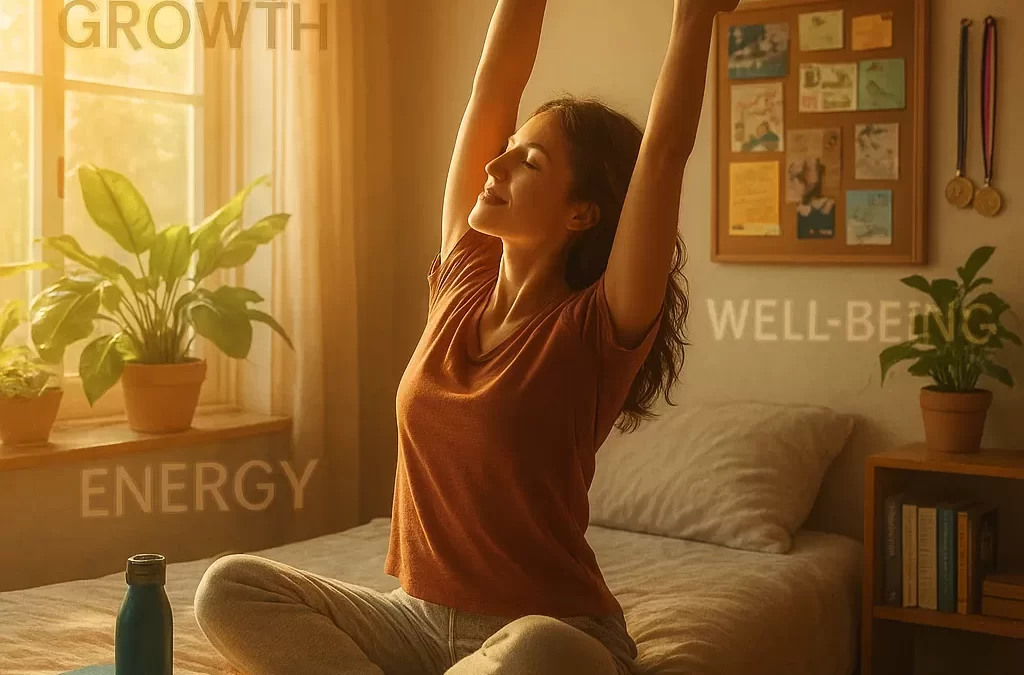
What Are Some Practical Steps I Can Take to Make a Positive Lifestyle Change?
What Are Some Practical Steps I Can Take to Make a Positive Lifestyle Change?
To make a positive lifestyle change, begin by identifying specific areas for improvement and setting realistic, measurable goals. Take actionable steps daily, such as adopting healthier habits, tracking your progress, and seeking support from others to help maintain motivation. Gradual, consistent changes lead to lasting results.
What Does “Positive Lifestyle Change” Mean?
Definition: A positive lifestyle change refers to the process of adopting new behaviors or modifying existing habits to improve one’s overall physical, mental, and emotional well-being. This can include changes in diet, exercise, sleep patterns, stress management, social relationships, or personal development.
How Can I Start Making a Positive Lifestyle Change?
Many people wonder: “How do I change my lifestyle for the better?” or “What are first steps to living healthier?” The answer is rooted in practical, actionable strategies and building momentum through small wins.
What Are Practical Steps to Implement a Lifestyle Change?
Step
Action
Related Concepts
1. Self-Assessment
Evaluate your current habits and pinpoint areas for change.
Mindfulness, Journaling
2. Set SMART Goals
Create Specific, Measurable, Achievable, Relevant, Time-bound objectives.
Goal-Setting, Motivation
3. Build Healthy Habits
Establish routine behaviors that support your goals, such as daily exercise or meal prep.
Habit Formation, Routine
4. Track Progress
Monitor your actions with apps, journals, or calendars.
Accountability, Self-Reflection
5. Seek Support
Engage with friends, support groups, or professionals for guidance and encouragement.
Social Support, Coaching
6. Adjust as Needed
Review progress and adapt your strategies as you learn what works best for you.
Resilience, Flexibility
What Are Examples of Simple Positive Changes?
Improving Nutrition:
Swap processed snacks for fruits and vegetables, drink more water, and plan balanced meals.
Increasing Physical Activity:
Start with daily walks, stretching, or short workouts—incorporate movement into your routine.
Enhancing Sleep Quality:
Set a consistent bedtime, avoid screens an hour before sleeping, and create a relaxing environment.
Managing Stress:
Practice meditation, deep breathing, or journal your thoughts to improve emotional resilience.
Building Social Connections:
Schedule regular catch-ups with friends or join community activities to foster supportive relationships.
Why Are Small, Consistent Changes More Effective?
Lifestyle change is about sustainability. Leading organizations such as the CDC and World Health Organization (WHO) recommend gradual shifts rather than drastic overhauls. Small changes—like swapping soda for water or taking the stairs—build a foundation for long-term health by:
Reducing overwhelm and resistance
Making new habits easier to maintain
Allowing for frequent, motivating milestones
How Can Behavioral Science Help You Change?
Behavioral science shows that effective lifestyle changes depend on habit formation, environmental cues, and positive reinforcement. Using habit stacking (adding a new habit alongside an existing one) and designing your surroundings to support your goals can increase your chances of success.
Habit Loop: Cue → Routine → Reward (Charles Duhigg, “The Power of Habit”)
Accountability: Tracking your progress or sharing goals with a friend increases follow-through.
How Do You Maintain Motivation for Lifestyle Change?
Staying motivated is a common challenge. Try these strategies:
Celebrate small wins to build confidence
Remind yourself of your “why”—the core reason you want to change
Visualize your future self benefiting from your new habits
Embrace setbacks as learning opportunities, not failures
What If You Relapse or Struggle?
Relapse is part of the change process—not a reason to give up. If you slip, restart your efforts with compassion, identify triggers, and adjust your plan. Seeking help from mental health professionals, life coaches, or support groups can make a significant difference.
Quick Tips: Making Positive Lifestyle Changes
Start with one small change at a time
Schedule your new habit at a consistent time daily
Keep your goals visible as reminders
Reward yourself for sticking to your plan
Be patient—lasting change takes time
Summary: How Do Practical Steps Lead to a Better Lifestyle?
By assessing your current habits, setting clear goals, building routines, and seeking support, you create a pathway to better health and happiness. Each small step, supported by behavioral science and personal motivation, contributes to sustained well-being and resilience. Related concepts such as self-care, mental health, and wellness are interconnected with lifestyle change, emphasizing the value of holistic personal growth.
FAQs About Making Positive Lifestyle Changes
What is the best way to start changing my lifestyle?
Begin by identifying one area you’d like to improve. Make a small, manageable change, such as drinking more water or walking daily, and gradually add new goals.
How long does it take to form a new habit?
Research suggests it takes 21 to 66 days on average to form a new habit, depending on its complexity and personal factors.
How can I stay motivated to keep up my lifestyle changes?
Set clear milestones, track your progress, celebrate your achievements, and find a supportive community or accountability partner.
What if I fail or forget to follow my new habits?
Occasional setbacks are normal. Reflect on the reasons, adjust your approach, and restart—consistency over time matters more than perfection.
Are there any tools or apps that can help me?
Yes, apps like Habitica, Coach.me, and MyFitnessPal can help you set reminders, track habits, and monitor progress.
Can professional help make a difference?
Absolutely. Health coaches, nutritionists, therapists, and personal trainers can offer tailored support, education, and motivation.
How do I balance multiple lifestyle changes at once?
Focus on mastering one habit before adding others. Stack compatible habits together, and regularly review your plan to prevent overwhelm.
“`
Leave a Reply