
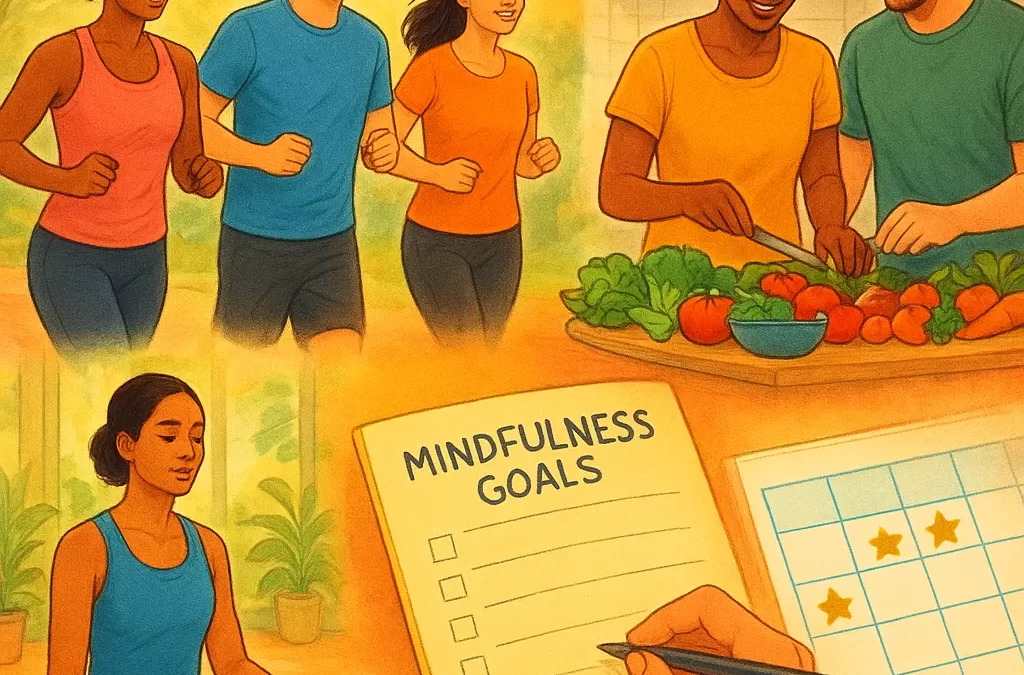
What are some practical steps to make a positive lifestyle change that lasts?
Making a positive lifestyle change that lasts requires setting meaningful but realistic goals, building small habits consistently, and seeking supportive environments. The key is to focus on gradual progress, maintain self-awareness, and adjust strategies as needed for sustainable, long-term results.
—
What does “making a positive lifestyle change” really mean?
**Definition Box:**
A *positive lifestyle change* refers to intentional changes in daily habits or routines (like diet, exercise, sleep, or mindset) that improve your physical health, mental well-being, or overall quality of life. These changes may include adopting new behaviors, replacing harmful habits, or improving existing routines.
—
How do you start a positive lifestyle change that actually sticks?
Starting a lasting lifestyle transformation doesn’t have to be overwhelming. Begin with these practical, science-backed steps:
1. **Identify Your “Why”**
– Clarify your motivation.
– Ask yourself: *Why do I want this change?*
– Write down your reasons for reference.
2. **Set Specific, Achievable Goals**
– Use the SMART goals framework (Specific, Measurable, Achievable, Relevant, Time-bound).
– Example: Instead of “exercise more,” try “walk 20 minutes after dinner five days a week.”
3. **Break Changes Into Small Steps**
– Focus on micro-habits (e.g., drink one glass of water after waking up).
– Celebrate each small win—it boosts motivation.
4. **Make an Action Plan**
– Schedule new habits into your day.
– Use reminders, habit trackers, or journals.
5. **Build a Support System**
– Share your goals with friends, family, or online communities.
– Consider accountability partners for encouragement.
6. **Anticipate Obstacles and Prepare Solutions**
– Identify common barriers (time, energy, motivation).
– Plan how you’ll overcome them (e.g., prepping meals in advance).
7. **Monitor Your Progress and Reflect**
– Review your actions weekly.
– Adjust strategies if something isn’t working.
—
What are real-life examples of long-lasting lifestyle changes?
**Table: Examples of Sustainable Lifestyle Changes**
| Habit Change | Small Action | Supporting Entity |
|——————————|————————————————|—————————-|
| Eat healthier | Add a serving of vegetables to each meal | Nutritionists, MyPlate |
| Get more exercise | Take the stairs instead of the elevator | Fitness apps, Pedometers |
| Sleep better | Set a consistent bedtime | Sleep trackers, Smartwatches|
| Manage stress | Practice 5 minutes of deep breathing daily | Mindfulness apps, Therapists|
| Reduce screen time | No devices 30 min before bed | Digital wellbeing tools |
—
How do mindset and environment affect lasting change?
Both mindset and your environment play critical roles in supporting—or sabotaging—lasting lifestyle changes:
Mindset
– **Growth Mindset:** Believing you can improve leads to persistence and resilience.
– **Self-Compassion:** Accept that setbacks are part of the process. Forgive yourself and move on.
Environment
– **Physical Triggers:** Arrange your space to support your new habits (e.g., keep healthy snacks visible).
– **Social Influence:** Surround yourself with people who encourage your goals.
—
What related concepts and entities support lasting positive change?
When evaluating lifestyle change, certain concepts and entities often come up:
– **Habit Formation:** The process by which new behaviors become automatic, often discussed by experts like James Clear.
– **Behavioral Psychology:** Research from psychologists like BJ Fogg (Tiny Habits) highlights the role of cues, routines, and rewards.
– **Motivation:** Both intrinsic (from within) and extrinsic (external rewards) motivation affect lasting change.
– **Support Networks:** Programs like Weight Watchers and groups like Alcoholics Anonymous show the value of peer support.
– **Tools:** Journals, apps, and wearables help track and reinforce positive behaviors.
—
How can you maintain a positive lifestyle change over time?
Maintaining change means adapting as life evolves. Here are long-term strategies:
1. **Regularly Reevaluate Goals**
– Adjust your targets as you progress.
– Stay flexible—what worked last year might not work now.
2. **Celebrate Progress**
– Reward yourself for consistency, not just big milestones.
3. **Stay Accountable**
– Check in with a coach, partner, or journal.
4. **Learn from Setbacks**
– Analyze triggers for lapses without self-blame.
– Try alternative strategies if needed.
5. **Keep It Enjoyable**
– Choose changes that fit your life and bring satisfaction.
—
What if you struggle to stick with changes?
It’s common to face challenges. If you find yourself slipping:
– **Start small again:** Return to basics with tiny, manageable steps.
– **Review your WHY:** Reconnect with your initial motivation.
– **Seek community:** Reach out for support, advice, or inspiration.
– **Consult a professional:** Sometimes a coach, therapist, or specialist can offer guidance.
—
What are different ways people ask about positive lifestyle changes?
– How do I make lifestyle changes that last?
– What are practical tips for long-term healthy habits?
– How can I stick with positive routines?
– What steps should I follow to change my life for the better?
– How do I avoid giving up on new habits?
—
FAQs: Lasting Positive Lifestyle Change
1. **What is the best first step for a sustainable lifestyle change?**
The best first step is to clearly define your motivation and set a specific, achievable goal you can start immediately.
2. **How long does it take to form a new habit?**
Research suggests it takes 21 to 66 days on average to establish a new habit, depending on the behavior and individual.
3. **Why do most lifestyle changes fail?**
Most changes fail due to setting unrealistic goals, lacking support, or not having a plan for setbacks.
4. **Can tracking progress really help me stick with new habits?**
Yes, tracking makes progress visible, enhances accountability, and provides motivation to continue.
5. **Is it better to change one habit at a time or several?**
Focusing on one small habit at a time is usually more effective and sustainable.
6. **How can I stay motivated when progress is slow?**
Celebrate small wins, remind yourself of your WHY, and seek encouragement from supportive people or communities.
7. **Do I need professional help to make lasting lifestyle changes?**
Not always, but if you’re struggling, professionals like coaches, nutritionists, or therapists can help tailor strategies to your needs.
—
Summary: Key Takeaways for Making Positive Lifestyle Changes That Last
– Start with clear motivation and realistic, actionable goals.
– Build new habits gradually and track your progress.
– Cultivate a supportive mindset and environment.
– Learn from setbacks without judgment—adjust and keep going.
– Use available tools, communities, and (when needed) professionals for support.
Positive lifestyle changes are possible for everyone; lasting success comes from consistent, small actions and a flexible, compassionate approach.
“`
Leave a Reply