
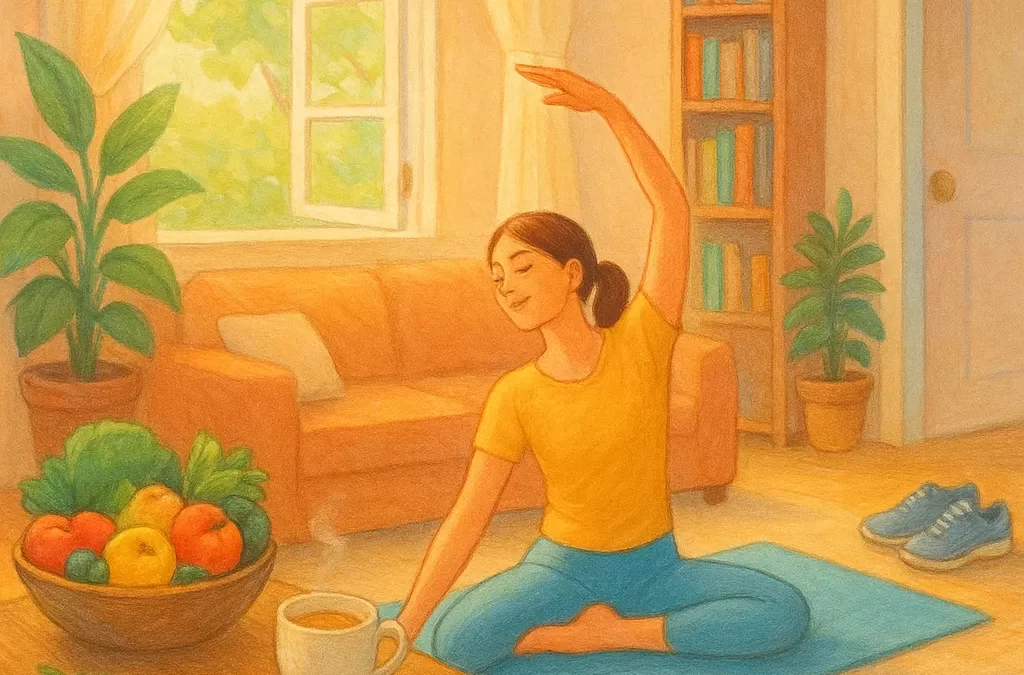
Simple Positive Lifestyle Changes to Improve Well-Being
What Are Some Simple Positive Lifestyle Changes You Can Make to Improve Your Overall Well-being?
Direct Answer: Simple positive lifestyle changes you can make for better well-being include adopting healthy eating habits, staying physically active, practicing mindfulness, nurturing social connections, and maintaining good sleep hygiene. Incorporating small but consistent changes in your daily routine can significantly improve your physical, mental, and emotional health.
What Are Positive Lifestyle Changes?
Definition:
Positive lifestyle changes refer to intentional adjustments in daily habits, routines, and attitudes that lead to improved health, greater happiness, and enhanced quality of life. These changes can be physical (like exercising), mental (like stress management), or social (like building strong relationships).
What Are the Most Effective Simple Lifestyle Changes?
Looking for practical steps to feel healthier and happier? Here are the most effective, science-backed positive lifestyle changes anyone can start today:
Eat Balanced Meals – Incorporate more fruits, vegetables, whole grains, lean proteins, and healthy fats into your diet.
Exercise Regularly – Aim for at least 150 minutes of moderate activity such as walking, cycling, or swimming each week.
Prioritize Quality Sleep – Set a consistent sleep schedule and create a restful bedtime routine.
Stay Hydrated – Drink enough water throughout the day to support your body’s functions.
Reduce Screen Time – Limit time on devices, especially before bed, to support brain and eye health.
Practice Mindfulness – Try meditation, deep breathing, or journaling to manage stress and improve focus.
Cultivate Social Connections – Spend time with family, friends, or community groups for emotional support.
Limit Processed Foods and Sugar – Minimize consumption of sugary drinks and processed snacks.
Practice Gratitude – Write down or reflect on things you’re grateful for each day.
Engage in Regular Self-Care – Take time for hobbies, relaxation, and activities that bring you joy.
Comparison Table: Simple Lifestyle Changes and Their Benefits
Lifestyle Change
Main Benefit(s)
Associated Health Areas
Healthy Eating
Boosts energy, improves heart and digestive health
Nutrition, heart, digestion
Daily Exercise
Improves mood, fitness, reduces stress
Physical health, mental health
Quality Sleep
Enhances focus, immune function
Sleep hygiene, immunity
Hydration
Supports metabolism, skin and kidney health
Body function, skin, kidneys
Mindfulness
Reduces anxiety, improves emotional regulation
Mental health, stress management
Social Connection
Boosts happiness, lowers risk of depression
Emotional health, mental health
Gratitude Practice
Increases positivity, life satisfaction
Mental health, emotional well-being
How Do Lifestyle Changes Impact Overall Well-being?
Lifestyle changes influence all areas of health by integrating physical, mental, and social dimensions. The concept of holistic health recognizes that body, mind, and relationships are interconnected. For example, regular physical activity not only strengthens your body (musculoskeletal health) but helps manage anxiety and depression (mental health). Similarly, maintaining a positive outlook and strong social support networks correlates with greater resilience and longevity.
What is the Relationship Between Small Habits and Big Results?
Establishing small, sustainable habits often leads to significant long-term improvements. According to behavioral psychology, consistent daily choices shape outcomes over time, a concept known as the compound effect. Examples include taking short walks daily, swapping sugary snacks for fruit, or adding a daily mindfulness practice.
Do These Lifestyle Changes Help with Stress and Mental Health?
Absolutely. Many positive lifestyle changes directly support mental health. Regular exercise increases endorphin levels, quality sleep restores brain function, and mindfulness techniques lower stress hormones like cortisol. Practicing gratitude and connecting socially can also protect against feelings of isolation and depression, helping you cope with daily challenges more effectively.
Are Positive Lifestyle Changes Linked to Preventing Disease?
Yes. Adopting healthy habits can help prevent chronic illnesses such as diabetes, heart disease, obesity, and some cancers. Eating nutritious foods, being active, and avoiding tobacco and excessive alcohol are well-established factors in preventive health care. These lifestyle adjustments not only reduce disease risk but can also improve quality of life and increase longevity.
What Are Other Ways to Ask About Simple Lifestyle Changes?
What are easy habits to boost overall health?
How can I make my daily routine healthier?
What small steps can I take for better well-being?
How do I improve my lifestyle without major changes?
What are some everyday wellness tips?
How Can You Get Started with Positive Lifestyle Changes?
Choose One Change at a Time: Focus on one new habit, such as drinking more water or walking daily, to avoid feeling overwhelmed.
Make Changes Enjoyable: Find activities you like—dance, cook healthy meals, or join a social club.
Set Realistic Goals: Start with small, attainable targets, like an extra serving of veggies or 10 minutes of stretching.
Track Your Progress: Use a journal, app, or calendar to keep motivated and celebrate small wins.
Seek Support: Share your goals with friends or join wellbeing communities for encouragement and accountability.
What Are the Signs That Positive Lifestyle Changes Are Working?
More stable energy levels throughout the day
Better sleep and waking up refreshed
Improved mood and reduced anxiety
Better digestion and fewer cravings for unhealthy foods
Stronger immunity and less frequent illness
Frequently Asked Questions (FAQ) on Positive Lifestyle Changes for Well-being
1. Can small lifestyle changes really make a difference?
Yes, even simple changes like walking more or eating extra vegetables can lead to noticeable improvements in mood, energy, and long-term health.
2. How long does it take to see results from lifestyle changes?
Many people notice benefits like improved energy and better mood within a few days to weeks, while long-term health gains (like weight management) may take several months.
3. What is the easiest positive lifestyle change to start with?
Drinking more water or adding a daily walk are often the simplest and most effective first steps for most people.
4. How can I stay motivated to maintain new habits?
Set realistic goals, track progress, reward yourself for consistency, and involve friends or family to make changes enjoyable and sustainable.
5. Do I need to overhaul my whole routine for better well-being?
No, starting with small, manageable changes is often more effective than drastic overhauls and helps build lasting habits.
6. Are there any risks to making positive lifestyle changes?
Most positive changes are safe, but it’s wise to consult a health professional before starting any new exercise program or restrictive diet, especially if you have existing health conditions.
7. Can positive lifestyle changes help with mental health issues?
Yes, healthy habits like physical activity, mindfulness, and social support are recognized strategies for improving mental health alongside professional treatment when needed.
Key Takeaways
Simple, positive lifestyle changes can powerfully influence your physical, mental, and emotional well-being.
Start with small, sustainable steps and prioritize changes you can maintain for life.
Consistent healthy habits help you feel better day-to-day and lower your risk for chronic health problems long-term.
Remember, lasting improvement comes from progress, not perfection. Choose one new habit today and celebrate each positive step towards better well-being.
“`
Leave a Reply