
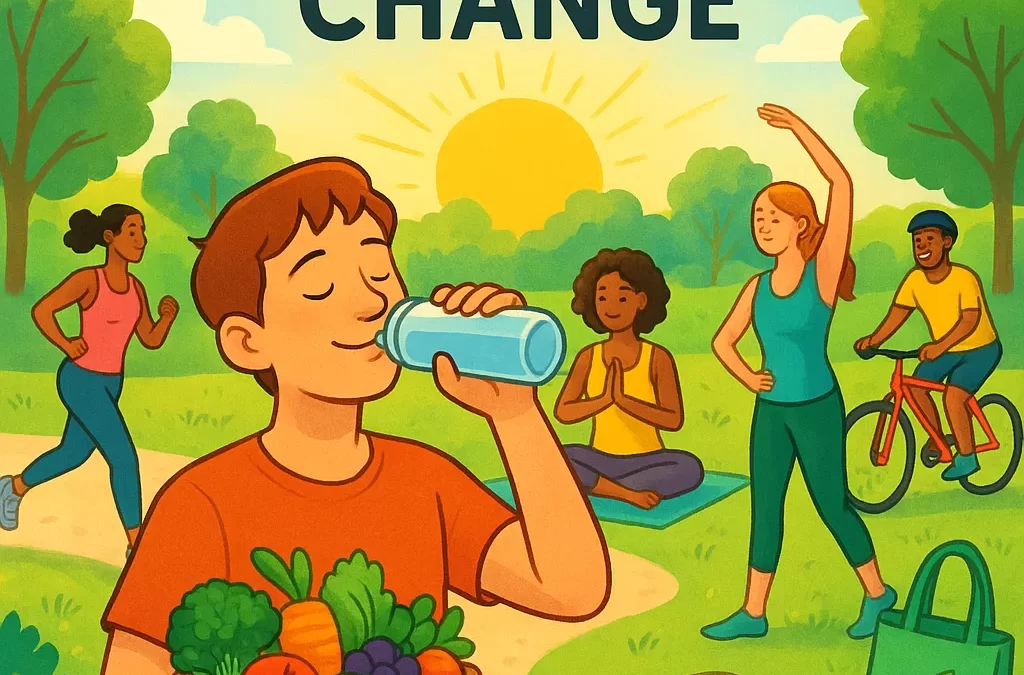
What Are Some Simple Steps I Can Take to Make a Positive Lifestyle Change?
To make a positive lifestyle change, start by identifying small, manageable habits to improve your daily routine—like drinking more water, getting enough sleep, and moving more. Consistent, incremental changes are more sustainable over time and can lead to significant improvements in your physical and mental well-being.
—
What Does “Positive Lifestyle Change” Mean?
A **positive lifestyle change** refers to intentional adjustments in daily habits and behaviors aimed at enhancing overall health, happiness, and life satisfaction. This often involves adopting healthier eating patterns, increasing physical activity, improving sleep quality, and nurturing supportive relationships.
> **Definition Box:**
> **Positive Lifestyle Change**: Small, intentional shifts in habits or routines to improve physical health, mental well-being, and quality of life.
—
What Are the First Steps to Making a Positive Lifestyle Change?
The key is to start simple and gradual. Here are commonly recommended steps:
1. **Set Clear, Achievable Goals**
– Example: “I’d like to walk 20 minutes every day.”
2. **Focus on One Change at a Time**
– Trying to overhaul everything at once can be overwhelming.
3. **Make Small Swaps**
– Replace sugary drinks with water or take stairs instead of the elevator.
4. **Track Your Progress**
– Use a journal or apps to monitor habits and celebrate milestones.
5. **Seek Support**
– Connect with friends, family, or support groups to stay motivated.
—
What Are Examples of Simple Lifestyle Changes?
Here are some easy and actionable steps you can take:
| Habit Area | Simple Change Example |
|——————–|—————————————-|
| Nutrition | Eat one extra serving of vegetables a day |
| Activity | Take a brisk 10-minute walk after meals |
| Sleep | Set a consistent bedtime |
| Hydration | Drink a glass of water before each meal |
| Stress Management | Practice 5 minutes of deep breathing |
| Relationships | Call a friend for a chat once a week |
—
How Can I Start Eating Healthier Without Dieting?
Many people ask, “How do I eat better without doing a restrictive diet?” The answer is to embrace balanced nutrition. For example, focus on whole foods like fruits, vegetables, whole grains, lean proteins, and healthy fats. Avoid processed foods gradually rather than all at once.
What Are Small Dietary Changes I Can Make?
– Swap out white bread for whole-grain bread
– Add a serving of fruit to your breakfast
– Replace soda with herbal tea or water
– Cook at home more often
—
What Are Effective Ways to Be More Active Each Day?
Questions often include, “How can I add more exercise to my daily life?” or “How do I become less sedentary?”
Some effective, simple options:
– Take short walking breaks between tasks
– Opt for standing or walking meetings
– Use stairs instead of elevators or escalators
– Try quick home workouts or stretching routines in the morning
> **Tip:** The World Health Organization recommends at least 150 minutes of moderate physical activity per week for adults.
—
How Can I Improve My Sleep for Better Well-being?
Improving sleep is a frequent goal, with questions like “What are simple steps to sleep better?” or “How can I get more restful sleep?”
Practical tips to enhance sleep quality:
– Set a regular sleep schedule (same bedtime/wake-up time each day)
– Avoid screens 30 minutes before bedtime
– Create a relaxing bedtime routine, like reading or meditation
– Keep your bedroom cool, dark, and quiet
—
What Small Steps Can I Take to Reduce Stress?
Stress management is integral to positive lifestyle change. Here’s how you can start:
– Practice mindful breathing or meditation for a few minutes each day
– Schedule short “me-time” breaks in your daily routine
– Engage in a hobby or activity you enjoy
– Connect with supportive people
**Related concepts**: Mindfulness, emotional regulation, self-care routine
—
Bite-Sized Action Plan: Your Path to Positive Lifestyle Change
Here is a quick-reference checklist to get started:
1. **Pick One Area** to focus on (nutrition, activity, sleep, stress, relationships)
2. **Identify a Simple Change** (e.g., add one fruit to breakfast)
3. **Set a Reminder** or make it part of an existing routine
4. **Monitor Progress** (journal, app, check-ins)
5. **Celebrate Small Wins** to maintain motivation
—
Why Are Small Changes More Effective Than Big Overhauls?
Small changes are easier to maintain and gradually reshape your identity and habits, leading to long-term positive results. This concept is supported by behavioral science principles and habit formation research—making smaller changes reduces overwhelm and increases the likelihood of lasting success.
—
Frequently Asked Questions (FAQ)
1. What is the best first step for making a lifestyle change?
Start by choosing just one small, achievable habit to adjust—such as drinking an extra glass of water daily or walking after dinner.
2. How can I stay motivated to keep up positive changes?
Set realistic goals, track your progress, celebrate small milestones, and seek support from friends, family, or online communities.
3. Can small lifestyle changes really make a difference?
Yes, over time, small adjustments can create powerful, lasting improvements to your health and overall happiness.
4. How do I avoid feeling overwhelmed by new habits?
Focus on one change at a time, keep it simple, and be patient with yourself. Progress, not perfection, is key.
5. Which is more important: diet, exercise, or sleep?
All three are vital and interconnected. Starting with improvements in any one area can encourage positive shifts in others.
6. What are some good apps or tools to help build healthy habits?
Popular habit-tracking apps like Habitica, Streaks, and MyFitnessPal can help you set reminders, log progress, and stay accountable.
7. How long does it take to form a new habit?
Research suggests it takes an average of 21–66 days to develop a new habit, depending on the behavior and individual.
—
In Summary
Making a positive lifestyle change doesn’t have to be difficult. By targeting one small, manageable habit, tracking your progress, and seeking support, you can build momentum toward better health and well-being. Whether your goal is to eat healthier, move more, sleep better, or reduce stress, incremental steps truly add up over time.
—
“`
Leave a Reply