
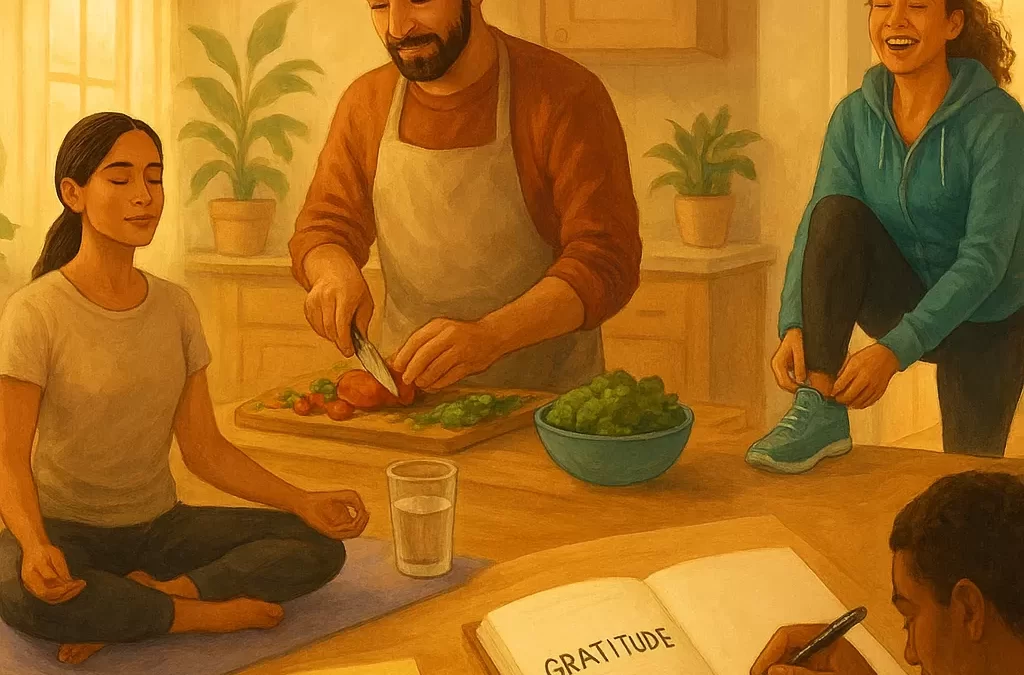
Simple Steps for Starting a Positive Lifestyle Change
What are some simple steps I can take to start a positive lifestyle change?
The simplest steps to start a positive lifestyle change are: set clear, achievable goals, establish small daily habits, and surround yourself with supportive influences. These foundational actions make it easier to build momentum and maintain progress toward a healthier, happier life.
Positive Lifestyle Change: Any intentional adjustment in daily behavior, mindset, diet, physical activity, or relationships—aimed at improving your health, happiness, or overall well-being.
How do you start living a positive lifestyle?
Many people ask, “How can I start making positive changes in my life?” or “What are easy ways to build a healthier lifestyle?” It begins with simple, actionable steps that gradually lead to sustainable improvement. You don’t need an overhaul—just small changes that add up.
Why Start Small With Lifestyle Changes?
Starting small increases your chance of success and forms the foundation for lasting habits. Research by behavior scientists, such as BJ Fogg and James Clear, shows that tiny, manageable actions—like drinking more water or taking a 5-minute walk—are more likely to stick than major, sudden overhauls.
What are the key steps to a positive lifestyle change?
Here are actionable and evidence-based steps you can begin today:
Clarify Your Why: Understand your motivation. Are you trying to improve your health, reduce stress, or boost happiness? A clear purpose guides your actions.
Set Realistic Goals: Use the SMART goal framework (Specific, Measurable, Achievable, Relevant, Time-bound) to define your first steps.
Create Daily Micro-Habits: Choose one or two small tasks you can repeat easily, such as meditating for 3 minutes, journaling one thought, or adding a vegetable to your meals.
Track Progress: Use simple tools—a notebook, smartphone app, or calendar—to monitor your consistency.
Celebrate Small Wins: Acknowledge and reward yourself for taking positive actions, no matter how minor.
Seek Social Support: Share your goals with a friend, join a supportive community, or connect with mentors.
Be Kind to Yourself: Practice self-compassion. Everyone slips up; the key is to restart without judgment.
Entities and Concepts Related to Lifestyle Change
Well-being: Encompasses physical health, mental health, and emotional resilience.
Mindfulness: Intentionally paying attention to the present moment to reduce stress and enhance awareness.
Sleep Hygiene: Practices that improve the quality of your sleep, such as regular bedtimes and screen-free routines.
Nutritional Balance: Eating a variety of whole foods for sustained energy.
Movement: Any activity, from walking to dancing, that gets your body moving.
Step
Example
Science-Backed Benefit
Daily Micro-Habit
Drink 1 glass of water upon waking
Improves hydration, energizes body
Move More
Take stairs instead of elevator
Boosts cardiovascular health, mood
Practice Gratitude
Write down 1 thing you’re grateful for
Enhances emotional well-being
Connect Socially
Send a kind message to a friend
Strengthens relationships, reduces loneliness
Digital Detox
No phone for 30 min before bed
Improves sleep quality
What are easy things I can do to feel better every day?
Positive lifestyle change isn’t about perfection—it’s about consistency with simple, uplifting rituals. Here are some universally recommended daily actions:
Hydrate: Begin your day with water.
Prioritize Sleep: Aim for 7-9 hours each night.
Move Your Body: Even light stretching or walking counts.
Eat Mindfully: Include fruits, vegetables, and reduce processed foods.
Practice Mindfulness: Try breathwork, meditation, or simply pausing to notice your surroundings.
Connect: Share a moment with a loved one or offer a compliment.
Reflect: Journal a thought, feeling, or gratitude.
How do positive lifestyle changes impact well-being?
Small healthy changes influence multiple domains of life, backed by a wide array of research:
Physical health improves through better sleep, nutrition, and exercise.
Mental well-being rises with reduced stress and increased self-esteem.
Social connection enhances resilience and life satisfaction.
Self-efficacy grows with each successful change, motivating further improvement.
For context: Studies from the Centers for Disease Control and Prevention (CDC) and National Institutes of Health (NIH) frequently link positive habits like regular movement and sleep with decreased risk of chronic disease and enhanced mood.
Does starting a positive lifestyle change need to be hard?
Not at all. The process can be simple, flexible, and enjoyable. The key is to make adjustments fit your life and personality. Choose changes you look forward to, and progress will feel more natural.
What are other ways people ask about starting a positive lifestyle change?
What are simple ways to build good habits?
How can I improve my lifestyle with small changes?
What are examples of daily routines for a healthy life?
How can I make positive changes without feeling overwhelmed?
How to make your first lifestyle change stick
Choose one small goal, link it to an existing routine (for example, meditate after your morning coffee), and track progress for 21-30 days. Reward yourself when you remember, and if you skip a day, just start again—consistency, not perfection, drives improvement.
Practical Tips & Real-Life Examples
Put a Water Bottle on Your Nightstand: Reminds you to hydrate first thing.
Set Out Workout Clothes the Night Before: Reduces friction for morning movement.
Plan Meals Ahead: Makes healthy eating easier, even on busy days.
Schedule Screen-Free Time: Protects your focus and sleep.
Create a “Win Jar”: Write down every positive action or habit for motivation.
Frequently Asked Questions About Positive Lifestyle Change
1. How long does it take to form a new healthy habit?
Research shows it takes anywhere from 21 to 66 days for a new behavior to become automatic, depending on the complexity and consistency of practice.
2. What if I miss a day or fall back into old habits?
That’s normal! Don’t get discouraged—acknowledge the slip, forgive yourself, and refocus on your next small step.
3. Are there specific areas I should prioritize first?
Start with changes that impact multiple areas, like improving sleep, increasing movement, or adding more nutritious foods—these provide rapid benefits and energy for other goals.
4. Can these tips help with mental health, too?
Yes, the same habits that benefit physical health—such as regular movement, sleep, nutrition, mindfulness, and social connection—also support a more balanced, positive mindset.
5. Do I need expensive apps, gear, or programs?
No—start with what you have. Many positive changes, like walking, journaling, or drinking water, cost nothing but offer big returns.
6. How can I stay motivated after the initial excitement fades?
Find a support system, celebrate mini-wins, and revisit your core motivation (“why”) frequently. It’s normal for motivation to ebb and flow.
7. What if my friends or family aren’t supportive?
Seek out positive communities online or offline who share your goals. Social accountability and encouragement can come from many sources.
Summary: Starting Your Positive Lifestyle Change Today
Positive change starts with a single, simple step—choose a micro-habit, stay consistent, and embrace progress over perfection. Over time, these small actions compound, leading to a healthier, more fulfilling life. Remember, you don’t need to do it all at once; just start with one thing, today.
“`
Leave a Reply