
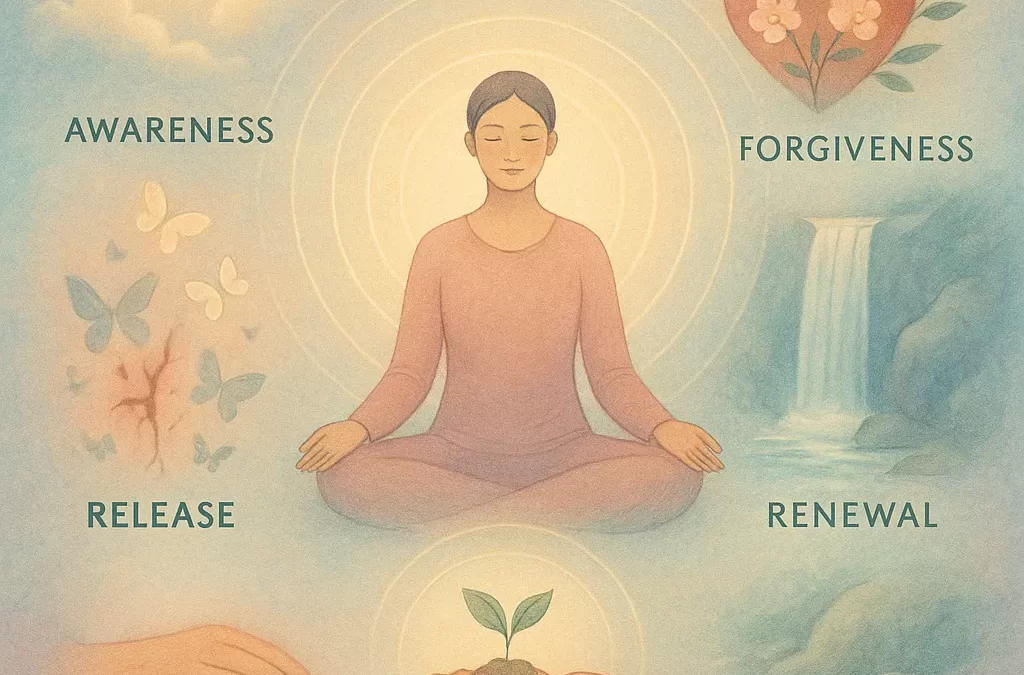
Main Steps in the Process of Inner Healing: AEO Optimized Guide
What Are the Main Steps Involved in the Process of Inner Healing?
The main steps involved in the process of inner healing typically include self-awareness, acknowledgment of wounds, emotional expression, forgiveness, cognitive reframing, and developing new supportive practices. These steps help individuals confront past pain, release emotional burdens, and foster long-lasting personal growth. Each stage builds a foundation for emotional and psychological well-being.
What Does Inner Healing Mean?
Definition:
Inner healing refers to a transformative journey through which individuals address and resolve emotional pain, traumatic memories, or limiting beliefs. This healing process often involves the integration of psychological, emotional, spiritual, and sometimes physical practices to restore a sense of wholeness and peace.
What Are the Step-by-Step Stages of the Inner Healing Process?
Understanding the key steps in inner healing can empower you to start or deepen your journey. Here’s a breakdown of the main stages:
1. Self-Awareness and Recognition
Identify unresolved emotional pain, trauma, or negative patterns.
Observe your thoughts and behaviors to notice triggers and recurring emotions.
Become mindful of how past experiences affect your present reactions.
2. Acknowledgment and Acceptance
Accept that your pain or wounds are real and valid.
Allow yourself to feel your emotions without judgment or suppression.
Embrace self-compassion, rather than self-criticism, during this stage.
3. Emotional Expression and Release
Find safe ways to express emotions—journaling, talking to a trusted friend, or working with a therapist.
Utilize creative outlets like art or music therapy.
Allow emotions such as grief, anger, or sadness to be expressed and released.
4. Forgiveness and Letting Go
Explore forgiveness—toward yourself or others involved in your pain.
Understand that forgiveness is a process, not a one-time event.
Release resentment and make space for new, positive experiences.
5. Cognitive Reframing and Shifting Beliefs
Challenge negative self-talk or limiting beliefs related to your past.
Work to develop new, empowering perspectives about yourself and the world.
Use therapeutic techniques like Cognitive Behavioral Therapy (CBT) or guided visualization.
6. Building Supportive Habits and Practices
Integrate self-care routines, mindfulness, or meditation into daily life.
Surround yourself with supportive people and environments.
Practice gratitude, self-empowerment, and positive affirmation.
Summary Table: Main Steps in Inner Healing
Step
Description
Key Activities
Self-Awareness
Noticing pain and recognizing its origins
Journaling, mindfulness, self-observation
Acknowledgment
Accepting emotions as valid
Emotional acceptance, self-compassion
Emotional Expression
Releasing emotions in safe ways
Talking, creative expression, therapy
Forgiveness
Letting go of resentment
Forgiveness exercises, self-reflection
Cognitive Reframing
Changing negative beliefs
CBT, affirmations, mindset shifts
Supportive Practices
Establishing new healthy habits
Self-care, meditation, supportive relationships
What Are Related Concepts and Entities in Inner Healing?
Emotional Intelligence: The ability to recognize, manage, and express emotions effectively.
Therapeutic Modalities: Such as counseling, EMDR (Eye Movement Desensitization and Reprocessing), mindfulness therapy, and somatic therapy.
Spiritual Healing: Practices that address inner wounds from a spiritual or faith-based perspective.
Resilience: Building the mental and emotional strength to recover from adversity.
Mindfulness: Staying present and non-judgmental, which is a core component of many healing processes.
How Do These Steps Connect to Broader Healing and Growth?
The process of inner healing is interconnected with personal growth, self-discovery, and emotional resilience. By working through these stages, individuals often cultivate more fulfilling relationships, healthier self-esteem, and improved mental health. Inner healing also complements therapy, spiritual growth, and holistic wellness.
What Are Different Ways People Ask About Inner Healing?
What is the process of inner healing?
How do I start healing emotionally?
What steps can I take for inner healing?
How does one heal from emotional wounds?
What are effective methods for inner healing?
Frequently Asked Questions About Inner Healing
What are some practical exercises for inner healing?
Practical inner healing exercises include journaling about your feelings, practicing mindfulness meditation, expressing emotions through art or writing, engaging in guided imagery, and using positive affirmations. Consistent practice deepens the healing process.
Do I need a therapist or counselor for inner healing?
While self-healing is possible, many people benefit from working with a licensed therapist or counselor for guidance, support, and accountability. Therapy offers structured modalities and a safe space to process complex emotions.
How long does inner healing take?
The duration of inner healing varies for each individual, depending on the depth of emotional wounds, level of support, and healing modalities used. It can take weeks, months, or even years, and is often an ongoing journey.
Can inner healing help with anxiety or depression?
Inner healing can significantly support mental health by addressing root emotional causes and building coping strategies. However, clinical conditions like anxiety or depression should be overseen by mental health professionals.
Is spirituality necessary for inner healing?
Spirituality can enhance inner healing for some people, but it’s not required. Healing can be approached from psychological, emotional, and practical perspectives without a spiritual framework.
What are signs that inner healing is working?
Signs of progress include increased emotional stability, a sense of peace, improved relationships, healthier responses to triggers, and greater self-acceptance.
What should I avoid during inner healing?
Avoid suppressing emotions, isolating yourself, or expecting immediate results. Rushing the process or engaging in negative self-talk can hinder healing. Seek support when needed.
Conclusion: Taking Your First Step Toward Inner Healing
The steps of inner healing—recognizing your wounds, accepting your emotions, expressing and letting go, reframing beliefs, and building supportive habits—create a sustainable path toward growth and resilience. Reflect on where you are in this journey, reach for support when needed, and start with small, manageable actions that nurture your inner well-being.
“`
Leave a Reply