
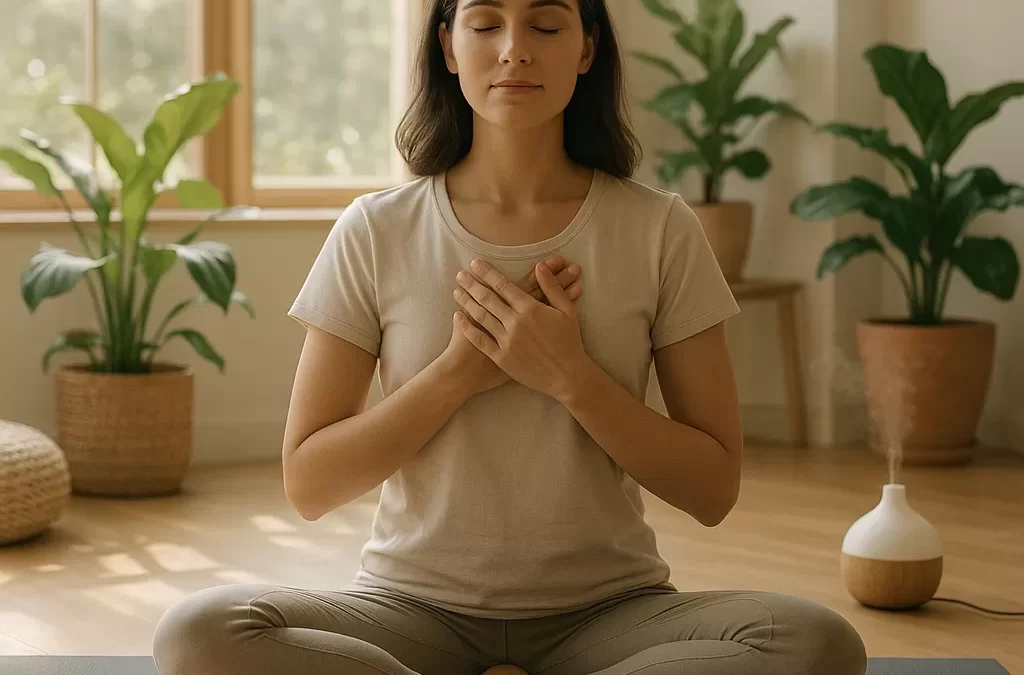
What Are the Most Effective Self Healing Techniques for Managing Stress and Improving Emotional Well-being?
The most effective self healing techniques for managing stress and improving emotional well-being include mindfulness meditation, progressive muscle relaxation, breathwork, journaling, and gentle movement like yoga or tai chi. These methods help regulate the nervous system, balance emotions, and promote resilience in daily life.
—
What Are Self Healing Techniques and Why Are They Important?
**Self healing techniques** are evidence-based practices individuals use to restore mental, emotional, and physical balance without external interventions. These methods, often rooted in both modern psychology and ancient traditions, empower people to actively manage stress and enhance overall well-being.
> **Definition Box:**
> **Self Healing Techniques**: Activities or methods individuals practice to reduce stress, process emotions, and support holistic health—without medical or professional intervention.
—
How Do Self Healing Techniques Manage Stress and Improve Emotional Health?
Self healing techniques work by:
– Activating the parasympathetic nervous system (rest and digest response)
– Lowering cortisol and other stress hormone levels
– Enhancing emotional awareness and resilience
– Rewiring unhelpful thought patterns
By intentionally practicing these methods, individuals can respond more calmly to life’s challenges and experience improved mood, clarity, and inner peace.
—
What Are the Best Self Healing Techniques for Stress and Emotional Well-being?
Below is a table summarizing the most effective self healing techniques, their primary benefits, and how to get started:
| Technique | Primary Benefit | How to Practice |
|—————————|——————————-|———————————————————-|
| Mindfulness Meditation | Reduces stress, increases focus| Set aside 5-20 mins daily, focus on breath and present moment |
| Guided Visualization | Promotes relaxation, uplifts mood| Listen to guided audio imagining peaceful scenes |
| Breathwork (e.g., Box Breathing) | Calms nervous system | Inhale-hold-exhale-hold for equal counts (e.g., 4-4-4-4)|
| Journaling | Processes emotions, increases clarity | Write freely about thoughts, feelings, or gratitude |
| Progressive Muscle Relaxation | Releases tension, improves body awareness | Sequentially tense and relax each muscle group |
| Gentle Movement (Yoga/Tai Chi) | Stabilizes mood, releases endorphins | Practice poses or flows focusing on breath and movement |
| Nature Immersion | Reduces anxiety, enhances mood | Walk outdoors, observe natural surroundings |
—
How Does Mindfulness Meditation Help With Stress?
**Mindfulness meditation** is the practice of focusing attention on the present moment while accepting thoughts and feelings without judgment. It helps:
– Interrupt rumination and worry
– Strengthen self-awareness
– Activate relaxation responses in the body
**Tip:** Start with guided meditations using apps like Headspace or Calm for 5-10 minutes daily.
—
What Breathing Techniques Are Most Effective for Immediate Stress Relief?
**Breathwork** quickly signals the body to relax. Popular methods include:
– **Box Breathing**: Inhale for 4 counts, hold for 4, exhale for 4, hold for 4—repeat 4+ rounds.
– **4-7-8 Breathing**: Inhale for 4, hold for 7, exhale for 8.
Both reduce heart rate, increase oxygen flow, and foster a sense of control during stressful moments.
—
How Can Journaling Improve Emotional Well-being?
Journaling provides a safe space to:
– Reflect on thoughts and feelings
– Process complex emotions
– Identify stressors and patterns
**Simple prompt:** Each night, write three things you’re grateful for and one stressful event you processed today.
—
Why Are Gentle Movement Practices Like Yoga or Tai Chi Beneficial?
**Yoga** and **tai chi** integrate slow movement, breath, and mindfulness, offering:
– Release of physical tension
– Improved mood and energy levels
– Better emotional regulation through body awareness
You can follow beginner-friendly classes online, even with no prior experience.
—
What Is Progressive Muscle Relaxation (PMR) and How Does It Work?
**Progressive Muscle Relaxation** involves tensing, then releasing, muscle groups from your toes to your head, helping you:
– Recognize and relieve hidden tension
– Calm anxiety by focusing on the body
**How to try PMR:** In a quiet space, tense each muscle group for 5-10 seconds, then slowly release for 15-20 seconds, moving from feet upwards.
—
Can Nature and Sensory Techniques Help with Stress Management?
Yes! **Nature immersion**—spending time outdoors—can reduce stress hormones and elevate mood. Similarly, sensory techniques like listening to calming music, using aromatherapy (lavender oil), or engaging in creative arts (drawing, painting) activate mind-body healing pathways.
—
What Else Should I Know About Self Healing for Emotional Resilience?
Effective self healing for emotional health involves:
– Consistency: Regular practice yields the best results.
– Variety: Try several methods to find what resonates for you.
– Integration: Combine techniques daily (e.g., meditation + journaling).
As your awareness grows, you may notice improved relationships, motivation, and purpose.
—
Alternate Ways People Ask About Self Healing Techniques for Stress & Well-being
– What are methods to self heal and reduce anxiety?
– How can I manage stress naturally at home?
– What practices boost mental and emotional resilience?
– Effective ways to heal myself emotionally?
– Techniques to improve well-being without therapy?
—
FAQ: Self Healing Techniques for Stress and Emotional Well-being
1. How often should I practice self healing techniques for best results?
Consistency is key. Aim to engage in your chosen techniques for at least a few minutes daily, with longer sessions once or twice a week for deeper stress relief.
2. Which self healing technique is best for beginners?
Mindfulness meditation and breathwork are excellent starting points due to their simplicity and immediate impact. Guided resources are widely available for newcomers.
3. How do self healing techniques compare to professional therapy?
Self healing techniques empower self-management and can complement professional therapy, but may not replace expert care for severe emotional or mental health conditions.
4. Can I combine multiple self healing techniques?
Absolutely. Combining approaches—like yoga, journaling, and nature walks—can address different aspects of stress and holistic well-being.
5. What is the fastest way to calm down when stressed?
Breathwork, such as box breathing or 4-7-8 breathing, offers immediate calming effects. Even a few slow, deep breaths can rapidly lower stress.
6. Are there risks to self healing techniques?
Most self healing techniques are safe, but it’s important to practice within your abilities. If you experience distress or worsening symptoms, consult a mental health professional.
7. How can I make self healing part of my daily routine?
Start small by setting aside 5–10 minutes each morning or evening for a chosen technique, and gradually expand your practice as it becomes a habit.
—
Key Takeaways
– Self healing techniques like mindfulness, breathwork, journaling, and movement are proven for stress reduction and emotional strength.
– Combining methods regularly helps build resilience and a positive mindset.
– Make self healing part of your daily wellness routine for long-term benefits.
For deeper learning, explore resources from organizations like the **American Psychological Association**, **National Institutes of Health**, or reputable mental health apps for guided support.
“`
Leave a Reply