
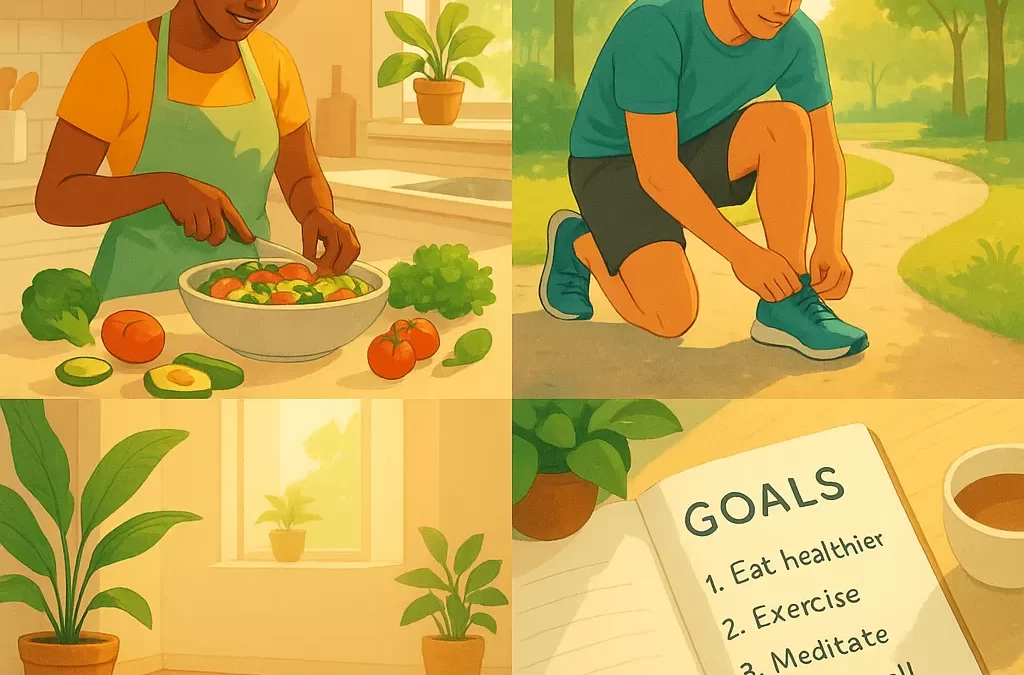
What Are the Most Effective Steps to Start a Lifestyle Change for Better Health?
The most effective steps to start a lifestyle change for better health include setting clear, realistic goals, focusing on balanced nutrition, adopting regular physical activity, improving sleep habits, and managing stress. Beginning with small, sustainable changes makes it easier to maintain progress and overcome obstacles, leading to lasting health improvement.
—
What Does It Mean to Make a Lifestyle Change for Better Health?
A lifestyle change for better health means adopting ongoing habits that improve your physical and mental well-being over time. This includes positive adjustments to what you eat, how often you move, your sleep patterns, stress management techniques, and other daily routines. Unlike quick fixes or fad diets, a lifestyle change is intended to be long-lasting and holistic.
> **Lifestyle Change Definition**
> “A lifestyle change is a long-term adjustment in habits and behaviors, such as diet, exercise, and stress management, designed to improve overall health and quality of life.”
—
How Do I Start a Healthy Lifestyle Change? (Step-by-Step Guide)
People often ask: _How do I start living healthier?_ or _What first steps do I take for a healthy lifestyle change?_ The best approach involves small, manageable adjustments that build on each other.
Steps to Start a Lifestyle Change for Better Health
1. **Assess Your Current Habits**
– Reflect honestly on your diet, physical activity, sleep, and stress levels.
– Keep a daily journal for a week to identify patterns.
2. **Set SMART Goals**
– Make goals Specific, Measurable, Achievable, Relevant, and Time-bound.
– Example: “Walk 20 minutes five times a week.”
3. **Prioritize Balanced Nutrition**
– Increase intake of vegetables, fruits, whole grains, lean proteins, and healthy fats.
– Limit processed foods, sugary drinks, and excessive salt.
4. **Incorporate Physical Activity**
– Aim for at least 150 minutes of moderate exercise per week (such as brisk walking, cycling, or swimming).
– Find activities you enjoy for consistency.
5. **Improve Sleep Hygiene**
– Maintain a consistent sleep schedule.
– Create a calm, device-free bedtime routine.
6. **Practice Stress Management**
– Use techniques like mindfulness, deep breathing, yoga, or journaling.
– Seek support from friends, family, or professionals when needed.
7. **Create a Supportive Environment**
– Surround yourself with people who encourage healthy habits.
– Make your home conducive to your health goals (e.g., keep healthy snacks available, plan activity-friendly spaces).
8. **Track Progress and Celebrate Small Wins**
– Use apps, journals, or simple charts to monitor your habits.
– Celebrate milestones, no matter how small.
—
Table: Key Components of a Healthy Lifestyle Change
| Component | Examples | Tips for Success |
|——————|———————————————|———————————————–|
| Nutrition | Eat more plants, less processed food | Plan meals, portion control |
| Physical Activity| Walk, cycle, dance, strength train | Set weekly targets, find a buddy |
| Sleep | Go to bed, wake up at same time daily | Avoid screens before sleep, cooling room |
| Stress | Meditate, journal, connect socially | Schedule downtime, ask for help |
| Social Support | Family, friends, online groups | Share goals, join a community |
—
Why Are Small Steps Important When Changing Your Lifestyle?
Many people wonder: _Is it better to make many changes at once or one small change at a time?_ Research shows that starting with small, manageable changes leads to higher success rates. Big, abrupt adjustments can be overwhelming and harder to sustain.
**Tip:** Start with one habit (e.g., drinking more water) and build on your success gradually.
—
What Are Common Obstacles to Lifestyle Change—and How Can I Overcome Them?
Challenges and Solutions
– **Lack of Motivation**
– Solution: Set meaningful goals, find an accountability buddy, reward milestones.
– **Time Constraints**
– Solution: Prioritize health activities in your daily schedule; start with quick routines.
– **All-or-Nothing Thinking**
– Solution: Recognize that setbacks are normal; progress, not perfection, is key.
—
What Else Should I Consider When Making a Lifestyle Change?
Related Concepts & Entities
– **Habit Formation**: Connect new habits to existing routines (habit stacking).
– **Behavior Change Theories**: Concepts like the Transtheoretical Model (Stages of Change) can guide your journey.
– **Accountability Tools**: Use tech (apps, wearables), social groups, or a health coach.
– **Health Metrics**: Track blood pressure, weight, sleep quality, and mood changes for deeper insights.
– **Prevention**: Daily healthy habits help reduce long-term risk for chronic diseases like diabetes, heart disease, and obesity.
—
Question Variations: How Else Might People Ask About Starting a Lifestyle Change?
– How can I improve my health with simple lifestyle changes?
– What is the best way to switch to a healthier lifestyle?
– What habits should I change first to get healthier?
– How do I make a sustainable lifestyle change?
– What practical steps can I take to improve my health every day?
—
Answer Boxes: Quick Reference
**Top 3 Actions to Begin a Healthy Lifestyle**
1. Choose one small, specific goal to start (e.g., add one fruit per day).
2. Schedule daily movement that suits your interests.
3. Track your habits to maintain motivation.
—
How Do Nutrition, Exercise, Sleep, and Stress Work Together?
These factors influence each other and collectively impact your health. For example, regular exercise eases stress and improves sleep, while balanced nutrition fuels energy for activity. Managing stress can prevent emotional eating and promote better choices, too.
> **Semantic Connection Example:**
> Good sleep → boosts energy for exercise → improved mood → motivation to eat better and handle stress.
—
What Are Warning Signs That You Need to Change Your Lifestyle?
– Frequent fatigue, mood swings, or low energy
– Irregular sleep patterns or ongoing insomnia
– Digestive issues or frequent illness
– Weight gain or difficulty managing weight
– High stress and trouble coping
If you experience several of these symptoms, it may be time to consider a lifestyle change.
—
Frequently Asked Questions (FAQ)
1. How quickly will I see results from a lifestyle change?
Most people notice initial benefits like better mood and increased energy within 2–4 weeks. Physical changes (weight loss, muscle gain) typically take a few months with consistent effort.
2. Can I make lifestyle changes if I have a chronic health condition?
Yes. In fact, even small changes can greatly benefit those with conditions like diabetes, hypertension, or heart disease. Consult your healthcare provider before making major adjustments.
3. What is the hardest part about changing your lifestyle for health?
Many struggle with maintaining motivation and overcoming old habits. Building a support system and celebrating small wins can help you stay consistent.
4. Do I need to give up all my favorite foods to eat healthy?
No. Healthy eating is about balance, not deprivation. Enjoy favorite foods occasionally while prioritizing whole, nutrient-rich options.
5. How can I stay motivated for long-term change?
Set achievable goals, track your progress, seek social support, and focus on the positive effects you notice along the way.
6. What role does mental health play in lifestyle change?
Mental health is foundational. Managing stress, addressing anxiety or depression, and embracing self-care are essential for sustainable lifestyle improvements.
7. Are there simple beginner exercises if I’m out of shape?
Yes—walking, gentle stretching, and beginner yoga are effective starting points for most people.
—
Conclusion: Making Your Healthy Lifestyle Change Last
The most effective way to start a lifestyle change for better health is by setting realistic goals, focusing on the fundamentals (nutrition, exercise, sleep, and stress), and building new habits slowly. Remember, small, consistent steps are more sustainable than drastic changes. With self-awareness, support, and perseverance, anyone can create lasting improvements in health and well-being.
“`
Leave a Reply