
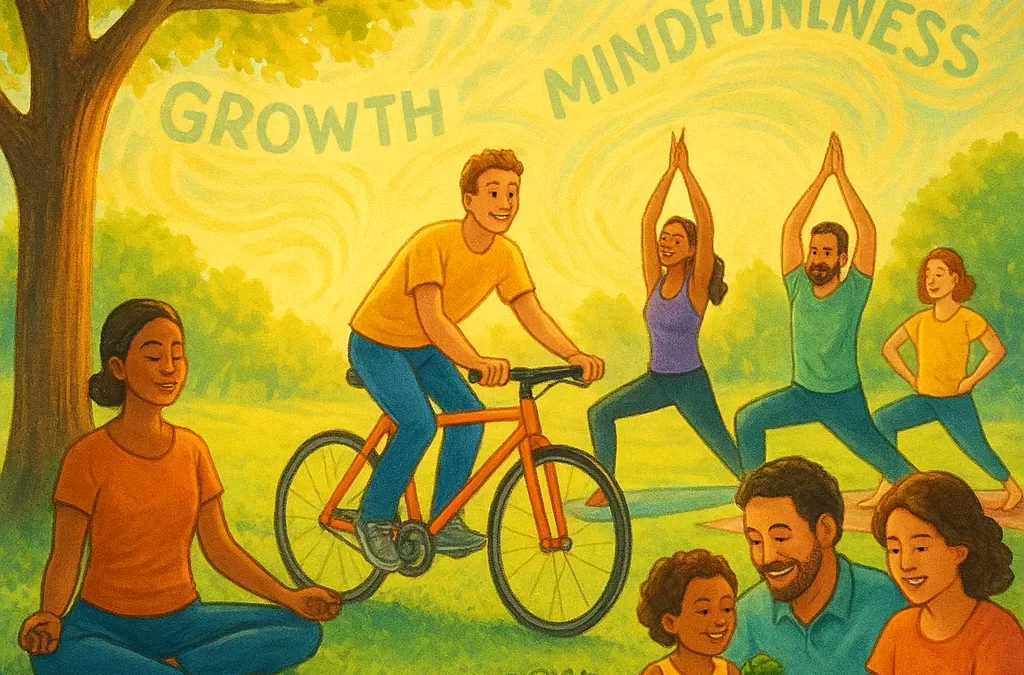
What are the Most Effective Steps to Start a Positive Lifestyle Change?
What are the Most Effective Steps to Start a Positive Lifestyle Change?
The most effective steps to start a positive lifestyle change are to set clear, achievable goals, adopt small but consistent healthy habits, and build a supportive environment. By making gradual changes in mindset and daily routines, anyone can create sustainable improvements in overall well-being.
What Does a Positive Lifestyle Change Mean?
Definition:
A positive lifestyle change refers to adopting new behaviors, routines, or attitudes that promote improved health, happiness, and fulfillment over time. This can involve modifications in areas such as nutrition, physical activity, mental health, social relationships, and personal growth.
How Can Someone Begin a Positive Lifestyle Change?
Many people wonder, “How do I start making better choices in my life?” The answer involves a combination of planning, mindset, and community support. Here’s a practical, step-by-step approach.
Step-By-Step: Starting a Positive Lifestyle Change
Identify Your “Why”: Reflect on your motivation and the reasons you want to change. A strong purpose helps maintain commitment.
Set Clear, Specific Goals: Define exactly what you want to change. For example, instead of “be healthier,” set a goal like “walk 30 minutes every day.”
Start Small: Make one simple change at a time, such as drinking more water or adding a daily gratitude practice.
Build Consistency Through Routine: Incorporate new habits into your daily schedule, making it easier to stick to them.
Track Your Progress: Use tools like journals, habit trackers, or apps to measure successes and identify improvement areas.
Seek Support and Accountability: Share your goals with friends, family, or support groups for encouragement and feedback.
Adjust and Learn: If something isn’t working, make gentle adjustments without feeling discouraged. Flexibility is key.
What Areas Should You Focus On for a Positive Lifestyle Change?
Effective lifestyle changes usually include improvements across health, mindset, and relationships. Below is a table summarizing essential focus areas and example actions:
Focus Area
Example Actions
Physical Health
Balanced diet, regular exercise, proper sleep
Mental Well-being
Mindfulness, stress management, positive self-talk
Emotional Health
Journaling, gratitude practice, expressing emotions
Social Connections
Quality time with loved ones, building support networks
Environment
Declutter living spaces, create calming routines
Continuous Learning
Reading, new skills, personal development
How Do Habits Influence Lifestyle Changes?
Habits are automatic behaviors that make up most of our daily actions. Implementing new, positive habits—such as morning stretching or meal planning—makes it easier to sustain a healthy lifestyle without relying on motivation alone.
Why is Mindset Important for Lifestyle Change?
Your mindset is the lens through which you approach challenges and opportunities. Adopting a growth mindset—believing that abilities and habits can improve with effort—encourages perseverance and resilience when starting new routines. Related entities in this space include self-compassion, motivation, and stress management.
Growth Mindset: Seeing setbacks as learning opportunities
Self-Acceptance: Celebrating progress, not perfection
Resilience: Bouncing back from obstacles and continuing forward
How Can You Simplify the Lifestyle Change Process?
People often ask: “What’s the easiest way to change my lifestyle?” or “How do I avoid feeling overwhelmed?” The solution is to simplify: pick one area to focus on and break larger goals into incremental, manageable steps.
Simple Tips For Beginners
Prioritize one habit at a time—avoid multitasking your changes.
Use cues and reminders—sticky notes, alarms, or pairing with existing habits (habit stacking).
Celebrate small wins—acknowledge every milestone to build confidence.
What Role Does Environment Play in Positive Change?
Your environment can either support or hinder your progress. Surrounding yourself with positive influences, reducing exposure to stressors, and creating visually appealing spaces make healthy choices easier. Environmental design is often linked with successful habit change strategies.
Who Can Benefit from a Positive Lifestyle Change?
Whether you’re a student, professional, parent, or retiree, positive lifestyle changes are universally beneficial. Improved habits in diet, exercise, and mental wellness lead to better energy levels, reduced risk of chronic illness (like obesity and diabetes), and increased life satisfaction.
How Long Does It Take to See Results?
While every person is different, research suggests new habits can form in as little as three weeks, but lasting lifestyle change often takes several months. Consistency, patience, and support from related entities—such as health coaches, communities, or accountability partners—make it easier to sustain progress.
Can Technology Help with Positive Lifestyle Changes?
Absolutely! Mobile apps, fitness trackers, online communities, and digital habit-building tools provide motivation, reminders, and connection with others who share your goals. Many people have success using platforms like MyFitnessPal, Fitbit, or meditation apps such as Headspace.
Summary Table: Steps to Achieve a Positive Lifestyle Change
Step
Description
Identify Motivation
Clarify your purpose and goal for change.
Set Specific Goals
Choose clear, realistic targets to guide your efforts.
Adopt One Habit at a Time
Focus on manageable, small improvements.
Create Supportive Environment
Design surroundings to encourage healthy behaviors.
Monitor Progress
Track achievements and adjust as needed.
Stay Flexible
Adapt strategies and remain resilient after setbacks.
Seek Support
Build a network for accountability and motivation.
Related Topics and Entities
Behavior Change
Healthy Habits
Growth Mindset
Resilience
Habit Formation
Emotional Intelligence
Wellness Communities
Frequently Asked Questions (FAQ)
1. What are the first habits to change for a healthier lifestyle?
Begin by improving your sleep routines, increasing daily movement, and eating more whole foods. These foundational habits have the biggest impact on overall well-being.
2. How do I stay motivated to make lifestyle changes?
Stay motivated by keeping your goals visible, breaking them into milestones, rewarding yourself for progress, and connecting with others who encourage you.
3. Can positive lifestyle changes help with mental health?
Yes, practicing mindfulness, maintaining strong social connections, and regular physical activity can reduce symptoms of anxiety and depression, enhancing mental well-being.
4. How do I handle setbacks during lifestyle change?
Treat setbacks as learning opportunities. Reflect, adjust your approach, and remember that lasting change comes from persistence, not perfection.
5. What is the role of nutrition in lifestyle changes?
Nutrition fuels your body and mind. Balanced meals with fruits, vegetables, lean proteins, and whole grains improve energy, mood, and long-term health outcomes.
6. Is it better to change everything at once or one thing at a time?
Focus on one change at a time for greater success and less overwhelm. Once one habit feels natural, add another.
7. Do I need professional guidance for a positive lifestyle change?
While not required, health coaches, dietitians, therapists, or support groups can provide tailored advice and accountability, making it easier to stay on track.
Conclusion
A positive lifestyle change begins with small, intentional steps, a clear purpose, and supportive surroundings. By focusing on building healthy habits, maintaining a growth mindset, and utilizing modern tools and support networks, anyone can experience lasting and rewarding improvements in their life.
“`
Leave a Reply