
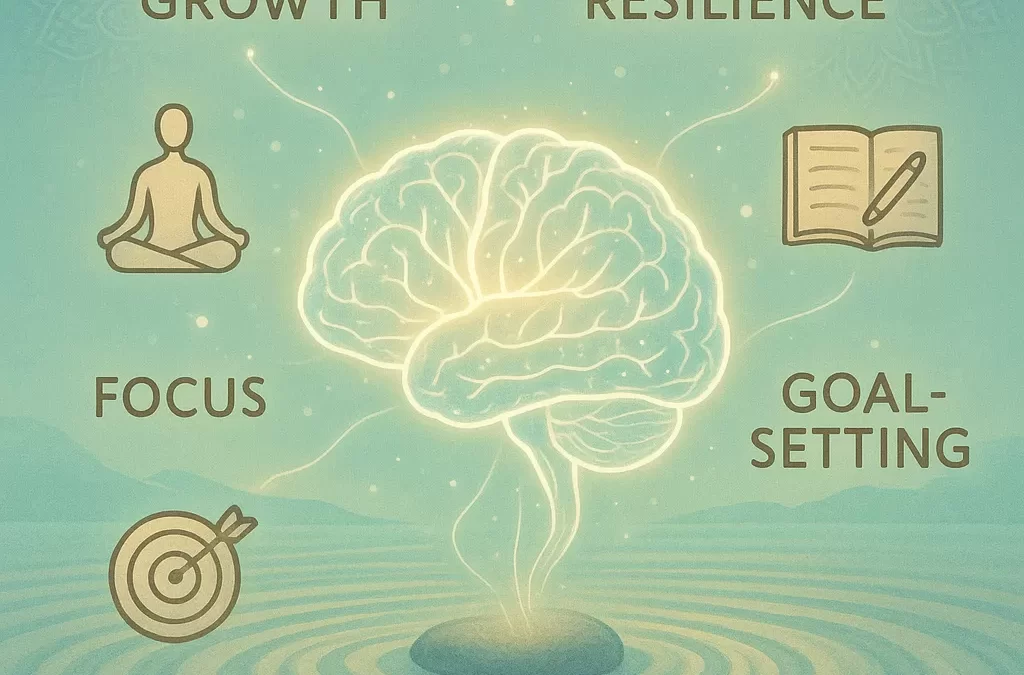
Most Effective Techniques for Mindset Management to Improve Personal Growth
What are the Most Effective Techniques for Mindset Management to Improve Personal Growth?
The most effective techniques for mindset management to improve personal growth are practicing self-awareness, cultivating a growth mindset, and integrating daily habits like mindfulness, positive self-talk, and goal-setting. These strategies help reshape thought patterns, increase resilience, and accelerate personal development. Understanding and consciously managing your mindset is foundational for achieving long-term meaningful growth.
What is Mindset Management?
Mindset management refers to the intentional practice of observing, influencing, and optimizing your thought patterns and beliefs to achieve personal and professional growth. It involves recognizing limiting beliefs, fostering positive attitudes, and consistently applying cognitive techniques to encourage learning, adaptability, and well-being.
Which Mindset Management Techniques are Most Effective for Personal Growth?
People often ask: “How can I improve my mindset?”, “What mindset shifts drive personal growth?” or “What are the best ways to manage your mindset for growth?” Let’s break down the most evidence-based, scalable methods.
1. Cultivate a Growth Mindset
Inspired by psychologist Carol Dweck, a growth mindset means believing abilities and intelligence can be developed through dedication and effort. This approach increases resilience, motivation, and learning.
Embrace challenges as opportunities
View failures as feedback for improvement
Celebrate effort and progress, not just results
2. Practice Self-Awareness
Developing self-awareness involves recognizing your thoughts, emotions, and behavioral patterns. Being aware of mental habits allows proactive change.
Journaling daily for reflection
Mindful check-ins throughout the day
Seeking feedback from trusted sources
3. Engage in Mindfulness and Meditation
Mindfulness is the practice of paying attention to the present moment without judgment. Studies show mindfulness meditation reduces stress, improves emotional regulation, and enhances cognitive flexibility.
Try guided meditation apps (e.g., Headspace, Calm)
Practice breathing exercises in stressful situations
Dedicate 5-10 minutes daily to stillness
4. Use Positive Self-Talk and Affirmations
The language you use internally shapes your self-concept and behaviors. Reframing negative self-talk with empowering affirmations increases optimism and goal-directed action.
Replace “I can’t” with “I’m learning”
Write down 3 positive affirmations every morning
Counteract limiting beliefs with constructive replacements
5. Set Clear, Achievable Goals
Clear goals provide direction and motivation, making it easier to monitor progress and manage setbacks constructively.
Use the SMART framework (Specific, Measurable, Achievable, Relevant, Timely)
Break large goals into actionable steps
Review and celebrate small wins regularly
6. Practice Gratitude
Gratitude shifts attention from what you lack to what you appreciate, rewiring the brain toward positivity and resilience.
Maintain a daily gratitude journal
Share appreciation with others regularly
Start or end your day reflecting on positive moments
7. Seek Continuous Learning
Investing in ongoing education and skill development fosters adaptability and a sense of control over your growth journey.
Read books, articles, or take courses on personal development
Seek mentorship or join mastermind groups
Reflect on and implement key learnings
Comparison Table: Mindset Management Techniques
Technique
Key Benefit
How to Practice
Growth Mindset
Boosts resilience, motivation
Embrace challenges, learn from failure
Self-Awareness
Identifies patterns, triggers change
Journaling, feedback, mindful check-ins
Mindfulness
Reduces stress, improves clarity
Breathwork, meditation, grounding exercises
Positive Self-Talk
Increases self-esteem
Affirmations, cognitive reframing
Goal Setting
Provides direction
SMART goals, regular reviews
Gratitude
Enhances positive emotions
Gratitude journaling, expressing thanks
Continuous Learning
Fosters adaptability
Courses, reading, mentorship
How Do Related Concepts Influence Mindset Management?
Mindset management is influenced by psychological theories (like positive psychology), neuroplasticity, and behavioral science. Techniques such as Cognitive Behavioral Therapy (CBT), emotional intelligence, and resilience training are highly regarded for fostering mindset change. Entities like Carol Dweck, Martin Seligman (positive psychology), and platforms like Coursera (learning) and Calm (mindfulness) are relevant in this context.
Why is Mindset Management Important for Personal Growth?
Personal growth relies heavily on mindset because your beliefs drive your actions and reactions. A positive, growth-oriented mindset fosters self-improvement, higher self-efficacy, and resilience to setbacks. This leads to improved relationships, increased career success, and overall life satisfaction.
Quick Tips: How Can You Start Managing Your Mindset Today?
Pause and identify the next negative thought you experience.
Write down three things you’re grateful for every day.
Attempt a small challenge outside your comfort zone this week.
Set one achievable goal and outline the steps needed to accomplish it.
Try a 5-minute mindful breathing exercise right now.
What Are Some Common Challenges in Mindset Management and How Can You Overcome Them?
Fixed mindset habits: Recognize and reframe limiting beliefs; seek feedback.
Lack of consistency: Use reminders, habit trackers, or accountability partners.
Emotional overwhelm: Practice grounding techniques; seek professional support if needed.
Self-doubt: Celebrate progress and small wins frequently.
Frequently Asked Questions
What is the difference between a fixed mindset and a growth mindset?
A fixed mindset assumes abilities are innate and unchangeable, while a growth mindset believes skills can improve through effort and learning.
Can mindset management techniques help with anxiety or stress?
Yes, many techniques, especially mindfulness and positive self-talk, are proven to reduce anxiety and manage stress more effectively.
How long does it take to change your mindset?
While some shifts can happen quickly with intention, lasting mindset change typically takes consistent practice over weeks to months.
What role does emotional intelligence play in mindset management?
Emotional intelligence enhances awareness and regulation of emotions, making it easier to adopt and sustain a healthy growth mindset.
Are there tools or apps to help manage mindset?
Yes, popular tools include meditation apps (Headspace, Calm), journaling apps (Day One), and habit trackers (Habitica, Streaks).
How can I measure progress in my mindset management journey?
Track changes via journals, regular self-reflection, feedback from others, and monitoring achievement of set goals.
Is professional help useful for mindset management?
Absolutely. Coaches, therapists, or supportive communities can provide guidance, accountability, and perspective for deeper growth.
By intentionally applying mindset management techniques, you unlock your potential for continual personal growth—adapting to challenges, seizing new opportunities, and living a more fulfilled life.
“`

Leave a Reply